
 Apple Podcasts
 Spotify
 Amazon Music
 PocketCasts
 iHeartRadio
 Pandora
 From Health Crisis to Brain Science Innovation | Mark Burnett

Send us Fan Mail Mark Burnett is the founder of My Brain Restore™ and APDI, Inc., a company dedicated to advancing brain health and neurological support through innovative nutraceutical development. His work is rooted in a deeply personal journey after being diagnosed with Parkinson’s disease and early Alzheimer’s, which inspired him to explore science-backed, nature-based approaches to cognitive wellness. Burnett created My Brain Restore™ as a next-generation supplement designed to support t...
Mark Burnett is the founder of My Brain Restore™ and APDI, Inc., a company dedicated to advancing brain health and neurological support through innovative nutraceutical development. His work is rooted in a deeply personal journey after being diagnosed with Parkinson’s disease and early Alzheimer’s, which inspired him to explore science-backed, nature-based approaches to cognitive wellness.
Burnett created My Brain Restore™ as a next-generation supplement designed to support the brain’s natural maintenance systems and promote clarity, focus, and overall cognitive function. Drawing from emerging research in neurological health and glymphatic system science, his mission is to make brain support more accessible for individuals facing age-related cognitive challenges and neurological conditions.
Penetration testing & security servicesHelping businesses detect and fix vulnerabilities before attackers do.
Disclaimer: This post contains affiliate links. If you make a purchase, I may receive a commission at no extra cost to you.
Listeners of the Randomness of Nothing podcast, this is your host, Rashad Woods. As you all know, I always try to talk to people from all walks of life that are fascinating, carved out their own paths and their careers, life journeys, and sometimes life throws some curveballs during that journey, and it happens through necessity as opposed to discovering something and by tinkering around with it. This gentleman here is willing to share his story, Mark Burnett. It's a very personal story about Parkinson's neurology and uh the human condition and spirit of how to heal yourself. So thank you.
SPEAKER_02Thank you. I and thank you for having me, Sean. I really appreciate it. Um essentially, uh just to give a little history. Um my uh situation started back. I was in uh Camp Lejeune, North Carolina, which is well known for uh unfortunately having toxic water. I was born there in 1958, making me 67 years old. I should be nice retired now, sitting on a beach and enjoying myself, right? That ain't happening. Um, you know, when you get hit though, you know, throwing those curveballs, you know, you put aside vacations, you put aside the things you want to do with your family and everything else, and you focus on how do I take care of myself? You know, I'm in trouble. And in my case, I had Parkinson's that came from that base, which was that base is 70% higher in Parkinson's than any other base the government tested, which was huge. That's amazing. Um, but I also had the gene marker for Alzheimer's. So I was fighting two different neurological diseases at the same time. I had gone to the neurologist, they had given me all the tests, they gave me medicine from the 60s. Um and, you know, and like, you know, how old is this medicine? You know, it's like, oh well, you know, we found out about it in the 60s, still using the same cardopa medicine they've been using forever uh for Parkinson's. I said, How about Alzheimer's? They're like, um, try to work on memory and exercise. I'm like, oh, that's not gonna work. I can't even remember what I'm supposed to do. Um, so uh that wasn't good enough for me. I I have spent my life being a database programmer. Uh I built databases for some of the largest companies in the world. Uh and uh part of what I used to do is start from a blank screen and build. Yeah, and people tell me what they wanted, and I had to learn how to do the research and how to figure out how to do things. Right. To me, this was the same thing. You know, how do you look at something that's impossible that basically people die from? Parkinson's people die from Parkinson's for sure. Uh and um, you know, a lot of famous people, Michael J. Fox, got Parkinson's when he was 29, you know, which is very young to have Parkinson's. Um uh one of my best friends died of Parkinson's. Uh so I I do know what it's like. And I have some other friends with Parkinson's. So my goal kind of became became I I don't want to follow that path, I don't want to go down that road. So I started studying, I started doing research. Fortunately, the web allows us to do a lot of that, AI allows us to do a lot of that. And I came across a Japanese study which actually cured mice from Parkinson's and Alzheimer's. And I'm thinking, wait a minute, you know, this is crazy. You know, they they cured it. How did they do it? And the thing that happened with that scientific experiment that they did at a university in Japan was they were funded by Big Pharma, which a lot of these groups, of course, are funded by Big Pharma. They could not figure out how to make this natural product that came from a seed from a fruit tree I never heard of before called ZC Fox.
SPEAKER_00I know I had to try to break it down phonetically to actually write it down, right?
SPEAKER_02Because I'm like Yeah, even how to pronounce it. No, right, right, right. And and but the problem was just like apples, which are most people don't know, there's 7,500 different varieties of apples, an enormous amount of apples because you think all the hybrids and everything else that are out there, right? Yeah, yeah, yeah. You know, they're crazy. This plant had a hundred different varieties. So I'm like, oh my gosh. So I had to find the right cultivator they used with the mice. And since they couldn't turn it into a drug, the they basically the scientific experiments got dropped, the money got dropped, and nothing happened. And that's what happens, unfortunately, with a lot of cures out there, if you will. They get thrown on the floor because if they can't charge you $10,000 a month, it's not worth them the funding. The way it goes, right? So for me, it was like, well, why don't I just become the next mouse? You know, I mean it worked for them. I mean, it might not work for me, but what other choices did I have? So the first thing I did was source the product. I got it, I learned how to make it for myself in January 2025. Um, I started taking it. I was at stage three to four Parkinson's. That's where the neurologist says, You're one step away from a walker. You know, you're falling down too much. I'd already knocked myself out once by a fall, uh, real bad, split my head open. Oh my god. Um tripped many times, you know, uh had what's called pill roll. So you pick up something and you roll your hand and you couldn't you couldn't hold on to it. You know, you drop things.
SPEAKER_00Um can I just ask you briefly if I could ask? So even though you had the contaminated water that you, you know, you were born on the marine base and you, you know, I read your story, and I'm just asking briefly, was it something that started curating even as a child over time that you were more susceptible? But as age came on, it became more prevalent. Is that kind of an accurate description?
SPEAKER_02That's a very accurate description. And most doctors did not recognize the early symptoms of what that was. That nerve damage, actually, I had root canals in every one of my teeth. Every dentist where I was home said, I've never seen anyone with this many root canals. You know, I take an x-ray of your teeth, and you're like, everything's been, you know, root canals. I said, Yeah, because they're highly sensitive, but no one knows why. And so this nerve damage was already happening. And I had, and you know, might people might be embarrassed to talk about it, but I had ED when I was Michael J. Fox's age at 29. Because of everything, I mean I had ED. It's kind of hard to take.
SPEAKER_00It's mainstream now, but at the time, you know, of your age, you know, I say this respectfully, that was like something that wasn't talked about in in you know, everyday. Oh, oh, oh, doctors were like, Yeah, yeah, yeah, yeah. Yeah, keep it real. Like, you know, and that's and I'm glad you're willing to share it because, you know, it it's a health condition, you know, in all seriousness, you know, it's a health condition. Right.
SPEAKER_02And I found out later that a lot of people that get Parkinson's start off with getting ED. So, you know, that was interesting in my research that that that can be a prerequisite to leading into that. And that's because by the nerve bundles that that create those elements in ED are the same nerve elements that create urine flow and things like that. So I was having all these conditions nobody can put together, I had fatty liver, yet I didn't drink, you know, so I was like, Well, how do I have fatty liver? And they're like, We have no idea, yeah, elevated liver enzymes, all these things. But you know, when you look at it from uh Camp Lajune, you know, being poison standpoint or getting in contact with weed killers, airquat, uh very well known now, right now for that. Other weed killers, uh PCE, which is using brake cleaner fluid, that was the same chemical in Camp Lajune, exactly chemical. Wow, and and United States only got around to banning that chemical in December of 2024.
SPEAKER_00You know, there's a set I'm sorry, yeah, there's a separate situation, you know, like you know, obviously John Wayne was a heavy smoker, but they said the reason he died was because of the movie The Conqueror when they were filmed when they were dropping the A-bombs in you know, Utah and Idaho, and they they were filming only like 150 miles away from the down drift of the wind, right? And then every single cast member, I think like 12 different people in the cast all died of cancer within like two years.
SPEAKER_02Exactly. No, and and you're looking at the same thing here where one scientist called Parkinson's a pandemic because he said chemicals are everywhere, they're in every country, they're used everywhere. You know, who doesn't use brake cleaner fluid anywhere in the world, you know, or some chemical there to clean metal off? Right, and and they all in contact. And um, my friend who worked as an auto mechanic has Parkinson's and skin cancer because he'd spray it and spray back in his face, you know, on his body, on his hands. You know, that's that's how he got it. So he he's actually taking the product I have. Um and and what what happened in in 2025, January, where I was at that stage three, four, I had already been tested in 2023 for Alzheimer's, and I came back in the red. I knew that I had the gene for it already. Through 23 and me had pointed that out. So I said, well, let's get the blood work done. Let's see. Oh, yeah, no, I have Alzheimer's. I could feel it. You know, I used to program, walk in a room, knew what I was gonna code, sit down and forget. I couldn't remember why I went in the room. And the worst feeling you can have in your life is I was driving home, been down the road 20 years down that road, and I couldn't remember how to go home.
SPEAKER_00So you can see in real time what was happening. So, like in real time, you know that this is it's frightening beyond belief.
SPEAKER_02You know, and you know you're a guy, so you don't press Google take me home. No, you just not happening.
SPEAKER_00What do you mean?
SPEAKER_02I no, no, I got enough gas.
SPEAKER_00I'll figure it out. Yeah, yeah, exactly.
SPEAKER_02You know, and and eventually I made it home, but by then my heart's pounding. I'm like, my gosh, what just happened to me, you know, and I'm tripping, I'm falling, so I've got these two different diseases going on. And I'm like, how am I gonna how am I gonna deal with this? You know, and then this is gonna put a huge, you know, uh situation on my family, which would be my caregivers, my wife, my children, uh, that would all have to help me. And I was just like, this can't, I can't go down this road. And I in 2025, when I was able to source the product and get exactly what they use, uh, and then make it in a special way. We had to make it what we call ultra chill mill, where we really chill the mills that turn at 30,000 revolutions per minute. These things are fast, they have to kind of machine to turn it.
SPEAKER_00Like, how did you know what equipment to get for that?
SPEAKER_02Well, again, you know, that was all about research. You know, I I looked at all the different mills that are out there. I looked at what I could modify to uh be able to expand it to use this ultra chill mill method I wanted to use. Essentially, it's almost like putting freon coils around it to chill it down, very, very cold. Um, and have it grind, and then I have to sift, we have to have sifters and all this, all mechanical, you know, to do all these kind of things. And then in the end, make it so that it could be sold, you know, at some point at where it would be reasonably priced. All these were factors that I knew from programming, you know, you have to think ahead. And and how do you ramp up? But first, but first, the six months was I told no one. I just said I'm gonna try it myself. I'm gonna tell my neurologist, I'm not taking the cardopa anymore. And she was like, Well, it's not really helping you that much anyway, so that's fine. Give it a shot. Um, she didn't have any other suggestions, and so I used it, but I started noticing within about three to four months. I started noticing I was much sharper, my brain was clearer, I was functioning better. And then not noticing I wasn't tripping and falling was something that was odd to me because you you're so used to being normal. Yeah, when you go back to being normal, you're like, you had to think back and go, wait a minute, this week I didn't fall down, or I didn't trip upstairs or or fall down. I joke with people, I say I have Alzheimer's in Parkinson. If I fall downstairs, I can't remember why.
SPEAKER_00You know, it's you know, I herniated a disc in my back, you know, and it was so and it was one of the most I don't think the average person really understands how delicate the spine is until it actually doesn't work the way it's supposed to. And then so long story short, you know, just you know, um, when it finally got you know, you know, back to normal, I was able to to know that you can bend without pain was like the weirdest feeling in the world, right? And you don't I can it was tough to even get off the couch to like walk across the room, right?
SPEAKER_02That's how and then when you actually like you don't realize how precious to do that is like you don't no, you don't, and sometimes and you probably did it too, as it gradually got better for those weeks or whatever, you might not have noticed it immediately that you know all of a sudden it came in your head, like, wow, you know, I can I I can do this, and yeah, it doesn't hurt anymore, you know. And it was the same with me. I had the same thing. I didn't realize that the Parkinson's was starting to subside, and so I kept taking the product, which is easy to take. We make it in a powder form, so it's very, very easy for Parkinson's people because they have trouble swallowing sometimes, so we don't want to make pills. Um, so it goes in pudding, yogurt, milk, anything cold, okay, which is important. Um, you just take it once a day. I took it once a day, the 2x acne version. We have a my brain restore, is what it's called. Right. And um, when I got to about the fifth month of taking it, I was like jumping up and down, running upstairs. I was like, you know, I'm really rocking here. And I'm wearing, I'd already gone to Amazon and bought construction shoes with steel plates. Yeah. You know, because I hurt my toes so many times. I broke a ligament in one, you know, you just bust your toes. You can't lift your feet right, you know, and that helped. But I took those shoes and I set them aside and I grabbed myself a nice pair of tennis shoes. I got those and I signed up for the Michael J. Fox Marathon.
SPEAKER_00I saw that.
SPEAKER_02And I said, you know what? I will, I think I can do this. I feel right, I feel different. And my wife was totally against it because she said, I've seen you, you're gonna fall, you're gonna hurt yourself. I said, No, I can do this. I went out there, I ran that race. Um, and when I got done, there were a lot of people running for Parkinson's people, but not necessarily Parkinson's people. But I was running with a few and actually slowed down to catch up with, you know, sort of not catch up, have them catch up with me. Yeah, I slowed down and started talking to them, jogging with them and stuff like that. And they're like, What in the world are you using? You know, you passed a freaking rabbit, yeah, you know, and um and I told them what I had, what stage I had, and they're like, I'm stage two, and I can barely do this. Um and when I got done, people were like, How do how do I get what you got? So and then you go from oh now I've got people that want to buy it, right? And I didn't even have a label.
SPEAKER_00So yeah, that leads me to my next set of questions, right? So, and and you probably answered this a dozen times, but never on this show. So you have the FDA, you have uh, you know, obviously, you know, you have your disclaimers where you can't say it cures diseases, you can only say, hey, this worked for me, right? Because, you know, for all intents and purposes, everybody's body's different, and there's a there's a drug approval process, and yours isn't a drug, it's just a natural herb that you decided to ingest. And then the second stage is how far along is somebody with their symptoms that this can help.
SPEAKER_02Well, so far I've had people at extreme levels, uh, people that have had uh the uh electrodes planted in the brain to control the tremors, they're using it. I have one gentleman who has it so bad he has a pump installed, you know, up here so he can press the pump to give him dopamine like every three hours. And he started using it, and this guy got so excited about it because he goes, Mark, I started using your product, and within two months, I'm not pumping it every six hours, now I'm pumping it every eight hours. So he said, Okay, so you're seeing a quantitative effect. In other words, that your body's starting to make its own dopamine, that's why you're not pressing it as much. And he goes, Yeah, exactly, because I couldn't function without doing it every you know, three hours. And he literally bought me plane tickets to go down and see him at his house. That's beautiful. I mean, this guy was well off. He was a very nice guy. He brought me his doctor, he brought me in an office with a bunch of other people, and he said, Let's all sit down and talk about this because Mark over here's got a billion-dollar product.
SPEAKER_00Yeah, yeah, about to say, yeah, exactly. So like right, so he's having like the Tupperware party, so to speak. He's like, Yeah, you know what I mean?
SPEAKER_02No, literally, he was, and he and he's like, you know, guys, this is this is huge, and I want you guys to jump in. You all know me. Am I doing better? And they're all like, Yeah, he's we know him. He wouldn't even stay in this meeting, he'd be gone by now.
SPEAKER_00Yeah, yeah, yeah, yeah.
SPEAKER_02And um, and then I started noticing somehow I got in a a group, a forum, or something, uh where doctors were involved, and they must have read about me. So I started seeing on the website, mybrainrestore.com, the website, um, I started seeing these orders with DR in front of the name. And I'm like, well, these are doctors, you know, ordering my product. Weird.
SPEAKER_01And so I'm reaching out.
SPEAKER_02Yeah, I'm like, you know, I'm sending a few messages and I got to talk to two of them. One of them was a neurosurgeon retired. He was like, uh, you know, I've been buying your product there, if you notice for like four or five months now. It's working great for me. And I can tell you one thing if you can fix, if you can help the brain clear itself of these things, it will do its self-repair. I'm a neurosurgeon, I know what I'm talking about. Okay. And I said, You're not just a neurosurgeon, you're taking my product, Mr. Neurosurgeon. You don't know anything else. He goes, No. Anything else comes, has so many side effects, it's ridiculous. I'm I'm not getting involved.
SPEAKER_00Did you have a science background, or was it just sheer will that led you to this moment?
SPEAKER_02I actually was studying originally to be a veterinarian. Okay. So my background was science. I had uh worked at an animal hospital when I was 14 years old, which nowadays you can't get a job at an animal hospital. You know, OSHA would send you out of there.
SPEAKER_00There's lots of laws that you weren't allowed, you know, that have since passed that you know, people look back to be allowed to.
SPEAKER_02Well, back then, you know, I mean, uh my mom knew the guy who owned the animal hospital, and they were a big animal hospital practice, and they're like, uh, you know, well, what happens if he gets bit? Well, you know, we can stitch you up, you know. You're not thinking about liability purposes right here.
SPEAKER_00No.
SPEAKER_02Yeah, it's like, kid, get to work. You know, you want to be a pet, learn, you know. So I I was literally in surgery. They had me work in the anesthesia machine, they taught me that. I helped with x-rays, I did a microscope. Um, so I had this strong background in science and you know how to cure things and how to deal with that. But then when I was in school still, because this is young, in 1975, I was probably one of the first hackers uh because our school had gotten a terminal from the University of Maryland's mainframe. And we had two of them, one in the guidance room, one in trigonometry. I wasn't in trigonometry, okay? Uh, but my friend was, and he says, I think the password will work down at the guidance place. So I went in there and I asked the guidance counselor who had this nice sheet over the computer because she had no idea how to use it. And and it was one of these ones with the phone, you had the dial here, this tone, put it in, 300 baud modem. Uh, connected the University of Maryland's mainframe, and I taught myself how to code. So you were Matthew Broderick and war games before war games came, bro. Burning up time on the University of Maryland's mainframe.
SPEAKER_00You were war games before war games then, huh? You broke up a little. I'm sorry, I said you were Matthew Broderick and War Games before war games then, huh?
SPEAKER_02Well, you know, for me it was um it was a transition. You know, I understood science already, and to me, this was an element of science I wasn't used to. But I also realized something new, you know, where before you had to treat diseases and animals and things of that nature, and you had to try to, you know, a dog or cat can't talk to you, so you don't know what happened to them. You know, so it's a lot of investigation you have to figure out, a lot of thinking you have to do. And but with computers, it was that blank screen blinking at you. And you knew where you wanted to go and what you wanted to accomplish, but you had to be able to have the knowledge or I should say the the the magic in your brain, if you will, to say, let me be an artist, let me start drawing here. And you make a thousand mistakes, you know, when you're coding, things blew up, I got blue screen to death, you know, all those kind of things happen all the time. But you know what? You don't worry about that. Of course, you don't care about that. Of course not. You you focus on what's the end result? What do we need to do? For me, it was how do I reverse two neurological diseases? You know, if the daggone mice can do it, then you know, I might as well just follow the mice. Absolutely. And that's kind of what I did, but then in further research, I found out that the Dutch had discovered a system called the glymephatic system, not limphatic. Everyone knows familiar with that term, but the gymphatic system was named by a Dutch scientist, and she had studied it in 2012 that there was another system in the brain that cleared all these things that Parkinson's dementia and Alzheimer's lock into the brain and it can't get out. And she believed it was triggered by inflammation, which could be caused by chemicals. So when you put it all together, to me, it was like, ah, there you go. There's a computer program. Okay, this equals this equals that, you know, that what the Japanese answer to this question. Perfect. Right. Exactly. So to me, it was like, okay, let's see how it'll work on my Parkinson. Number one, I ran the Michael J. Foxing. Now, how's it going to work on my Alzheimer's? I knew I was sharper, but I had done the blood work back in 2023, which said I was, you know, the ultim uh the Alzheimer's poster child. I was so bad. Um, you know, they're like, you know, you got the gene marker, you you got the blood wrong, everything's wrong. And I Googled it and it says you cannot reverse that that blood work. You know, it's impossible. I went to my doctor. I said, I'd like to get that blood work done again. They said, No, I'm not going to order it because your insurance probably is not going to pay for it because it's not reversible. I called around the 10 doctors. You finally get an online doctor who wants $25. Okay. And as soon as you get as soon as you get right, you go with it, right? That's just the way I think, right? Hey, can you order this for me? They're right. Yeah, I want the same, same test, same lab. You know, I want everything exactly the same. I got that test in October of 2025, and I was 10% better than I was in 2023.
SPEAKER_00That's amazing.
SPEAKER_02And I was like, that was an aha moment. Okay, where I said, okay, I just moved the bar on something that Google says is impossible. Now I pushed the limit in March of this, March 2026. I redid that test from the same lab again, going back to that same doctor. I said, let's keep doing it. I'm still taking the medicine. Where am I at now? Did I get worse? Did I stay the same? Now I'm 20% better. That's amazing. At 7% more, which I assume will be in like July, I will be out of the red zone and into the green zone on Alzheimer's, meaning I beat it completely. So my question I'll be the first person in the world to beat Alzheimer's.
SPEAKER_00So my question is, how did you know how much to take? Like, how did you know like the dosage, the frequency?
SPEAKER_02Well, you know, the scientific studies had what they gave the mice, but it's a little hard to convert mice size to heart size is different, more ventricles, more like you know, it's a mammal, but that's about the only similarity that you're dealing with right now.
SPEAKER_00You know what I mean?
SPEAKER_02Yeah, you know, I mean uh a bite of cheese versus I might eat a whole bar of cheese. Um what's the difference? The the question is not getting caught in the trap. And the the the thing I started to realize was well, I just needed to start taking it where mathematically I could figure it made the most sense. And that turned out at first to be like two scoops of the product, and the product this is without the cover on, this is what the product looks like with the cover. Yeah, so there's our product. We have the jar on top here. Yes, okay. Uh, but the product inside is a powder like that. So very easy to take. And and it started off with just taking a couple scoops. We we got a scooper which is a half teaspoon, and then trying to figure out well, what could I mix it in with that would work that would stay cold? Because I knew that heat was the real bad issue here. Um, you can't put it in hot tea, you can't put it in hot coffee, anything like that will destroy its neurological effects 100%. Um, that was already known. The scientists knew that, and it was known prior to that. Um and so I started mixing in a little bit with pudding and a little bit with that. I could tolerate it. So, really for me, it was like, well, how do I figure out where the toleration level is? Yeah, you know, and for me, I was able to take four scoops every day and I started noticing changes. So that's as far as I went at that time. I eventually got into doing um, you know, like six scoops sometimes. I try a little bit more to see if that would cause any issues or any problems. Sometimes I get a little headache, but then again, what are we working on? The head. Um, so there was some logic that you know that might cause that. And we do put that in our warnings. Um, but do I have doctors with the DR taking, you know, six scoops? Yes. Like, wait a minute, you're the doctors, guys, you're not listening to me.
SPEAKER_00He goes, Patients never listen to anybody. So do you're right, right? They're patients themselves. Is there any effect on somebody that says, hey, this is and I, you know, if you don't know, it's I understand, like, hey, either somebody's taking it who doesn't have symptoms, who wants to ward off future because of potential problems and you know, um lineage, so to speak, it doesn't have any harm in somebody who doesn't have any symptoms.
SPEAKER_02Well, actually, you know, there, you know, obviously Parkinson's, Alzheimer's, dementia runs in families. So um, we have a lot of people that are buying it as a preventive. We do sell a preventive version, which is basically half the dose, same product, but we didn't make any difference to what it was. Uh, but you take two scoops instead of four. That's the difference. Um, but we're also uh getting getting ready to uh announce a gaming version, uh, which is actually for gamers uh because and and people who do any kind of mental type of things, because the Japanese experiments also proved when they got done proving it would cure the neurological diseases, they then had all these control mice. And they said, What happens if we give it to the control mice? And they gave it to the control mice and the mice could run the mazes 20% faster. Wow. And they were like, Okay, this is preventive and it's also a no-tropic. You know, it's helping people's brains clear quicker, it's helping them deal with memory better. Um, so taking tests or jamming, cramming for things, things of that order. It was helping those people. So we have a gamer version. Um, the Dutch had found that the Glymephatic system also helps clear out um stroke components um and brain injuries uh of that order. So we have a uh sports version coming out, which is gonna be for you know, football, you know, impact traumatic brain injury, soccer players, you know, you know, though those are just gonna help them stay out of trouble or could keep a multi-million dollar NFL football player in a game. You know, if they can get better in a in a in a two weeks versus a couple of months, what's that worth?
SPEAKER_00Yeah, you know, you know, that's always fascinating because now you know they have to keep their their their drug protocols. I'm not saying anything would be flagged, but now they have to, if that's a potential thing that they could be using, they have to obviously do their research on that to make sure, like, hey, there this is proven to work. Let's update that so it got doesn't quote unquote pop dirty or a woman pop dirty because they're using this.
SPEAKER_02So what's the but but the most amazing thing has just happened, and that was uh in January, just a couple months ago, my neurologist retested me and said, Mark, do to be honest. And I and she wrote in there, I'm taking my brain restore from mybrainrestore.com. She wrote right in her paperwork, and she said, I cannot see Parkinson's in you right now. That's incredible. She said it's just not there. And she goes, I'm you know, I've never seen this happen. She goes, I'm gonna talk to my partner and we're gonna start trying to offer it to some of our clients and things like that. That's absolutely true. You know, it's new, and everybody's, you know, obviously, you know, new things get scary. But, you know, to me, more scary is the option of these drug companies who say we're gonna repurpose a cancer drug, and this is already happening to make it work on Parkinson's. And the UK just rejected it, one of these cancer drugs where they did a combination of cancer drugs because it was only 35% effective and it costs a quarter million dollar treatment. I was about to say, yeah, yeah.
unknownWho can afford that?
SPEAKER_02Yeah, okay, it's it's way out of the scope of everyone who would have this type of disease, you know. And and and they said 35% is not worth it, right? You know, especially with the tremendous side effects that it had. So there's a lot of repurposing going on and trying, but the point is it's sort of like unplugging a drain, if you think of this gymphatic system, and you take the plunger and all this gunk comes up, but it doesn't drain. So if you don't fix the drain, which our product supports that glymphatic system, drainage system, that's the key. You've got to get that. And the only way I could prove that worked was by the blood work. Because the amyloid beta test that I took for Alzheimer's was not changeable because it couldn't get out of the brain. But because the ratios changed in my favor, it meant that the amyloid beta was moving out of the brain where it was getting stuck into the bloodstream and being broken down by the liver like it's so that's why you had the blood test that you did. Did uh are you Oh, I don't care. I've given so much blood I don't have any.
SPEAKER_00I I'm hoping my spleen can keep up. You got me got me crying over here. Are you are you restricted on your uh on your advertising because of what you represent in the product that you're selling? Is there how does that encompass of how you can promote it?
SPEAKER_02Yeah, well, you know, we'd all like to love out good go out there and say, you know, I can say what is done for me, and people doing reviews can say what it's done for them. That's that's totally fine, that's not an issue. But we do put on there that you know it's it's not an FDA-approved product, it is a supplement, a no tropic. Um, you know, it's it, you know, essentially we can't say that it cures these things or anything like that. People have to make up their own mind. I mean, they can just based upon my journey, which if you go up on mybrainrestore.com and you hit um FAQs and you click on free PDFs, you can download my book.
SPEAKER_00Beautiful.
SPEAKER_02So the book is free, and people can read my journey all the way from Camp LeJune to my discovery components, okay? And they can learn about you know how this actually uh works. And um with that, I think that helps because there's not a lot of this knowledge out there. Um, I was always frustrated by doctors in the US, you know. I mean, you got seven minutes with them, they got two more patients in the other room, and here's some pills, go home, bye-bye. Thank you very much.
SPEAKER_00Well, it's funny you it's funny you mentioned that, right? Because when I had my back injury, right, and that you know, I'm taking uh this product called cycle pliabenzoprene. And anybody who's ever taken that muscle relaxer, and this is not I'm not I'm not joking when I say this, it will literally put you to sleep in five minutes. And I never Googled it, I never researched it. It just was like you went to the local pharmacy, you grabbed the tets of pills, and then I would wake up six hours later. And I literally didn't even like I and I'm talking like out of it, like waking up like you know how like when you wake up out of a deep sleep and you literally don't even know what's going on around you.
SPEAKER_02Yeah, you don't know what day it is, right?
SPEAKER_00Completely like it was so bad one time. Like I saw you know, my family sitting at the dinner table, I thought it was breakfast. Because I didn't, I thought I was I literally thought it was breakfast. I was like, what are you guys doing? I said, I because I I slept the entire I couldn't hear it. It was so to your point, you have that's how powerful some of the stuff that literally is just being handed to you, and you're just guinea pigging it in your mouth, like, yep, cool. Yeah, your doctor told you to do it. Right.
SPEAKER_02Yeah, and the problem with taking the cardopa or the dopamine, uh, I mean, I'll make a relationship here to uh Ozempic and insulin. Okay, the and and here's a here's what you have to think about. If you take insulin, you you you're really taking insulin, and you're not really sure if you're giving yourself the right amount all the time. I mean, people died from taking too much insulin. Okay, my I have a good doctor friend who died from taking too much insulin. He got an emergency call, he hadn't eaten his breakfast yet, he took his fast-acting insulin, he got the emergency call, he's on the phone talking, he hung up the phone, hit the floor, went into a coma, and died.
SPEAKER_00That's terrible.
SPEAKER_02And this is all, okay. But, you know, he just didn't have time to eat, and and he'd already taken the fast-acting insulin. You know, I was I I was diabetic, had um the insulin also, but I had the the long-acting insulin, but I switched to Ozampic. And when I switched to Ozampic, my doctors and everyone had always told me those cells in your body that make insulin are dead, they're in the pancreas, they no longer work, there's no way to get them working. Well, what Ozempic proved was, yes, you can. You know, those work. And my doctor didn't tell me to stop taking the insulin. So fortunately, I'm wearing one of these patches. It's my phone's going off at three o'clock in the morning. Like, eat a candy bar, you're gonna die.
unknownYou know.
SPEAKER_02Um, and and you know, you know, like, doc, why didn't you take me off that? Oh, yeah, I probably should have. Yeah. Um, yeah, I know it ain't your body, but nevertheless. Um, you're not the one at three o'clock in the morning running around, you know, licking sugar off the floor.
SPEAKER_00Um somewhere as a duditarian skit that I'm seeing going on.
SPEAKER_02I'm so used to the battling, you know.
SPEAKER_00Oh my god.
SPEAKER_02Um and and for me, it was, you know, you know, it was really, you know, I realized, okay, Ozeptic is making that work. Well, isn't that the same problem in the brain? Isn't the gympathic system essentially acting as a blockage component? And the cancer medicines are breaking it up, but it can't drain. So if it can't get out through that system, which was probably for me damaged by Camp Lagune, but for other people damaged by who knows what, weed killer, any sort of inflammation, long-term COVID, I mean, they have a lot of lists of things that the Lyme can be.
SPEAKER_00Look at asbestos was used in industrial buildings until the 70s, right?
SPEAKER_02Yeah, yeah. Lyme disease. I've got people taking this for Lyme disease, things like that, because they get the foggy brain. Okay. So the the concept that if you move those things out of the brain, if you can get the brain system, the gymphatic system, which our system, and I can say this supports that gymphatic system. So legally I can say that word. Um, by doing that and supporting it and getting it to move, what happens afterwards is a cleanup crew, you know, and that's the key. That's why I am where I'm at with Parkinson's. That's why my Alzheimer's is one step away from me going to the Alzheimer's Association and saying, hey, you know that white flower you're gonna award? And they are to the first person who beats uh uh you know, Alzheimer's. I've already told them, I said you're gonna award it to me. I've I've told three or four of them, and they're like, Okay, when you hit the green, we'll talk.
SPEAKER_00I gotta tell you this. I'm like, well, we won't talk, you'll be handing me a flower. This is absolutely and you know, and the other thing that people aren't really talking about, you know, obviously, is the the the burden that can be lifted on the people that are taking care of people. Oh yeah, like you know, and that doesn't get the attention that it deserves because those people have to, I don't want to say this in a bad way, but they sometimes have to suffer silently, right? Because there's not a lot of resources for you know, typically it's adult children, it's the spouse, you know. So if there's a way to offer some relief in that avenue, that could also be a positive thing, not just on the person that's taking this.
SPEAKER_02Well, and it was another reason we made it the way we made it was this powder form versus a pill, because one of my friends who hauled actually he hauled Agent Orange. Um, so he didn't even know what it was, he just was a truck driver. So he didn't spray it or anything, but he hauled it around Aberdeen Mirror, which became an Agent Orange site all of a sudden, uh, because they had actually experimented with it up there. And he had gotten dementia and Parkinson's. And with the dementia, if his wife, who who loved him and took care of him and did everything she could for him all the time, I mean, he didn't know who she was half the time. He'd say, get out of my room, you know. I don't know who you are. And if you handed him food, he'd throw it across the room, you know, if he didn't like it. So we made it into this powder and we did that so you could mix it in with the yogurt. Like, what is he like? You know, what how can the caregiver get it to the person and whatever they like, put it in there as long as it's a cold ingredient, then they won't argue with you. So we did think about caregivers because I was familiar with it myself. And one of my best friends is a hospice nurse, and she knows firsthand, you know, how that is. And you know, just listening to everybody and listening to nurses, basically, getting together with them and sitting down the round table, you know, a focus group I did, you know, where I just like, you know, what what's the biggest problem here? It's like getting people to take their medicine. Well, what if they didn't know?
SPEAKER_00Right.
SPEAKER_02What if it was simple? Right, right? It's a yoga, yeah.
SPEAKER_00Absolutely.
SPEAKER_02Who bites a pudding, you're done for the day. Right. I mean, will they do that? Yeah, sure. Yeah, exactly.
SPEAKER_00You know, some deep stuff, you know. Um, you know, I listen, I would love to be able, if there's a affiliate with the uh the podcast, to be able to help pull the product uh to to some of the listeners as well, too. So if there's an option for that, you know, I would love you know for the listeners to benefit from what you have to offer as well, too. Again, anybody listening is not FDA approved as a supplement, and we make no medical uh just statement about this, but I I encourage people to uh reach out to Mark for some questions too.
SPEAKER_02Yeah, absolutely. We have an affiliate program. They can once they join the affiliate program and they give them that link, so it'll bring a particular link to them that it's like they get their own website. And the nice thing about that is it will show where those people went to. Like if they downloaded the book, it even tracks all that so they can get an idea. But then we pay generously, we pay 20% uh for the affiliate program, and we pay that for an entire year that that person is using the product. Uh, we also have bonuses for who can get on the leaderboard and everything. So we have a really good affiliate program. Um, because everyone knows someone with this disease.
SPEAKER_00Yeah, it doesn't discriminate, that is for sure. And you know, and at the end of the day, you know, it you know, a lot of cassette a lot of people have to suffer silently and they don't have, you know, they're you know, waiting for you know drug approval or waiting for their insurance company or just basically waiting to wither away are very, very poor options for people.
SPEAKER_02Absolutely. Um I think my banker said, well, if you could make people 10 to 20 percent better, think about this in their nursing home where they can button their own shirt or go to the bathroom by themselves, how would that change the ratio of nurses to patients? Right.
SPEAKER_00It's it's shrink a significant significant.
SPEAKER_02Yeah, and we're already shorter nurses.
SPEAKER_00Without question, without question.
SPEAKER_02We don't even have PSAs for people. We can't even follow them, please.
SPEAKER_00We're short of everybody. Life is fun. You know, I'll tell you one thing, you know, I uh it's in it's it's an interesting time to be alive. I'll tell you that. Um where can people find you and your product? And I would love to have a follow-up conversation.
SPEAKER_02Oh, yeah, absolutely. Yeah, well, basically, right here, mybrainrestore.com is the name. Uh, that is the best place to go to. And um, I encourage everyone to read everything first. Read my journey, download the book, go through the FAQ. If your doctor doesn't understand it, uh, there is a health uh section under the FAQ, they still won't understand it. Then we have our phone number in the right-hand corner. It's not AI operated. You get me or you get someone else. Yeah, and then we beat we beat your doctor up.
SPEAKER_00So you know, you you blended really well with human uh human um medical conditions, tragedy, triumph, and ultimately success on the other side with grace and humility. And the fact that you're willing to share your story and help others is is a testament to who you are as a person and the time you're willing to share to give this message out. Absolutely. No, it's what it's about. We we can't all do it, we can't all go down this road.
SPEAKER_02We got to fix it.
SPEAKER_00No, I'm not, you know, and and and I'm very, very honored that you took time out of your busy schedule, and I'm looking forward to partnering with you to be able to to spread this this this good will to the rest of the uh to the citizens of this country.
SPEAKER_02I'm looking forward to having you. Absolutely. You got the same spirit. Okay, but you got the you got the right back for it.
SPEAKER_00You know, and right, right. Well now right, so to speak, you know, now that it's back, yeah. Hey, listen, I'll tell anybody who listened, you if you if you go through I had I didn't go through a traumatic brain injury, but when you can get off the couch and you can walk and bend down, you realize just how precious that is. Like you don't, you know, and you're like, okay, I I'm gonna think twice before I complain because I know how quickly it can be taken away. So from the bottom of my heart, I'm very appreciative of the message that you sent on this show, and I'm honored to have you as a guest. Thank you. Thank you so much. I'm I'm glad you had me on. I appreciate you having me on. This was this was a lot of fun. Thank you, Mark Burnett.
SPEAKER_02Okay, thank you. Yeah, let's uh that was awesome, sir.
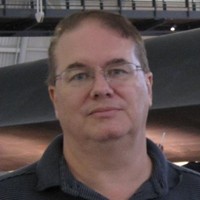
CEO, Alzheimer survivor
Mark Burnett is the founder of My Brain Restore™ and APDI, Inc., a company dedicated to advancing brain health and neurological support through innovative nutraceutical development. His work is rooted in a deeply personal journey after being diagnosed with Parkinson’s disease and early Alzheimer’s, which inspired him to explore science-backed, nature-based approaches to cognitive wellness.
Burnett created My Brain Restore™ as a next-generation supplement designed to support the brain’s natural maintenance systems and promote clarity, focus, and overall cognitive function. Drawing from emerging research in neurological health and glymphatic system science, his mission is to make brain support more accessible for individuals facing age-related cognitive challenges and neurological conditions.

