Beyond the Buttons: Building Real Tech Confidence for Seniors
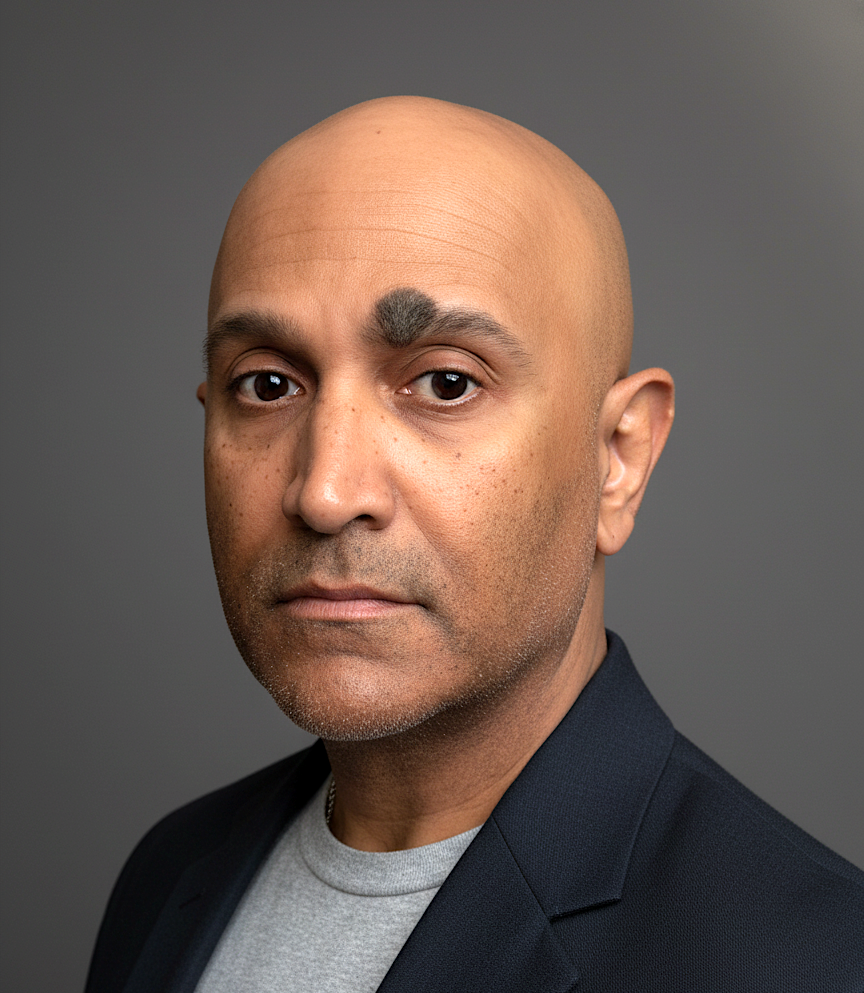
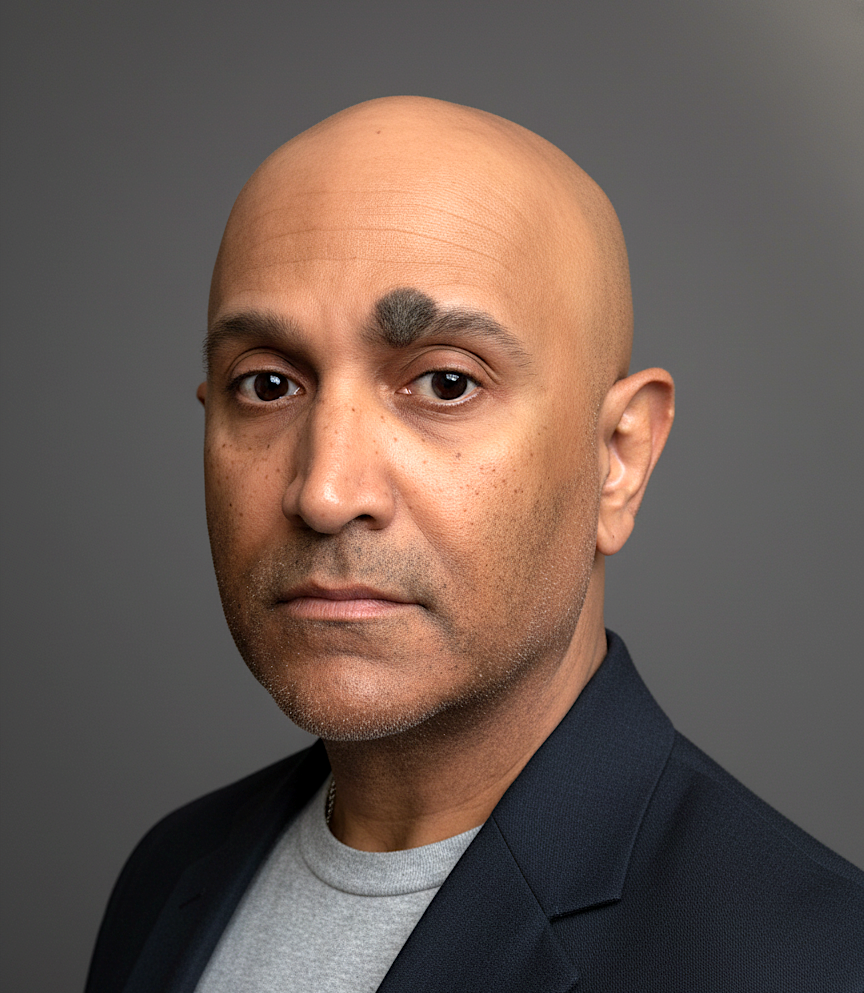
Welcome back to the blog, everyone! This week on the podcast, we had an incredibly insightful conversation with Michael Routhier, the brilliant mind behind Tech4GrownUps. We explored why so many adults, particularly those 55 and older, feel intimidated by technology, and more importantly, how we can start to dismantle those barriers. In our latest episode, "Michael Routhier - Why Adults Aren’t “Bad at Tech”—They’re Just Underserved," we delved deep into his unique philosophy. This blog post is an extension of that discussion, aiming to unpack his approach and illuminate why simply teaching someone which button to click is a disservice. We'll explore the deeper psychological and practical aspects of building genuine tech confidence, ensuring that no one is left behind in our increasingly digital world.
The Myth of Being 'Bad at Tech'
The phrase "I'm bad at technology" is one we've all heard, and perhaps even uttered ourselves. It’s a common lament, often delivered with a sigh of resignation, as if it’s an unchangeable characteristic, like eye color. But what if this is a fundamental misconception? Michael Routhier, our guest, argues vehemently against this notion. He posits that people aren't inherently "bad at tech"; they are, more often than not, underserved. This isn't about a lack of intelligence or a natural aptitude for gadgets. It's about the way technology has historically been presented, taught, and even marketed to different generations. For those who didn't grow up with smartphones in their pockets or the internet as a constant companion, the digital landscape can feel like a foreign country with an alien language and customs. The assumption that everyone will naturally grasp these new tools without explicit, empathetic, and tailored instruction is where the myth of being "bad at tech" takes root.
Think about it: when we learned to drive, we didn't just get handed the keys and told to "figure it out." We went through structured lessons, practiced in a safe environment, and received guidance from instructors. Why should technology be any different? The current paradigm often involves a steep learning curve with little to no scaffolding. Instruction often assumes a base level of understanding that simply doesn't exist for many older adults. They're shown a complex interface and expected to navigate it with ease, leading to frustration and the eventual self-labeling of being "bad at tech." This is a self-fulfilling prophecy that inhibits learning and perpetuates a sense of inadequacy. Michael's work aims to shatter this myth by reframing the learning experience and focusing on the learner, not just the technology itself.
Michael Routhier's Philosophy: Beyond Just Clicking Buttons
Michael Routhier's core philosophy, as we discussed on the podcast, is beautifully encapsulated by the phrase "beyond just clicking buttons." This is the antithesis of the superficial, task-oriented tech support that often leaves individuals feeling more confused than empowered. For Michael, true technological confidence isn't about memorizing a sequence of clicks for a specific task. It's about fostering a deep-seated understanding of how technology works, why it behaves the way it does, and how to approach new challenges with a sense of agency rather than dread.
This means shifting the focus from rote memorization to conceptual understanding. Instead of just showing someone how to send an email, Michael aims to explain the underlying principles of digital communication. Why does the internet exist? What is an email address? How do servers communicate? This foundational knowledge, presented in an accessible way, empowers individuals to troubleshoot, adapt, and even explore new technologies on their own. It’s about building transferable skills and a mindset of curiosity rather than a checklist of memorized actions. He emphasizes breaking down complex systems into digestible components, allowing learners to build their knowledge incrementally. This approach nurtures a sense of mastery and control, which are crucial for overcoming the anxiety often associated with technology.
Understanding the Mindset Barriers for Seniors
One of the most profound aspects of Michael's work is his keen understanding of the unique mindset barriers that often prevent seniors from embracing technology. These barriers are not inherent flaws; they are often the result of societal conditioning, past negative experiences, and the sheer pace of technological change. We can break these down into several key categories:
- Fear of Breaking Things: This is a pervasive fear. Many seniors have been conditioned to believe that interacting with technology, especially computers and smartphones, carries a significant risk of irreversible damage. This fear is often amplified by the fact that when something does go wrong, they may not have easy access to someone who can explain what happened and how to fix it, leading to a cycle of anxiety and avoidance.
- Information Overload: The sheer volume of information and options available in the digital world can be overwhelming. From countless apps to endless settings, the complexity can feel insurmountable. This is compounded by the fact that many modern interfaces are designed with younger, digitally native users in mind, often lacking clear explanations or intuitive navigation for those less familiar.
- Past Negative Experiences: Many seniors have had negative encounters with technology in the past. Perhaps they were patronized by a tech support person, or they struggled to complete a task that was presented as simple, leading to feelings of embarrassment and inadequacy. These past experiences can create a strong emotional aversion to engaging with technology.
- Perceived Lack of Relevance: While many seniors may not initially see the direct benefit of technology in their lives, this perception often stems from a lack of understanding of its potential applications. If they haven't been shown how technology can enhance communication with loved ones, provide access to information, facilitate hobbies, or simplify daily tasks, they may not be motivated to overcome the learning curve.
- Ageism and Self-Stereotyping: Unfortunately, societal ageism often perpetuates the idea that older adults are not capable of learning new technologies. This can lead to seniors internalizing these stereotypes and believing they are indeed "too old" or "not smart enough" to learn, creating a self-imposed limitation.
Michael's approach directly addresses these barriers by creating a safe, supportive, and patient learning environment. He acknowledges these fears and anxieties, validating the learner's experience, and then systematically works to dismantle them through understanding and practical application.
The Role of Stoic Principles in Tech Confidence
Perhaps one of the most unique and impactful elements of Michael Routhier's methodology is his integration of Stoic principles into tech education. This might sound like an unusual pairing – ancient philosophy and modern gadgets – but it's precisely this intersection that offers profound insights into building resilience and overcoming frustration in the face of technological challenges.
Stoicism, with its emphasis on virtue, reason, and accepting what we cannot control, provides a powerful framework for navigating the often unpredictable world of technology. Here's how these principles are applied:
- Focus on What You Can Control: In technology, it's easy to get bogged down by things we can't control – a software glitch, a slow internet connection, or an unexpected update. Stoicism teaches us to focus our energy on what is within our power: our own reaction, our effort to understand, and our willingness to try again. For a senior learning a new app, this means focusing on their own learning process and their determination to grasp the concept, rather than dwelling on a momentary frustration.
- Acceptance and Resilience: Technology is not perfect, and neither are we. Glitches happen, mistakes are made, and sometimes things just don't work as expected. Stoicism encourages acceptance of these imperfections. Instead of succumbing to anger or despair, the Stoic approach is to accept the reality of the situation and to view it as an opportunity to learn and grow. This fosters resilience, enabling learners to bounce back from setbacks without losing motivation.
- Patience and Incremental Progress: Stoicism values patience and understanding that significant achievements often come through small, consistent steps. This directly translates to tech learning. Michael advocates for breaking down complex tasks into manageable parts, celebrating small victories along the way. This patient, incremental approach prevents overwhelm and builds momentum.
- Virtue as the Goal: In Stoicism, virtue – such as wisdom, justice, courage, and temperance – is the ultimate good. In Michael's context, this translates to approaching technology with a virtuous mindset: with the wisdom to seek understanding, the courage to try new things, and the temperance to manage frustration. The goal isn't just to "use" technology, but to use it wisely and effectively.
By weaving these timeless principles into his teaching, Michael equips seniors with not only the practical skills to navigate the digital world but also the mental fortitude to do so with confidence and equanimity. It’s about building a robust internal operating system for dealing with external technological complexities.
Practical Applications: How Tech4GrownUps Empowers Learners
Michael Routhier’s Tech4GrownUps isn't just about philosophy; it's about tangible, practical empowerment. His methods are designed to be accessible, encouraging, and, most importantly, effective. The aim is to move learners from a state of apprehension to one of active engagement and confidence.
One of the cornerstones of Tech4GrownUps is its focus on foundational understanding. Instead of just teaching the "how," Michael prioritizes the "why." This might involve explaining, in simple terms, what the internet is, how email works, or the basic functions of a smartphone’s operating system. This builds a mental model for learners, allowing them to connect new information to existing knowledge and to apply learned concepts to different situations. For example, understanding the concept of a "digital file" can help someone grasp how to save documents, organize photos, and even understand the basics of cybersecurity.
Furthermore, Michael champions a hands-on, learn-by-doing approach within a supportive environment. This means providing opportunities for learners to practice skills in a low-stakes setting, with plenty of encouragement and patient guidance. This could manifest in various ways:
- Gradual Introduction of Complexity: Tasks are broken down into small, manageable steps. Learners aren't expected to master complex software in a single session. Instead, they build skills incrementally, solidifying their understanding at each stage before moving on.
- Real-World Relevance: The skills taught are directly applicable to the learner's life. This could include learning how to video call grandchildren, order groceries online, manage appointments, or access reliable news and information. By demonstrating the immediate benefits, motivation is significantly increased.
- Personalized Support: Michael recognizes that everyone learns at their own pace and has different needs. Whether through one-on-one sessions, small group workshops, or accessible online content, he ensures that learners receive the individual attention they require.
- Focus on Troubleshooting as Learning: Instead of viewing errors as failures, they are reframed as learning opportunities. Michael guides learners through the process of identifying problems, understanding their causes, and finding solutions. This builds critical thinking skills and fosters independence.
- Encouraging Exploration: Once a foundational level of confidence is achieved, learners are encouraged to explore and experiment with new features and technologies. This fosters a sense of curiosity and promotes lifelong learning in the digital realm.
Through these practical applications, Tech4GrownUps is not just teaching people how to use technology; it's teaching them how to be confident and capable digital citizens.
Bridging the Digital Divide: A Mission for Inclusivity
The digital divide is a stark reality, and it’s not solely about access to devices or the internet. It’s also about the skills and confidence needed to effectively utilize these tools. Michael Routhier's mission with Tech4GrownUps is fundamentally about bridging this divide, particularly for the senior population. He sees technological literacy as an essential component of modern life, akin to basic reading and writing. To be excluded from the digital world in today's society is to be at a significant disadvantage.
This mission is driven by a deep sense of inclusivity. Michael firmly believes that age should not be a barrier to participating in the digital age. He challenges the notion that certain technologies are only for younger generations. The internet, smartphones, and digital communication tools offer immense benefits to people of all ages, from staying connected with loved ones and accessing vital information to engaging in hobbies and managing personal affairs. By providing accessible and empathetic education, Tech4GrownUps aims to ensure that seniors are not left behind.
The impact of bridging this divide extends far beyond individual convenience. It has profound implications for:
- Social Connection: In an era where families are often geographically dispersed, technology is a vital tool for maintaining relationships. Enabling seniors to connect with their children and grandchildren through video calls, social media, and messaging apps combats loneliness and fosters stronger family bonds.
- Access to Information and Services: Many essential services, from banking and healthcare to government information and shopping, are increasingly moving online. Digital literacy allows seniors to access these services independently, maintaining their autonomy and improving their quality of life.
- Civic Engagement: The internet is a powerful platform for news, information, and civic participation. By becoming digitally literate, seniors can stay informed about current events, engage in discussions, and make their voices heard.
- Lifelong Learning and Personal Growth: The digital world offers a wealth of opportunities for learning new skills, exploring interests, and pursuing passions. Technology can be a gateway to new hobbies, online courses, and intellectual stimulation, contributing to overall well-being.
Michael's work is a testament to the idea that with the right approach, the digital divide can be narrowed, creating a more equitable and connected society for everyone.
The Intersection of Aging, Technology, and Lifelong Learning
The conversation around aging is evolving, and so too must our understanding of how technology intersects with this stage of life. Far from being a period of decline, aging is increasingly recognized as a time for continued growth, engagement, and learning. Michael Routhier's work sits precisely at this dynamic intersection. He challenges the pervasive notion that learning new, complex skills, like those associated with technology, is something that stops in adulthood.
Lifelong learning, particularly in the context of technology, is crucial for several reasons. Firstly, it combats cognitive decline. Engaging the brain with new challenges, like learning a new app or understanding a new digital concept, keeps the mind sharp and agile. This mental stimulation is a key component of healthy aging. Secondly, it promotes independence and self-sufficiency. As more services and information migrate online, the ability to navigate these digital spaces is directly linked to an individual’s capacity to manage their own affairs and maintain their autonomy. When seniors can independently manage their finances, book appointments, or connect with friends online, they retain a greater sense of control over their lives.
Moreover, technology can significantly enhance the quality of life for older adults. It can facilitate access to telehealth services, simplifying healthcare management. It can enable engagement with communities of interest, reducing isolation. It can provide access to entertainment and cultural experiences that might otherwise be inaccessible. Michael's approach recognizes that learning technology for seniors isn't just about acquiring a skill; it's about unlocking a richer, more connected, and more empowered life.
His philosophy underscores that the capacity for learning is not finite. It is a continuous journey. By demystifying technology and presenting it in an accessible, encouraging, and philosophically grounded manner, Michael is not just teaching button-clicking; he is fostering a mindset of continuous adaptation and growth, which is the very essence of lifelong learning in the modern age.
Conclusion: Building a Digitally Confident Future for Everyone
Our conversation with Michael Routhier on the podcast this week, "Michael Routhier - Why Adults Aren’t “Bad at Tech”—They’re Just Underserved," was a powerful reminder that technology is a tool, and like any tool, its effectiveness hinges on our understanding and confidence in using it. As we've explored in this blog post, Michael's philosophy of teaching goes far beyond the superficial. By focusing on mindset, addressing underlying fears, and leveraging timeless principles like those found in Stoicism, he is creating a pathway for seniors to not just use technology, but to master it with genuine confidence.
The myth of being "bad at tech" is just that – a myth, perpetuated by an educational system that often fails to cater to the unique needs and learning styles of older adults. Michael's work at Tech4GrownUps is a beacon of hope, demonstrating that with patience, empathy, and a focus on foundational understanding, anyone can become digitally confident. This isn't just about closing the digital divide; it's about ensuring that our aging population remains connected, empowered, and active participants in our increasingly digital world. The implications for social connection, independence, and lifelong learning are profound. By embracing Michael's approach, we can collectively work towards a future where technology is a bridge, not a barrier, for everyone.

The Legacy of Dr. Peter Cotton: Beyond the Endoscope