Beyond the Surface: Why Integrative Esthetics is the Future
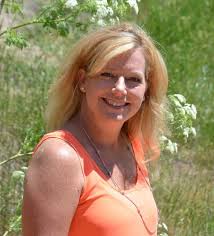
In the ever-evolving world of skincare, we often find ourselves bombarded with the latest products and trendy treatments promising miraculous results. However, traditional esthetics often focuses solely on the superficial, neglecting the underlying causes of skin issues. In this blog post, we'll delve into the limitations of this approach and explore the exciting rise of integrative esthetics – a holistic method that bridges the gap between science and soul. We'll introduce you to Cindy Tusa, a pioneer in this field, and her groundbreaking Integrative Esthetician program, designed to address skin health at its root. We encourage you to check out our latest podcast episode, "Cindy Tusa- Entrepreneur, licensed esthetician, wellness advocate" where we delve deeper into these topics. Cindy shares invaluable insights on transitioning from mainstream esthetics, the crucial role of critical thinking, and the profound connection between internal balance and skin conditions, all explored in more detail in this post.
Introduction: The Limitations of Traditional Esthetics
For decades, the field of esthetics has primarily concentrated on topical treatments and procedures aimed at improving the skin's appearance. Facials, peels, microdermabrasion, and a plethora of creams and serums have been the mainstays of traditional esthetic practices. While these methods can certainly offer temporary improvements and address specific concerns like fine lines or blemishes, they often fall short when it comes to resolving chronic or complex skin conditions. The limitations of traditional esthetics stem from its narrow focus on the epidermis – the outermost layer of the skin – without considering the intricate interplay between the skin and the rest of the body.
Traditional approaches often treat symptoms rather than addressing the root causes of skin issues. For example, acne might be treated with harsh chemicals that dry out the skin, but the underlying hormonal imbalances, gut dysbiosis, or inflammatory factors contributing to the condition are ignored. Similarly, eczema might be managed with topical corticosteroids, which suppress the immune system and provide temporary relief, but the underlying immune dysregulation and environmental triggers are not addressed. This superficial approach can lead to a cycle of temporary fixes and recurring problems, leaving clients frustrated and seeking more comprehensive solutions.
Furthermore, traditional esthetics often overlooks the impact of lifestyle factors, such as diet, stress, sleep, and environmental exposures, on skin health. These factors can significantly influence the skin's ability to function optimally and maintain a healthy appearance. Without addressing these underlying influences, even the most advanced topical treatments may not be effective in the long term.
The Rise of Integrative Esthetics: A Holistic Approach
Integrative esthetics represents a paradigm shift in the way we approach skin health and beauty. This holistic approach recognizes that the skin is not an isolated organ but an integral part of a complex interconnected system. Integrative esthetics considers the physical, mental, and emotional well-being of the individual as essential factors influencing skin health. It emphasizes the importance of identifying and addressing the root causes of skin issues, rather than simply masking the symptoms.
Integrative estheticians utilize a wide range of modalities and techniques to promote skin health from the inside out. These may include nutritional counseling, stress management techniques, herbal remedies, acupuncture, and energy healing, in addition to traditional esthetic treatments. By addressing the underlying imbalances and supporting the body's natural healing mechanisms, integrative esthetics aims to achieve lasting results and improve overall well-being.
One of the key principles of integrative esthetics is the concept of "bio-individuality," which recognizes that each person is unique and requires a personalized approach to skincare. Integrative estheticians take the time to thoroughly assess each client's individual needs, considering their medical history, lifestyle factors, and emotional state. This comprehensive assessment allows them to develop customized treatment plans that address the specific root causes of their skin issues.
Meet Cindy Tusa: Bridging Science and Soul in Skincare
Cindy Tusa is a leading figure in the field of integrative esthetics and the visionary behind The Integrative Esthetician program. With a background in nursing and years of experience in the skincare industry, Cindy recognized the limitations of traditional esthetics and the growing need for a more holistic approach. Her unique perspective, combining scientific knowledge with a deep understanding of the mind-body connection, has made her a sought-after educator and mentor in the esthetics community.
Cindy's Integrative Esthetician program is designed to empower estheticians to think critically, address the root causes of skin issues, and provide truly transformative results for their clients. The program integrates advanced skincare techniques with principles of functional medicine, neuroscience, and energy awareness. Cindy's teaching style is known for its blend of scientific rigor, practical application, and compassionate guidance, helping estheticians develop both their technical skills and their intuitive abilities.
Cindy emphasizes the importance of understanding the underlying physiology of the skin and how it interacts with the rest of the body. She teaches her students to assess clients holistically, considering factors such as inflammation, nutrient deficiencies, gut health, and mitochondrial function. By addressing these underlying imbalances, estheticians can help their clients achieve lasting improvements in their skin health and overall well-being. Cindy also encourages her students to explore the role of subconscious beliefs and emotional wounds in skin conditions, recognizing that these factors can significantly impact the body's ability to heal.
Key Principles of The Integrative Esthetician Program
The Integrative Esthetician program is built upon several key principles that set it apart from traditional esthetics education. These principles include:
- Holistic Assessment: The program emphasizes the importance of conducting thorough client assessments that consider not only the skin's appearance but also the client's medical history, lifestyle factors, emotional state, and subconscious beliefs.
- Root Cause Analysis: Students learn to identify and address the underlying causes of skin issues, rather than simply treating the symptoms. This involves understanding the interplay between the skin and the rest of the body, as well as the impact of lifestyle factors and emotional well-being.
- Functional Medicine Principles: The program integrates principles of functional medicine, such as addressing inflammation, nutrient deficiencies, gut dysbiosis, and mitochondrial dysfunction, to support optimal skin health from the inside out.
- Neuroscience and the Mind-Body Connection: Students explore the role of the nervous system, brain function, and subconscious beliefs in skin conditions. They learn techniques to help clients manage stress, release emotional wounds, and cultivate a positive mindset.
- Energy Awareness: The program introduces students to the concept of energy awareness and how it can be used to enhance healing and promote overall well-being. This may include techniques such as energy healing, chakra balancing, and intuitive guidance.
- Ethical Practice: Cindy places a strong emphasis on ethical practice, ensuring that estheticians are providing safe, effective, and responsible care to their clients. This includes obtaining informed consent, respecting client boundaries, and maintaining professional integrity.
Why Skin Issues Are More Than Skin Deep
Skin issues are often a reflection of deeper imbalances within the body. The skin is our largest organ and serves as a barrier against the outside world. It also plays a vital role in detoxification, immune function, and hormone regulation. When the body is under stress or experiencing imbalances, these can manifest as various skin conditions, such as acne, eczema, rosacea, psoriasis, and premature aging.
For example, chronic inflammation, often triggered by poor diet, stress, or environmental toxins, can damage skin cells and impair their ability to function properly. Nutrient deficiencies, such as a lack of essential fatty acids, vitamins, or minerals, can weaken the skin's barrier function and make it more susceptible to irritation and infection. Gut dysbiosis, an imbalance of bacteria in the gut, can disrupt the immune system and trigger inflammatory responses in the skin.
Furthermore, hormonal imbalances, often caused by stress, poor diet, or environmental exposures, can contribute to skin issues like acne, melasma, and hair loss. The skin also plays a role in detoxification, eliminating waste products and toxins through sweat and sebum. When the body's detoxification pathways are overburdened, these toxins can accumulate in the skin, leading to inflammation and other skin problems.
Understanding the interconnectedness of the skin and the rest of the body is essential for effectively addressing skin issues. By identifying and addressing the underlying imbalances, we can support the skin's natural healing mechanisms and achieve lasting improvements in its health and appearance.
The Four Root Causes of Skin Dysfunction
Cindy Tusa identifies four key root causes of skin dysfunction that integrative estheticians should be aware of. These include:
- Inflammation: Chronic inflammation is a major contributor to a wide range of skin conditions, including acne, eczema, rosacea, and premature aging. Inflammation can be triggered by a variety of factors, such as poor diet, stress, environmental toxins, and autoimmune disorders.
- Nutrient Deficiencies: The skin requires a variety of nutrients to function optimally, including essential fatty acids, vitamins, minerals, and antioxidants. Nutrient deficiencies can weaken the skin's barrier function, impair its ability to heal, and make it more susceptible to irritation and infection.
- Gut Dysbiosis: The gut microbiome plays a crucial role in immune function, inflammation regulation, and nutrient absorption. Gut dysbiosis, an imbalance of bacteria in the gut, can disrupt these processes and contribute to skin issues like acne, eczema, and psoriasis.
- Mitochondrial Dysfunction: Mitochondria are the powerhouses of our cells, responsible for producing energy. Mitochondrial dysfunction can impair the skin's ability to repair itself, protect against damage, and maintain a healthy appearance.
By addressing these four root causes, integrative estheticians can help their clients achieve lasting improvements in their skin health and overall well-being.
The Role of Subconscious Beliefs and Emotional Wounds
Our subconscious beliefs and emotional wounds can significantly impact our physical health, including our skin. Traumatic experiences, negative self-talk, and limiting beliefs can create energetic blocks and imbalances that manifest as physical symptoms. The skin, as our largest organ, is particularly sensitive to these energetic influences.
For example, someone who has experienced childhood trauma may develop chronic skin conditions like eczema or psoriasis. These conditions can be seen as a physical manifestation of their emotional pain and unresolved trauma. Similarly, someone who has low self-esteem and constantly criticizes their appearance may develop acne or premature aging. Their negative self-talk can create stress and inflammation in the body, which can negatively impact skin health.
Integrative estheticians recognize the importance of addressing these subconscious beliefs and emotional wounds to promote healing and improve skin health. They may use techniques such as mindfulness meditation, energy healing, or emotional release techniques to help clients process their emotions and release limiting beliefs.
Exploring Quantum Biology and Skin Health
Quantum biology is an emerging field that explores the role of quantum mechanics in biological processes. It suggests that our bodies are not simply collections of molecules but are also influenced by subtle energy fields and quantum phenomena. These energy fields can affect our cells' function and communication, influencing our overall health and well-being, including our skin health.
For example, research has shown that light and electromagnetic fields can affect cellular processes, such as DNA repair and energy production. These findings suggest that exposure to certain types of light and electromagnetic fields may have therapeutic benefits for the skin. Quantum biology also explores the concept of entanglement, which suggests that two particles can be connected even when separated by vast distances. This concept may explain how our thoughts and emotions can influence our physical health, including our skin.
While quantum biology is still a relatively new field, it holds great promise for understanding the complex interplay between energy, consciousness, and physical health. Integrative estheticians are beginning to explore the potential applications of quantum biology in skincare, using techniques such as light therapy, energy healing, and mindfulness practices to promote skin health at a deeper level.
Preventing Burnout in Personal Care Providers
Personal care providers, such as estheticians, nurses, massage therapists, and hairstylists, are at high risk of burnout due to the demanding nature of their work. They often work long hours, deal with stressful situations, and provide emotional support to their clients. This can lead to physical and emotional exhaustion, decreased job satisfaction, and even health problems.
Cindy Tusa emphasizes the importance of self-care and boundary setting for personal care providers to prevent burnout. She encourages estheticians to prioritize their own well-being by getting enough sleep, eating a healthy diet, exercising regularly, and practicing stress management techniques. She also emphasizes the importance of setting clear boundaries with clients, such as limiting appointment times, avoiding taking work home, and learning to say no to requests that are outside their scope of practice.
Furthermore, Cindy encourages estheticians to cultivate a strong support system, connecting with colleagues, mentors, or therapists who can provide guidance and support. By prioritizing self-care and setting healthy boundaries, personal care providers can maintain their physical and emotional well-being and prevent burnout.
The Importance of Ethics in Esthetics Education
Ethics plays a vital role in the field of esthetics, ensuring that estheticians provide safe, effective, and responsible care to their clients. Ethical esthetics involves adhering to a code of conduct that promotes integrity, respect, and professionalism. This includes obtaining informed consent from clients, respecting their privacy and confidentiality, and providing honest and accurate information about treatments and products.
Cindy Tusa emphasizes the importance of ethical considerations in her Integrative Esthetician program. She teaches her students to prioritize their clients' well-being above all else, avoiding treatments or products that could be harmful or ineffective. She also encourages estheticians to be transparent about their qualifications and limitations, referring clients to other healthcare professionals when necessary.
Furthermore, Cindy emphasizes the importance of ongoing education and professional development, ensuring that estheticians stay up-to-date on the latest research and best practices in the field. By adhering to ethical principles and maintaining a commitment to professional growth, estheticians can build trust with their clients and provide the highest quality of care.
Conclusion: The Future of Esthetics is Integrative
Integrative esthetics represents a significant advancement in the field of skincare, offering a more holistic and effective approach to addressing skin issues. By considering the interconnectedness of the skin and the rest of the body, as well as the impact of lifestyle factors, emotional well-being, and subconscious beliefs, integrative esthetics can help clients achieve lasting improvements in their skin health and overall well-being. Cindy Tusa's Integrative Esthetician program is at the forefront of this movement, empowering estheticians to think critically, address the root causes of skin issues, and provide truly transformative results for their clients. The future of esthetics is undoubtedly integrative, offering a more comprehensive and compassionate approach to skincare that goes beyond the surface. Be sure to listen to our episode, "Cindy Tusa- Entrepreneur, licensed esthetician, wellness advocate" for more valuable insights from Cindy, where we further explore the future of esthetics and the importance of a holistic approach.

Lessons from the FLETC: What Top Graduates Teach Us About Excellence





