Phil Nobre's Journey to Executive Management: Key Takeaways

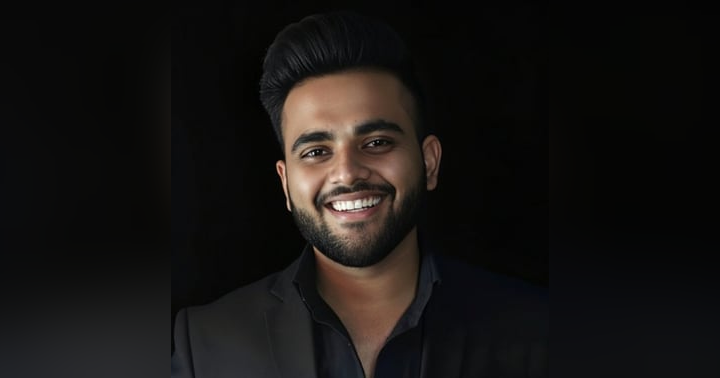
Welcome to the blog companion for the latest episode of our podcast, where we had the distinct pleasure of speaking with Phil Nobre, a seasoned business professional in executive management. In this post, we'll delve deeper into the fascinating journey that shaped his career, highlighting the pivotal moments, challenges overcome, and invaluable lessons learned along the way. Consider this your expanded show notes, providing additional context and insights gleaned from our conversation. You can listen to the full episode with Phil here. Get ready to explore Phil's ascent to executive management and discover key takeaways for your own leadership journey.
Early Career and Foundational Experiences
Phil Nobre's career trajectory didn't begin in the executive suite. Like many successful leaders, he started at the ground level, gaining invaluable experience in various roles that laid the foundation for his future success. These early experiences were critical in shaping his understanding of different business functions and the importance of teamwork. Phil emphasized that understanding the day-to-day realities of different roles within an organization is crucial for effective leadership.
He often speaks of the value of "getting your hands dirty" in those early roles. This hands-on experience provided him with a deep understanding of the operational challenges faced by employees at all levels. It also fostered a sense of empathy and respect for the contributions of each team member, which has been a consistent theme throughout his career.
One of the key aspects of Phil's early career was his willingness to take on new challenges and embrace opportunities for growth. He actively sought out roles that pushed him outside of his comfort zone, whether it was leading a cross-functional team or managing a complex project. This proactive approach to career development allowed him to develop a diverse skill set and gain a breadth of experience that set him apart from his peers.
Furthermore, Phil highlighted the importance of building strong relationships early on. He emphasized that networking and cultivating connections with colleagues and mentors can provide invaluable support and guidance throughout one's career. These relationships not only offer opportunities for learning and development but also create a strong support system that can help navigate challenges and overcome obstacles.
Phil also noted that his early experiences taught him the importance of adaptability. The business landscape is constantly evolving, and it is crucial for aspiring leaders to be able to adapt to changing circumstances and embrace new technologies. He emphasized that a willingness to learn and adapt is essential for staying ahead of the curve and achieving long-term success.
Pivotal Moments and Career-Defining Decisions
Every successful career is marked by pivotal moments and career-defining decisions that shape its trajectory. For Phil Nobre, these moments were often characterized by calculated risks, strategic choices, and a willingness to step outside of conventional paths. He identified several key turning points that significantly impacted his career progression.
One such moment was his decision to take on a leadership role in a struggling division of a company. While many would have shied away from such a challenge, Phil saw it as an opportunity to demonstrate his leadership skills and make a significant impact. He approached the situation with a clear vision, a strong sense of purpose, and a commitment to turning the division around. Through strategic planning, effective team building, and a focus on innovation, he was able to successfully revitalize the division and restore it to profitability.
Another pivotal moment was his decision to pursue further education and obtain an advanced degree. Phil recognized that continuous learning is essential for staying relevant in today's rapidly changing business environment. He chose a program that aligned with his career goals and provided him with the knowledge and skills necessary to excel in his field. This investment in his own development paid dividends throughout his career, as he was able to leverage his education to take on more complex and challenging roles.
Phil also emphasized the importance of being open to unexpected opportunities. He shared a story of how he was approached with a job offer in a completely different industry than he had previously worked in. While initially hesitant, he recognized the potential for growth and learning in this new environment and decided to take the leap. This decision proved to be a turning point in his career, as it exposed him to new perspectives, broadened his skill set, and opened doors to future opportunities.
Furthermore, Phil highlighted the importance of making difficult decisions with integrity. He emphasized that leaders are often faced with tough choices that have significant consequences for their teams and organizations. It is crucial to make these decisions based on sound principles, ethical considerations, and a commitment to doing what is right, even when it is not easy.
Challenges Faced and Lessons Learned
The path to executive management is rarely smooth, and Phil Nobre's journey was no exception. He encountered numerous challenges and setbacks along the way, but it was through these experiences that he learned some of his most valuable lessons. He openly shared his struggles and the insights he gained from overcoming adversity.
One of the biggest challenges Phil faced was navigating organizational politics and managing conflicting priorities. He emphasized the importance of building strong relationships with stakeholders across different departments and understanding their perspectives. By fostering open communication and collaboration, he was able to build consensus and navigate complex political landscapes effectively.
Another challenge Phil encountered was dealing with difficult employees and managing performance issues. He stressed the importance of providing clear expectations, constructive feedback, and opportunities for improvement. He also highlighted the need to address performance issues promptly and fairly, while always treating employees with respect and dignity.
Phil also spoke candidly about his own mistakes and failures. He acknowledged that everyone makes mistakes, but it is how we learn from those mistakes that ultimately determines our success. He emphasized the importance of taking ownership of our errors, admitting when we are wrong, and using those experiences as opportunities for growth and development.
One of the most important lessons Phil learned was the importance of resilience. He emphasized that setbacks are inevitable, but it is how we respond to those setbacks that ultimately defines us. He shared strategies for building resilience, such as maintaining a positive attitude, focusing on solutions rather than problems, and seeking support from mentors and colleagues.
Phil also highlighted the importance of maintaining a healthy work-life balance. He acknowledged that the demands of executive management can be overwhelming, but it is crucial to prioritize personal well-being and make time for family, friends, and hobbies. He emphasized that taking care of ourselves physically and mentally is essential for maintaining peak performance and avoiding burnout.
Strategic Thinking and Leadership Style
Phil Nobre's success in executive management can be attributed in part to his strategic thinking and leadership style. He is known for his ability to see the big picture, anticipate future trends, and develop innovative solutions to complex problems. He also possesses a leadership style that is both collaborative and empowering, inspiring his teams to achieve their full potential.
Phil described his approach to strategic thinking as a process of continuous learning, experimentation, and adaptation. He emphasized the importance of staying informed about industry trends, conducting market research, and analyzing data to identify opportunities and threats. He also highlighted the need to be flexible and willing to adjust strategies as circumstances change.
He also spoke about the importance of fostering a culture of innovation within his organization. He encouraged his teams to think outside the box, challenge the status quo, and experiment with new ideas. He also created a safe environment where employees felt comfortable taking risks and sharing their opinions, even if they differed from his own.
Phil described his leadership style as a blend of transformational and servant leadership. He is passionate about inspiring his teams to achieve a shared vision and empowering them to take ownership of their work. He also believes in serving his employees by providing them with the resources, support, and guidance they need to succeed.
He also emphasized the importance of effective communication. He believes that leaders must be able to clearly articulate their vision, communicate expectations, and provide regular feedback. He also stressed the need to listen actively to employees and understand their perspectives.
Phil also highlighted the importance of building trust within his teams. He believes that trust is the foundation of any successful relationship, both personal and professional. He emphasized the need to be honest, transparent, and consistent in our actions, and to always act with integrity.
Mentorship and Guidance Received
No one achieves success in a vacuum. Phil Nobre readily acknowledges the invaluable role that mentors and guides played in shaping his career. He emphasized the importance of seeking out individuals who can provide advice, support, and encouragement along the way.
Phil described how his mentors helped him navigate challenging situations, make difficult decisions, and develop his leadership skills. He also emphasized the importance of finding mentors who are not only experienced and knowledgeable but also willing to provide honest feedback and hold you accountable.
He also spoke about the importance of being a mentor to others. He believes that mentoring is a way to give back to the community and help develop the next generation of leaders. He also emphasized that mentoring is a mutually beneficial relationship, as mentors often learn as much from their mentees as they teach.
Phil also highlighted the importance of seeking guidance from a variety of sources, not just from formal mentors. He emphasized the value of networking with colleagues, attending industry events, and reading books and articles to learn from others' experiences.
He also stressed the importance of being open to feedback and willing to learn from our mistakes. He believes that continuous learning is essential for personal and professional growth, and that we should always be seeking opportunities to improve our skills and knowledge.
Phil also noted that the most effective mentors are those who challenge you to step outside of your comfort zone and push you to reach your full potential. These mentors provide constructive criticism and support you in taking calculated risks that lead to significant growth.
Advice for Aspiring Leaders
Drawing on his extensive experience in executive management, Phil Nobre offered valuable advice for aspiring leaders who are looking to advance their careers. His insights provide a roadmap for those seeking to develop the skills, knowledge, and qualities necessary to succeed in leadership roles.
Phil emphasized the importance of developing strong communication skills. He believes that leaders must be able to effectively communicate their vision, inspire their teams, and build consensus among stakeholders. He also stressed the need to be a good listener and to be able to adapt their communication style to different audiences.
He also advised aspiring leaders to develop their emotional intelligence. He believes that leaders must be able to understand and manage their own emotions, as well as the emotions of others. He also emphasized the importance of empathy, self-awareness, and social skills.
Phil also encouraged aspiring leaders to take risks and embrace challenges. He believes that leadership is not about avoiding problems but about solving them. He also emphasized the importance of being resilient and learning from our mistakes.
He also advised aspiring leaders to build strong relationships with their colleagues. He believes that teamwork and collaboration are essential for success. He also emphasized the importance of building trust and respect within their teams.
Phil also highlighted the importance of continuous learning and development. He believes that leaders must stay up-to-date on the latest trends and technologies, and that they should always be seeking opportunities to improve their skills and knowledge.
Ultimately, Phil's advice boils down to a commitment to personal and professional growth, a dedication to serving others, and a relentless pursuit of excellence.
The Importance of Continuous Learning and Adaptability
In today's rapidly changing business landscape, continuous learning and adaptability are no longer optional but essential for survival. Phil Nobre emphasized the importance of staying up-to-date on the latest trends, technologies, and best practices in order to remain competitive and effective as a leader.
Phil described how he stays current by reading industry publications, attending conferences, and participating in online courses and webinars. He also emphasized the importance of networking with colleagues and learning from their experiences.
He also spoke about the importance of being open to new ideas and perspectives. He believes that leaders must be willing to challenge their own assumptions and to consider alternative approaches. He also emphasized the importance of being adaptable and flexible in the face of change.
Phil also highlighted the importance of fostering a culture of learning within his organization. He encouraged his employees to pursue professional development opportunities and to share their knowledge with others. He also created a learning environment where employees felt comfortable taking risks and experimenting with new ideas.
He also stressed the importance of being lifelong learners. He believes that learning is a continuous process that never ends, and that we should always be seeking opportunities to expand our knowledge and skills.
Phil's perspective underscores the necessity of embracing change and viewing learning as an ongoing journey, not a destination.
Balancing Personal and Professional Life
Achieving a sustainable balance between personal and professional life is a challenge that many leaders face. Phil Nobre shared his strategies for maintaining a healthy work-life balance and avoiding burnout.
Phil emphasized the importance of setting clear boundaries between work and personal time. He encouraged leaders to establish specific hours for work and to avoid checking emails or taking calls outside of those hours. He also stressed the need to take regular breaks throughout the day to recharge and refocus.
He also spoke about the importance of prioritizing personal well-being. He encouraged leaders to make time for exercise, healthy eating, and relaxation. He also emphasized the importance of getting enough sleep and managing stress.
Phil also highlighted the importance of spending time with family and friends. He believes that strong relationships are essential for happiness and well-being. He also emphasized the importance of being present and engaged when spending time with loved ones.
He also advised leaders to delegate tasks and responsibilities to their teams. He believes that delegation is a key leadership skill that can help reduce workload and empower employees. He also emphasized the importance of trusting employees to do their jobs and providing them with the support they need to succeed.
Phil's insights highlight the importance of proactively managing your time and energy to ensure that you are able to perform at your best both personally and professionally.
Phil Nobre's Perspective on the Future of Leadership
Looking ahead, Phil Nobre shared his perspective on the future of leadership and the challenges and opportunities that lie ahead. He emphasized the need for leaders to be adaptable, innovative, and purpose-driven in order to succeed in the evolving business landscape.
Phil believes that the future of leadership will be characterized by greater emphasis on collaboration, diversity, and inclusion. He believes that leaders must be able to build strong relationships with people from diverse backgrounds and to create inclusive environments where everyone feels valued and respected.
He also believes that the future of leadership will be shaped by technology and automation. He believes that leaders must be able to leverage technology to improve efficiency, productivity, and decision-making. He also emphasized the importance of preparing the workforce for the future of work by providing training and development opportunities.
Phil also highlighted the importance of sustainability and social responsibility. He believes that leaders must be committed to creating businesses that are both profitable and sustainable, and that they must be responsible stewards of the environment.
He also emphasized the importance of ethical leadership. He believes that leaders must be committed to doing what is right, even when it is not easy. He also emphasized the importance of transparency, accountability, and integrity.
Phil's vision for the future of leadership is one that embraces change, prioritizes people, and strives for a more just and sustainable world.
Conclusion: Key Takeaways from Phil Nobre's Journey
Phil Nobre's journey to executive management is a testament to the power of hard work, strategic thinking, and a commitment to continuous learning. From his early career experiences to his pivotal moments and the challenges he overcame, Phil's story provides valuable insights and inspiration for aspiring leaders. His emphasis on building strong relationships, embracing adaptability, and maintaining a healthy work-life balance are essential lessons for anyone seeking to advance their career.
Key takeaways from Phil Nobre's journey include:
- The importance of foundational experiences in shaping leadership skills.
- The impact of pivotal moments and career-defining decisions.
- The value of resilience and learning from challenges.
- The significance of strategic thinking and a collaborative leadership style.
- The role of mentorship and guidance in career development.
- The necessity of continuous learning and adaptability.
- The importance of balancing personal and professional life.
We hope this blog post has provided you with a deeper understanding of Phil Nobre's journey and the key takeaways that can help you on your own leadership path. Don't forget to listen to the full episode, "Phil Nobre- business professional in executive management" on our podcast for even more insights. You can find the episode here. Thank you for joining us on this exploration of Phil's inspiring career!
Beyond Vanity Metrics: Measuring the Real ROI of Content