The Journey from Red Teamer to Founder: Michael Chamberland's Story
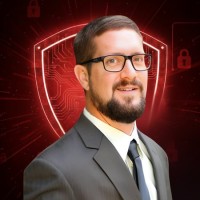
Welcome back to the blog, fellow cybersecurity enthusiasts! This week's podcast episode dives into a fascinating transformation, one that many in our field dream about but few actually achieve: the transition from a highly skilled offensive security practitioner to a burgeoning entrepreneur. In our latest episode, "From Red Team to Founder: Michael Chamberland on Real-World Cyber Risk," we sat down with Michael Chamberland, a seasoned veteran of the offensive security world, to discuss his journey. Today, we're going to expand on that conversation, delving deeper into the motivations, challenges, and invaluable lessons learned that shaped his path to founding IntegSec, a company poised to make a significant impact in the cybersecurity landscape.
Michael Chamberland's Early Career: Building Expertise in Offensive Security
Every successful founder has a foundational period where they hone their craft, and Michael's story is no different. His early career was steeped in the trenches of offensive security, a period characterized by intense learning, hands-on experience, and a deep understanding of attacker methodologies. Before the glitz and glamour of entrepreneurship, Michael was meticulously dissecting systems, identifying vulnerabilities, and simulating real-world threats. This wasn't just about finding bugs; it was about understanding the *why* behind attacks, the motivations of adversaries, and the cascading impact of a successful breach.
Working with established leaders in the cybersecurity space, such as IBM X-Force Red and Trustwave SpiderLabs, provided Michael with an unparalleled learning ground. These organizations are at the forefront of offensive security, constantly pushing the boundaries of what's possible in penetration testing, red team operations, and adversary simulation. Imagine being at the cutting edge, not just reacting to threats but actively hunting for them, developing novel exploit techniques, and advising some of the world's largest organizations on their most critical security weaknesses. This is the environment Michael thrived in.
His roles involved leading teams, strategizing complex penetration tests, and executing sophisticated red team engagements. These weren't the easily digestible, checklist-driven security audits that often fall short of depicting true cyber risk. Instead, Michael was orchestrating operations that mimicked nation-state actors or sophisticated criminal organizations. This meant understanding the entire attack chain, from initial reconnaissance and phishing campaigns to lateral movement, privilege escalation, and exfiltration of sensitive data. It required not only deep technical acumen but also a keen understanding of human psychology, social engineering, and the business context of the targets.
During this time, Michael developed a nuanced appreciation for the limitations of traditional security approaches. He saw firsthand how compliance-driven security often created a false sense of security, leaving organizations vulnerable to threats that were far more advanced than their existing defenses were designed to handle. This growing awareness of a gap between theoretical security and practical, real-world risk assessment was a seed that would eventually blossom into his entrepreneurial endeavor.
The Genesis of IntegSec: Identifying a Gap in the Market
The transition from a highly respected practitioner to a founder is rarely a sudden leap. It's usually a gradual realization, fueled by observation and a growing conviction that there's a better way. For Michael, this realization crystallized around a critical need he identified within the market: the disconnect between what organizations *thought* they were doing for security and what they *actually* needed to do to defend against sophisticated adversaries. He saw too many companies investing heavily in security solutions and processes that, while compliant, were ultimately ineffective against real-world attacks.
The prevailing model often focused on point-in-time assessments, rigid compliance frameworks, and a lack of continuity in testing. This meant that by the time a penetration test was completed and a report was delivered, the threat landscape had already shifted, and the identified vulnerabilities might have been patched, or new ones had emerged. Michael recognized that security wasn't a destination; it was an ongoing journey, a continuous process of adaptation and improvement. The traditional, ad-hoc approach was like building a fortress and then leaving it unattended for years.
He observed that many security teams were struggling with the sheer volume of alerts and the complexity of modern IT environments. Cloud computing, microservices, APIs, and the proliferation of connected devices had created an attack surface that was constantly evolving and expanding. Static, perimeter-based security models were no longer sufficient. Organizations needed a more dynamic, intelligent, and proactive approach to understanding and mitigating their cyber risk. This is where Michael's extensive experience in adversarial simulation became invaluable. He understood how attackers *really* operated, not just how they were depicted in theoretical models.
The genesis of IntegSec was born from this deep understanding of the market's unmet needs. Michael envisioned a company that wouldn't just find vulnerabilities but would help organizations understand their *real-world cyber risk*. This meant going beyond a simple list of technical flaws and providing actionable insights that aligned with business objectives and the actual threat actors targeting them. He wanted to create a service that was more integrated, more continuous, and more focused on remediation and long-term risk reduction, rather than just ticking compliance boxes.
Core Services and Philosophy of IntegSec
IntegSec, as Michael envisioned it, is built on a foundation of practical, threat-driven cybersecurity. The company's core philosophy revolves around simulating real-world attack scenarios to provide organizations with a clear and actionable understanding of their security posture. This isn't about generic vulnerability scanning; it's about emulating the tactics, techniques, and procedures (TTPs) of modern threat actors.
The services offered by IntegSec reflect this philosophy. Penetration Testing is a cornerstone, but it's conducted with a keen eye for how an attacker would actually chain exploits together to achieve a meaningful objective. This moves beyond isolated vulnerability findings to a more holistic assessment of system weaknesses. Pentest as a Service (PTaaS) is a key offering, addressing the need for continuous testing and immediate feedback. This model ensures that organizations can get timely insights into their security posture, allowing them to address vulnerabilities before they are exploited.
Adversary Simulation and Red Team Operations are where IntegSec truly shines. These engagements are designed to mimic the behavior of specific threat actors or generic advanced persistent threats (APTs). This involves extensive reconnaissance, social engineering, exploitation of vulnerabilities across networks, applications, cloud environments, and APIs, and the ability to maintain persistence within a target environment. The goal is to answer the critical question: "Can a real attacker achieve their objectives within our organization?"
A significant differentiator for IntegSec is its emphasis on continuous testing models. Michael understands that security is not a static state. Threat actors are constantly evolving their methods, and organizations' infrastructure is also in constant flux. By advocating for continuous testing, IntegSec ensures that clients are always aware of their current risk landscape and can adapt their defenses accordingly. This proactive approach contrasts sharply with the traditional, often infrequent, point-in-time assessments.
Furthermore, IntegSec places a strong emphasis on detailed technical reporting. This isn't just about listing vulnerabilities; it's about providing clear, concise, and actionable intelligence. Reports are designed to be understood not only by technical security teams but also by management, enabling informed decision-making regarding risk mitigation and security investments. The focus is always on remediation-focused engagement, ensuring that identified weaknesses are addressed effectively. This commitment to helping clients improve their security posture, rather than just identifying problems, is a hallmark of IntegSec's approach.
Challenges and Triumphs in Founding a Cybersecurity Company
The path from a seasoned professional to a startup founder is paved with both exhilarating triumphs and formidable challenges. Michael's journey to establish IntegSec is a testament to this reality. One of the most significant hurdles is the shift in mindset required. As a practitioner, the focus is on technical execution and problem-solving within a given scope. As a founder, the responsibilities expand exponentially to encompass business strategy, sales, marketing, finance, human resources, and operational scaling. This requires a constant learning curve and a willingness to step outside of one's comfort zone.
Building a team is another critical challenge. Attracting and retaining top talent in the highly competitive cybersecurity field is no easy feat. Michael's vision for IntegSec, however, is a powerful magnet for skilled professionals who are passionate about offensive security and seek an environment that values innovation and real-world impact. His experience in leading high-performing teams at previous organizations undoubtedly provided him with the insights needed to cultivate a similar culture at IntegSec.
Securing funding and managing cash flow are perennial concerns for any startup. The cybersecurity industry, while growing, is also subject to economic fluctuations and shifting market demands. Michael's deep understanding of the market's needs and his company's unique value proposition are crucial in navigating these financial waters and demonstrating a clear return on investment for potential investors. The ability to articulate the tangible benefits of advanced offensive security services in terms of reduced risk and protected assets is paramount.
Despite these challenges, the triumphs are equally significant. The ability to build a company from the ground up, based on a vision born from years of experience, is incredibly rewarding. The early successes of IntegSec, the positive feedback from clients, and the growing recognition of the company's specialized expertise represent tangible victories. Each successful engagement where IntegSec helps an organization significantly improve its security posture is a testament to Michael's foresight and the team's dedication.
The ultimate triumph lies in creating an organization that is not only commercially successful but also genuinely contributes to making the digital world a safer place. IntegSec's focus on real-world cyber risk assessment and its commitment to practical, threat-driven testing are enabling organizations to move beyond theoretical security and build resilience against the sophisticated threats they face today.
Lessons Learned: From Practitioner to Business Leader
Michael's transition from a leading red teamer to the founder of IntegSec has undoubtedly been a masterclass in continuous learning. The lessons he's absorbed are invaluable for anyone considering a similar path or simply looking to grow within the cybersecurity industry.
One of the most profound lessons is the critical importance of communication and empathy. As a practitioner, the primary audience might be other technical individuals. As a business leader, the audience expands to include clients from diverse backgrounds, investors, and employees. Michael has had to develop the ability to translate highly technical concepts into clear, business-relevant language, demonstrating the strategic value of cybersecurity initiatives. This involves understanding the business objectives of clients and aligning security recommendations with those goals.
Another significant learning is the shift from being a specialist to a generalist, at least in the initial stages of a startup. While Michael's expertise in offensive security is the bedrock of IntegSec, he's had to gain a foundational understanding of many other business disciplines. This includes sales cycles, marketing strategies, financial management, legal considerations, and HR policies. The ability to wear multiple hats and delegate effectively as the team grows is a crucial skill set for any founder.
The concept of risk tolerance has also taken on new dimensions. As a red teamer, the goal is often to find *all* the vulnerabilities. As a business leader, it's about helping clients understand their acceptable levels of risk and making strategic decisions about where to invest resources for maximum impact. This involves a more nuanced approach to risk management, acknowledging that complete elimination of risk is often not feasible or cost-effective.
Furthermore, Michael has learned the power of building a strong culture. At IntegSec, he's not just building a service; he's cultivating a team of passionate, ethical, and skilled professionals. This involves fostering an environment of continuous learning, collaboration, and a shared commitment to the company's mission. The success of any cybersecurity company, especially one focused on advanced offensive techniques, relies heavily on the integrity and expertise of its people.
Finally, a key takeaway is the importance of staying true to your core values and mission. The allure of quick wins or shortcuts can be tempting in the business world. However, Michael's dedication to providing genuine, real-world cyber risk assessments stems from his deep-seated belief in the importance of practical security. Maintaining this focus, even amidst the complexities of building a business, is what will ultimately define IntegSec's long-term success and impact.
The Future of IntegSec and Michael's Vision
Looking ahead, Michael Chamberland has a clear and ambitious vision for IntegSec. The company is not content with simply being another player in the cybersecurity market; it aims to redefine how organizations approach offensive security and risk management. The foundation has been laid with a strong emphasis on practical, threat-driven testing, and the future promises further innovation and expansion.
One of the key areas of focus for IntegSec's future is the continued development of its continuous testing methodologies. As the threat landscape evolves at an unprecedented pace, the need for ongoing assessment and adaptation will only intensify. IntegSec is poised to lead in this area, providing organizations with the intelligence and agility they need to stay ahead of adversaries. This might involve leveraging automation, developing more sophisticated simulation platforms, and providing clients with real-time dashboards and threat intelligence feeds.
The company also plans to expand its service offerings to address emerging technologies and evolving attack vectors. As organizations adopt new cloud architectures, implement cutting-edge AI solutions, and build out complex API ecosystems, the attack surface continues to broaden. IntegSec aims to be at the forefront of assessing the security of these new frontiers, ensuring that innovation doesn't come at the expense of robust security.
Michael's vision extends beyond just technical services. He is committed to fostering a deeper understanding of cyber risk within organizations. This involves not only providing technical assessments but also acting as strategic partners, helping clients develop a mature security program that is integrated with their business objectives. The goal is to empower organizations to make informed decisions about risk, allocate resources effectively, and build a resilient security posture that can withstand the challenges of the modern threat environment.
Ultimately, Michael sees IntegSec becoming a trusted advisor for organizations seeking to move beyond compliance and truly understand and mitigate their real-world cyber risk. The company's growth will be driven by its unwavering commitment to quality, its deep technical expertise, and its dedication to client success. The future for IntegSec is bright, fueled by a clear vision and the proven ability of its founder to translate complex threats into actionable security strategies.
Conclusion: The Value of Real-World Cyber Risk Assessment
Michael Chamberland's journey from a highly skilled red teamer to the founder of IntegSec is a compelling narrative of innovation, dedication, and a deep understanding of the evolving cybersecurity landscape. As we discussed in our latest episode, "From Red Team to Founder: Michael Chamberland on Real-World Cyber Risk," his transition is more than just a career change; it's a strategic response to a critical need in the market. By identifying the gap between theoretical security and the harsh realities of sophisticated cyber threats, Michael has built IntegSec on the principle of providing actionable, threat-driven insights that empower organizations to truly understand and mitigate their real-world cyber risk.
The lessons learned throughout his career, from the intricate details of offensive security operations to the broader responsibilities of business leadership, have culminated in a company poised to make a significant impact. IntegSec's commitment to continuous testing, detailed reporting, and remediation-focused engagements offers a much-needed alternative to traditional, often insufficient, security assessments. His story serves as an inspiration and a valuable case study for anyone in the cybersecurity field, highlighting the power of expertise, vision, and a relentless pursuit of practical, impactful solutions. We encourage you to listen to the full episode to gain even deeper insights into Michael's remarkable journey.

Lessons from the FLETC: What Top Graduates Teach Us About Excellence