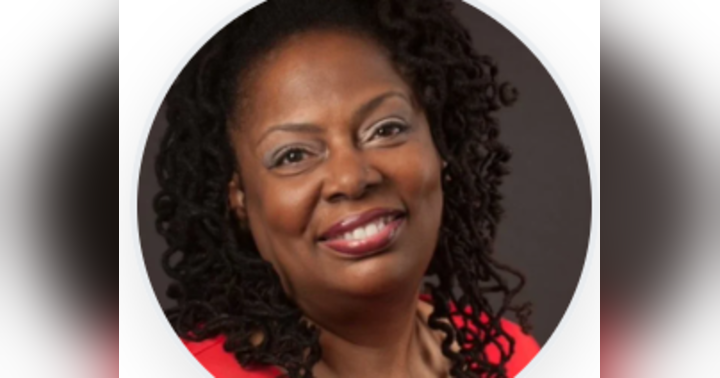
The Power of Person-Centered Therapy in Speech Pathology
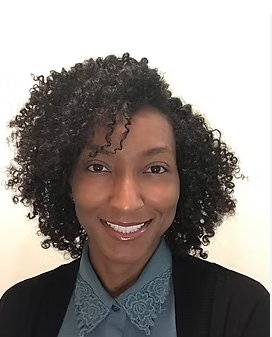
Welcome back to the podcast blog! In our latest episode, we had the immense privilege of speaking with Ebony Turner-Bailey, the brilliant founder of Prime Speech Solutions. Ebony's passion for empowering individuals through communication shines through in every aspect of her work, and today, we're going to dive deeper into one of the core principles that guides her practice: person-centered therapy. If you haven't had a chance to listen to the episode yet, I highly encourage you to do so. You can find it right here. This blog post will explore the essence of person-centered therapy as articulated by Ebony, its practical application in speech pathology, and why it's absolutely essential for achieving meaningful and lasting outcomes for our clients, especially those with diverse communication needs. Let's explore how truly centering the individual can transform the therapeutic journey.
Introduction to Person-Centered Therapy in Speech Pathology
In the realm of healthcare and therapeutic interventions, the term "person-centered" is frequently used. But what does it truly mean, especially when applied to the intricate and often deeply personal field of speech pathology? At its heart, person-centered therapy is a therapeutic approach that places the individual receiving services at the very core of the intervention process. It's a philosophy that acknowledges and respects the client's autonomy, their unique experiences, their values, and their goals. It moves away from a purely diagnostic or deficit-based model, where the therapist dictates the path forward, and instead embraces a collaborative partnership. In speech pathology, this means understanding that a communication disorder doesn't define a person. It means recognizing that each client brings a rich tapestry of life experiences, strengths, and aspirations that must inform and shape the therapy they receive.
The traditional model of therapy, while often well-intentioned, can sometimes inadvertently lead to a passive client. The therapist, armed with expertise and a treatment plan, might direct the sessions, with the client playing a more receptive role. Person-centered therapy seeks to dismantle this dynamic. It is built on the foundational belief that individuals possess an inherent capacity for growth and self-understanding. The therapist's role, therefore, shifts from being the sole expert to becoming a facilitator, a guide, and a supportive companion on the client's journey. This approach is not about a lack of expertise on the part of the therapist; rather, it's about leveraging that expertise in a way that empowers the client to become an active agent in their own recovery and development. It's about building a therapeutic alliance based on trust, empathy, and unconditional positive regard. This means actively listening to the client's concerns, validating their feelings, and working together to set realistic and meaningful goals that align with their personal aspirations and life circumstances.
For speech pathologists, this translates into a profound shift in how we conceptualize and deliver services. It means moving beyond simply addressing the "speech sound disorder" or the "language impairment" in isolation. It requires us to understand the individual within their broader context: their family, their community, their work or school environment, their cultural background, and their personal interests. This holistic perspective is crucial because communication is not an isolated skill; it is intricately woven into every aspect of a person's life. When we embrace a person-centered approach, we are not just treating a disorder; we are supporting a whole person in their pursuit of a more fulfilling and connected life. This deeper understanding and respect for the individual's lived experience is what truly distinguishes person-centered therapy.
Understanding Ebony Turner-Bailey's Philosophy
During our conversation, Ebony Turner-Bailey articulated a vision for speech pathology that is deeply rooted in the principles of person-centered care. Her philosophy, evident in her leadership at Prime Speech Solutions, is characterized by a profound respect for the individual and a commitment to fostering genuine collaboration. Ebony emphasizes that effective therapy begins with truly hearing and understanding the client's story. This isn't just about gathering diagnostic information; it's about delving into what communication means to them, what their hopes and dreams are, and what barriers they perceive in their daily lives.
A cornerstone of Ebony's philosophy is the belief in the client's inherent capacity for change and growth. She doesn't see clients as passive recipients of treatment, but as active participants with valuable insights into their own needs and strengths. This perspective fosters an environment where clients feel empowered and motivated to engage in the therapeutic process. It's about shifting the locus of control from the therapist to the client, enabling them to take ownership of their communication journey. This empowerment is not just about achieving specific therapy goals, but about building confidence, self-advocacy, and a stronger sense of agency.
Furthermore, Ebony's approach highlights the importance of cultural humility and sensitivity. Recognizing that each individual comes from a unique background, she stresses the need for therapists to be aware of and sensitive to the diverse cultural, linguistic, and socio-economic factors that can influence communication and a client's perception of their needs. This means moving beyond a one-size-fits-all approach and tailoring interventions to be culturally relevant and respectful. It involves understanding how cultural norms might shape communication styles, family dynamics, and expectations surrounding therapy. This cultural competence is not just an ethical imperative; it is fundamental to building trust and ensuring that therapy is truly effective and meaningful for all clients.
Ebony also champions the integration of evidence-based practices with person-centered principles. She believes that the most effective therapy happens when clinicians leverage the best available research while remaining deeply attuned to the individual needs and preferences of their clients. This powerful combination ensures that interventions are not only grounded in science but are also personalized and tailored to maximize success. For Ebony, it's about finding that sweet spot where scientific rigor meets compassionate, individualized care, creating a therapeutic experience that is both effective and deeply human.
Person-Centered Therapy in Practice: A Speech Pathologist's View
Translating the philosophy of person-centered therapy into the daily practice of speech pathology involves a series of intentional actions and a shift in the therapist's mindset. For a speech pathologist, this begins with the initial assessment. Instead of solely focusing on standardized tests and clinical observations, a person-centered assessment would incorporate in-depth conversations with the client and, where appropriate, their family. It would involve asking open-ended questions about their daily routines, their communication challenges in various settings, their personal interests, and their goals for therapy. This might include questions like: "What is the most frustrating communication situation you encounter?", "What do you wish you could do or say that you currently can't?", or "What are your hobbies and interests that involve communication?"
The goal setting process is another critical area where person-centered therapy truly comes to life. Instead of the therapist presenting a pre-determined set of goals, the client should be an active partner in this process. This means collaboratively developing goals that are not only achievable and measurable but also personally meaningful and relevant to the client's life. For example, a client with aphasia might have a goal of ordering coffee independently at their local cafe, rather than a more abstract goal related to sentence formulation. This goal is specific, measurable, achievable, relevant, and time-bound (SMART), but it is also deeply rooted in their desire to maintain independence and engage in their community. The therapist's role here is to guide the client in setting realistic goals, provide information about what is possible, and help break down larger aspirations into smaller, manageable steps.
During therapy sessions, the emphasis remains on the client's active participation and their agenda. While the therapist has a wealth of knowledge and techniques, the direction of the session should be guided by the client's engagement and current needs. This might involve incorporating the client's interests into therapy activities, such as using their favorite books, movies, or music to practice language skills. It also means being flexible and adapting the session based on the client's energy levels, mood, and immediate concerns. For instance, if a client is particularly distressed about a recent social interaction, the therapist might choose to focus on strategies for managing that situation in the current session, even if it deviates from the pre-planned activity.
Furthermore, person-centered therapy involves fostering a therapeutic relationship built on empathy, genuineness, and unconditional positive regard. This means creating a safe and non-judgmental space where clients feel comfortable expressing themselves, taking risks, and even making mistakes. Therapists are encouraged to be authentic and to show genuine care for their clients as individuals. This emotional connection can significantly enhance motivation and progress. It's about seeing the person beyond the diagnosis and appreciating their unique strengths and resilience. This approach also extends to how feedback is given and received. Constructive feedback should be delivered in a supportive and encouraging manner, focusing on growth and learning rather than criticism.
The Importance of Person-Centered Care for Diverse Communication Needs
The principles of person-centered therapy are not just beneficial; they are absolutely essential when working with individuals who have diverse communication needs. This umbrella term encompasses a wide range of challenges, including but not limited to autism spectrum disorder, developmental language disorder, intellectual disabilities, hearing impairments, traumatic brain injuries, and neurological conditions like Parkinson's disease. For these individuals, communication is often a significant hurdle, impacting their ability to connect with others, express their needs, and participate fully in life.
For individuals with autism spectrum disorder, for example, social communication can be a primary area of difficulty. A person-centered approach recognizes that each individual with autism is unique, with different sensory sensitivities, learning styles, and social preferences. Therapy should not aim to "normalize" their communication but rather to equip them with the tools and strategies they need to communicate effectively in ways that are comfortable and meaningful for them. This might involve developing visual supports, teaching social scripts for specific situations, or utilizing augmentative and alternative communication (AAC) devices. Crucially, it means respecting their communication style and understanding that their way of interacting with the world is valid.
Similarly, for individuals with aphasia following a stroke, person-centered care means understanding their pre-stroke life, their hobbies, and their relationships. Therapy goals should be centered around regaining the ability to communicate in ways that allow them to reconnect with their loved ones and participate in activities they enjoyed before their injury. This might mean practicing recalling names of family members, discussing their favorite sports team, or learning strategies to participate in family conversations. The focus shifts from abstract language tasks to functional communication that enhances their quality of life and sense of self.
The importance of this approach is amplified when considering individuals who may have limited verbal abilities or who rely on AAC. In such cases, the therapist must be adept at understanding and valuing their non-verbal cues, their gestures, and their use of assistive technology. Person-centered care ensures that these individuals are not overlooked or underestimated. It empowers them to express their preferences, make choices, and advocate for themselves. It's about recognizing that communication is not solely about spoken words but about the intent to connect and be understood. By placing the individual at the center, we ensure that their unique communication profile is respected, understood, and nurtured, leading to more effective and empowering outcomes.
Evidence-Based Practice and Person-Centered Approaches: A Powerful Combination
The beauty of person-centered therapy in speech pathology lies in its synergy with evidence-based practice (EBP). Far from being mutually exclusive, these two approaches are deeply complementary and, when combined, create a powerful framework for optimal client care. Evidence-based practice dictates that clinicians should integrate the best available research evidence with clinical expertise and client values and preferences. This third element – client values and preferences – is precisely where person-centered therapy shines.
The research evidence provides the foundation for what interventions are likely to be effective for specific communication disorders. For instance, research might demonstrate that a particular phonological therapy approach is highly effective for a child with a specific phonological pattern. However, a person-centered approach ensures that this evidence-based intervention is delivered in a way that is engaging and motivating for that particular child. This might involve using their favorite characters in therapy activities, adapting the therapy schedule to fit their family's routine, or setting goals that align with their personal aspirations, such as being able to talk to their grandparents without them having to ask them to repeat themselves. Without the person-centered element, an evidence-based approach might be technically sound but fail to resonate with the client, leading to lower engagement and potentially less successful outcomes.
Conversely, a person-centered approach without a foundation in evidence-based practice could lead to well-intentioned but potentially ineffective interventions. Therapists might rely on intuition or anecdotal experience, which, while valuable, may not be as reliable or efficient as interventions supported by scientific research. The combination of EBP and person-centered care ensures that therapists are not only meeting the client where they are but are also utilizing the most effective tools available to help them reach their potential.
This powerful combination empowers speech pathologists to become truly dynamic and responsive practitioners. They can confidently select interventions that are backed by research, knowing that they are also tailoring these interventions to meet the unique needs, cultural backgrounds, and personal goals of each individual. This not only enhances the likelihood of successful outcomes but also fosters a deeper therapeutic alliance and a more positive overall experience for the client. It's about providing care that is both scientifically sound and deeply humanistic, recognizing that the most effective therapy is a collaborative endeavor that honors both data and the individual.
Real-World Impact: Success Stories and Broader Applications
The impact of person-centered therapy extends far beyond the clinical setting; it ripples outward, transforming lives and fostering greater inclusion. Consider the story of a young adult with selective mutism who, through person-centered therapy, was able to develop the confidence and strategies to gradually increase their verbal participation in their college classes. The therapy didn't just focus on the mechanics of speaking; it addressed the underlying anxiety, built self-esteem, and involved setting small, achievable communication goals related to their academic pursuits. The success wasn't just measured in spoken words, but in their ability to engage more fully in their education and pursue their career aspirations. This is a testament to the power of a therapy approach that prioritizes the individual's life goals.
Another powerful example can be seen in the work with individuals who use augmentative and alternative communication (AAC). When AAC systems are implemented with a person-centered philosophy, they are not just seen as technological tools but as extensions of the individual's voice and identity. Therapy focuses on ensuring the AAC user can access and utilize their device effectively to express their thoughts, feelings, and needs across a wide range of contexts. This means involving them in the selection of vocabulary, ensuring the device is personalized to their interests, and empowering them to advocate for their communication access. The outcome is not just functional communication, but enhanced social connection, independence, and a greater sense of self-worth.
The principles of person-centered therapy also have broader applications within the speech pathology profession and beyond. It encourages interdisciplinary collaboration, where speech pathologists work closely with other professionals – such as occupational therapists, psychologists, educators, and physicians – to ensure a holistic understanding and coordinated approach to client care. By championing the client's voice and perspective, person-centered therapy promotes a more integrated and effective service delivery model. This collaborative spirit ensures that all members of the care team are aligned with the client's overarching goals and values.
Furthermore, this approach can inform the development of more inclusive communication environments in schools, workplaces, and communities. By emphasizing the importance of understanding and respecting diverse communication needs, person-centered principles can guide the creation of policies and practices that promote accessibility and participation for all. It fosters a societal shift towards recognizing and valuing different forms of communication, moving away from a narrow definition of what it means to be a competent communicator. Ultimately, the real-world impact of person-centered therapy is the empowerment of individuals to live more connected, fulfilling, and self-determined lives, breaking down communication barriers and amplifying every voice.
Conclusion: Empowering Voices Through Person-Centered Therapy
As we wrap up this deep dive into the profound principles of person-centered therapy in speech pathology, we're reminded of the transformative power of placing the individual at the heart of the therapeutic journey. Our conversation with Ebony Turner-Bailey on the latest episode of the podcast, titled "Helping Every Voice Be Heard: Ebony Turner-Bailey, Founder of Prime Speech Solutions," truly illuminated the practical and ethical imperative of this approach. Ebony's philosophy, which emphasizes client autonomy, collaboration, and cultural humility, provides a roadmap for speech pathologists seeking to deliver truly impactful and meaningful care.
We've explored how person-centered therapy moves beyond a deficit-based model to embrace a holistic understanding of each client, recognizing their unique strengths, values, and life experiences. From the initial assessment to goal setting and session dynamics, this approach empowers clients to become active agents in their own progress. For individuals with diverse communication needs, this philosophy is not just beneficial, but essential, ensuring that their voices are not only heard but understood and valued. The powerful combination of evidence-based practice and person-centered care creates a robust framework for achieving optimal outcomes, where scientific rigor meets compassionate, individualized support.
The success stories we've touched upon underscore the profound real-world impact of this approach, extending far beyond the clinic to foster greater independence, connection, and self-advocacy. As speech pathologists, embracing person-centered therapy means committing to a practice that is not only effective but also deeply humanistic, fostering empowerment and enabling every individual to find and amplify their voice. It’s a journey of partnership, respect, and shared commitment, ultimately leading to richer, more fulfilling lives for those we serve. Thank you for joining us on the blog as we continue to explore the fascinating world of communication and the practices that make a true difference.
The Pivot: From TV Anchor to Bestselling Children's Author