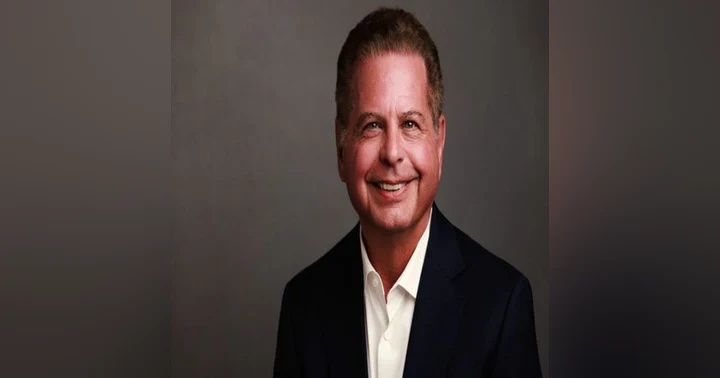
Navigating Cancer Care with Dr. CM Queen Williams: Beyond the Diagnosis

Navigating Cancer Care with Dr. CM Queen Williams: Beyond the Diagnosis
Welcome back to the blog! In our latest episode, we had the incredible opportunity to sit down with Dr. CM Queen Williams, a distinguished radiation oncologist and a passionate advocate for empowering patients. Her insights are so profound and far-reaching that we wanted to dedicate a blog post to expanding on the key takeaways from our conversation. If you haven't already, I highly encourage you to listen to the full episode, Real Talk in Medicine with Dr. CM Queen Williams, available at https://www.tronpodcast.com/DrCMQueen/. In that episode, Dr. Williams shared her extensive experience and her unique philosophy on transforming the often-overwhelming experience of a cancer diagnosis into a journey of understanding and empowerment. This blog post will dive deeper into the strategies and principles she champions, focusing on how patients can move beyond the initial shock of a diagnosis and actively participate in their own care with confidence and clarity.
Meet Dr. CM Queen Williams: A Leader in Cancer Care
Before we delve into the specifics of navigating cancer, it's essential to understand who Dr. CM Queen Williams is and why her perspective is so valuable. As a retired U.S. Army Lieutenant Colonel and a board-certified Radiation Oncologist with over two decades of service, Dr. Williams brings a unique blend of disciplined leadership, medical expertise, and profound compassion to her work. Her career has been dedicated to caring for others, both within the military and in civilian life. What sets Dr. Williams apart is her mission to demystify complex medical systems, especially cancer care, for her patients. She understands that a diagnosis of cancer is not just a medical event; it's a life-altering experience that impacts every facet of a person's being. Her approach is rooted in empathy, honesty, and a deep commitment to ensuring that patients are not passive recipients of care, but active, informed participants. She is known for her ability to blend scientific rigor with real-life experience, addressing the difficult conversations that many healthcare professionals and patients shy away from, from treatment decisions to life after cancer.
Understanding Your Diagnosis: Clarity in Complexity
One of the most critical and often most challenging aspects of a cancer diagnosis is the sheer complexity of the medical information presented. Patients are often bombarded with unfamiliar terms, statistics, and treatment protocols, leading to confusion, anxiety, and a sense of being overwhelmed. Dr. Williams emphasizes the paramount importance of achieving clarity. She advocates for a patient-centered approach where the physician's role extends beyond delivering a diagnosis to ensuring genuine understanding. This involves breaking down complex medical jargon into layman's terms, explaining the biological nature of the cancer, its stage, its potential progression, and its implications. It's about creating a mental map for the patient, helping them visualize what is happening within their body. This clarity is not just about comprehending the disease itself, but also about understanding the context of their diagnosis within their overall health and life circumstances. Dr. Williams believes that when patients truly grasp their diagnosis, they are better equipped to engage in decision-making and feel a sense of agency, which is crucial for their emotional and psychological well-being throughout their treatment journey.
The Foundation of Knowledge
The foundation of understanding begins with the patient's willingness to ask questions and the healthcare provider's commitment to answering them thoroughly. Dr. Williams encourages patients to view their medical team as collaborators, not just as authority figures. This means fostering an environment where questions are not only welcomed but actively solicited. She highlights the importance of understanding the anatomy and physiology involved, the specific type of cancer cells, their origin, and how they behave. Knowing the grade and stage of the cancer provides essential information about its aggressiveness and how far it has spread. This knowledge empowers patients by demystifying the unknown and replacing fear with understanding. It's a process of building a shared understanding, where the patient's knowledge grows alongside their trust in their medical team. Without this foundational clarity, subsequent decisions about treatment can feel arbitrary or imposed, rather than chosen.
Empowering Patients: Knowledge is Power
The phrase "knowledge is power" is particularly resonant in the context of cancer care. Dr. Williams is a staunch advocate for patient empowerment, believing that informed patients are better equipped to advocate for themselves, make sound decisions, and navigate the complexities of treatment with greater confidence. Empowerment isn't just about understanding the diagnosis; it's about feeling capable and confident in one's ability to participate in and influence their care. This involves equipping patients with the tools and information they need to be active agents in their treatment journey. Dr. Williams stresses that empowerment is a continuous process, starting from the moment of diagnosis and extending through survivorship. It's about shifting the patient from a passive recipient of medical intervention to an active partner in their health and well-being. This shift in perspective can profoundly impact the patient's experience, fostering resilience and a greater sense of control during a challenging time.
Building Confidence Through Information
Dr. Williams explains that building patient confidence is a multi-faceted endeavor. It starts with transparent and accessible communication from the medical team. When doctors take the time to explain things clearly, listen attentively to concerns, and involve patients in the decision-making process, patients begin to feel heard and valued. This builds trust, which is the bedrock of empowerment. Furthermore, providing patients with resources such as reliable websites, support groups, and educational materials can further enhance their knowledge and confidence. Dr. Williams also touches upon the psychological aspect of empowerment. When patients feel they have a voice and their opinions are respected, they are more likely to adhere to treatment plans, manage side effects proactively, and engage in self-care practices that contribute to their overall recovery. This proactive engagement is a testament to their growing confidence and their understanding that they are not alone in this fight.
Navigating Treatment Options: Making Informed Decisions
The landscape of cancer treatment can be vast and intricate, with numerous options available, each with its own set of benefits, risks, and side effects. Dr. Williams excels at helping patients untangle this complexity and make informed decisions that align with their individual needs, values, and goals. She emphasizes that there is rarely a single "right" answer when it comes to cancer treatment. Instead, it's about finding the best path forward for each unique patient. This involves a thorough discussion of all available modalities, including surgery, chemotherapy, radiation therapy, immunotherapy, and targeted therapies. Each option needs to be explained in terms of its expected outcomes, potential side effects, and impact on quality of life. Dr. Williams advocates for a shared decision-making model, where the physician presents the evidence-based options, and the patient, armed with knowledge and understanding, participates actively in selecting the treatment plan that best suits them.
The Patient's Role in Treatment Planning
Dr. Williams underscores that the patient's input is invaluable in treatment planning. This includes considering their personal preferences, their lifestyle, their support system, and their tolerance for risk. For example, a patient who prioritizes maintaining their energy levels for family responsibilities might opt for a treatment with fewer immediate side effects, even if it means a slightly longer treatment duration. Conversely, a patient who is highly motivated to eradicate the cancer quickly might be willing to accept more aggressive treatments. Dr. Williams encourages patients to think about their "why" – why they are pursuing treatment and what their ultimate goals are. This self-reflection, combined with the medical team's expertise, leads to a treatment plan that is not only medically sound but also personally meaningful and sustainable. The goal is to ensure that patients feel ownership over their treatment decisions, which can significantly improve their adherence and overall experience.
Asking the Right Questions: Your Advocate's Toolkit
In the often-intimidating world of healthcare, knowing what questions to ask can feel like a superpower. Dr. Williams dedicates significant attention to equipping her patients with an "advocate's toolkit," with asking the right questions being a cornerstone of this strategy. She believes that patients should not leave appointments feeling confused or unheard. Instead, they should feel empowered to seek the information they need to make informed decisions. This involves having a list of prepared questions, taking notes, and not being afraid to ask for clarification. Dr. Williams provides examples of crucial questions patients should consider asking, such as: What are the potential benefits of this treatment? What are the potential side effects, and how can they be managed? What are the alternatives to this treatment? What is the expected outcome of each option? What is the timeline for treatment and recovery? What support services are available?
Proactive Engagement for Better Outcomes
The act of asking questions is not just about gathering information; it's about actively engaging with one's care. It signals to the healthcare provider that the patient is invested and wants to be a partner in their treatment. Dr. Williams emphasizes that these questions should be framed respectfully and collaboratively. It's not about challenging the doctor's expertise, but about seeking a deeper understanding to facilitate informed decision-making. She also highlights the importance of bringing a trusted family member or friend to appointments to help listen, take notes, and ask questions. This support person can offer a different perspective and ensure that nothing is missed. By developing the habit of asking insightful questions, patients transform from passive observers into active participants, significantly enhancing their ability to navigate their cancer journey effectively and advocate for their own needs.
The Role of Compassion and Real-Life Experience
Beyond the scientific and procedural aspects of cancer care, Dr. Williams brings a profound element of compassion and the invaluable perspective of real-life experience to her practice. She understands that a cancer diagnosis is not just a clinical challenge, but a deeply human one. Her own journey, as detailed in our episode, has undoubtedly shaped her empathetic approach. She recognizes the emotional toll that cancer can take – the fear, the uncertainty, the isolation, and the impact on relationships and daily life. This understanding allows her to connect with patients on a deeper level, acknowledging their struggles and offering not just medical treatment, but also emotional support and encouragement. Her willingness to share her own experiences, when appropriate, can foster a sense of shared humanity and build stronger bonds of trust with her patients. This blend of clinical expertise and genuine empathy is what makes her approach so effective and transformative.
Connecting with Patients on a Human Level
Dr. Williams believes that effective cancer care requires treating the whole person, not just the disease. This means acknowledging the patient's fears, hopes, and concerns. It means being present with them in their vulnerability and offering reassurance and strength. Her background as a military leader has instilled in her a sense of duty and dedication to those under her care, a principle she applies with unwavering commitment to her patients. By integrating compassion into every interaction, she creates a therapeutic environment where patients feel safe, understood, and supported. This humanistic approach not only improves the patient's emotional well-being but also enhances their ability to cope with the physical challenges of cancer and its treatment, ultimately contributing to better outcomes and a more positive overall experience.
Conclusion: Moving Forward with Confidence
Our conversation with Dr. CM Queen Williams, as highlighted in our recent episode, "Real Talk in Medicine with Dr. CM Queen Williams," was a powerful exploration of how to move beyond the initial shock of a cancer diagnosis and embrace a proactive, informed approach to care. We’ve discussed the critical importance of understanding the diagnosis with clarity, empowering oneself through knowledge, making informed decisions about treatment options, and utilizing the crucial skill of asking the right questions. Dr. Williams' unwavering commitment to compassion and her utilization of real-life experience serve as a guiding light for both patients and healthcare providers. Her philosophy underscores that navigating cancer is not just about fighting a disease, but about actively participating in one's own journey towards healing and well-being. By embracing the strategies and insights shared by Dr. Williams, individuals facing a cancer diagnosis can transform their experience from one of fear and uncertainty into one of empowerment and confidence, moving forward with a clear understanding and a strong sense of agency.
Rewriting the Rules of Wellness: My 105-Pound Journey from CNO to CEO