The Unlikely Fusion: Why Saxophone and Hip-Hop Were Always Meant to Be
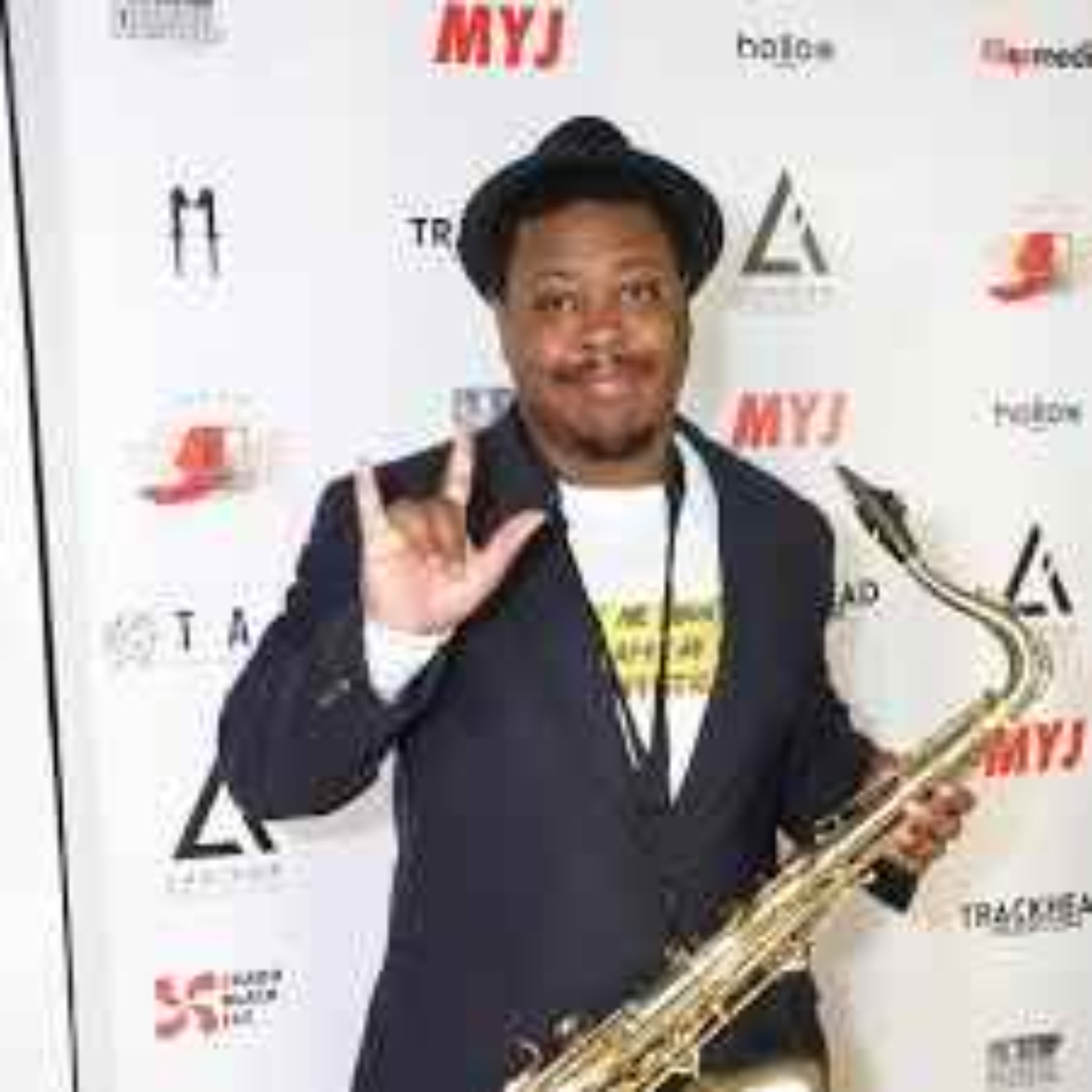
Welcome back to the blog, listeners! This week on the podcast, we had the incredible pleasure of sitting down with B. Able, an artist who is quite literally making waves by bringing the soulful wail of the saxophone into the heart of hip-hop. His sound is utterly unique, and as we explored in our conversation, it's also a testament to the deep, often overlooked, connections between these seemingly disparate musical worlds. If you haven't had a chance to listen to our episode, Saxophone Meets Hip-Hop: How B. Able is Rewriting Music Genres, you're in for a treat. Today, we’re going to dive deeper into the historical roots and musical mechanics that make this fusion not just possible, but profoundly resonant.
B. Able: A Pioneer at the Intersection
Let's start with the man of the hour, B. Able. For those of you who caught the episode, you know his story is as inspiring as his music. Diagnosed with autism and ADHD, Breyton Croom, aka B. Able, has defied expectations and carved out a truly distinctive path in the music industry. He seamlessly blends virtuosic saxophone solos with hard-hitting rap verses, creating a soundscape that is both familiar and exhilaratingly new. It's not just the musicality; B. Able also uses his platform to advocate for neurodiversity and mental health, a crucial and powerful message that imbues his art with an even deeper significance. He’s an artist who isn’t afraid to be bold, to push boundaries, and to challenge the status quo. His vision for the future, which includes Grammys and sold-out arenas, is not just ambitious, it feels entirely within reach because of the sheer power and originality he brings to the table. His willingness to infuse his hip-hop tracks with raw, improvisational saxophone is a bold statement, but as we'll explore, it’s a statement built on a surprisingly fertile historical and musical foundation.
From Jazz Roots to Hip-Hop Beats: A Historical Connection
The idea of a saxophone in hip-hop might strike some as novel, even experimental. However, to truly appreciate B. Able's innovation, we need to rewind the clock and look at the foundational elements of hip-hop itself. Hip-hop, in its nascent stages, was deeply indebted to jazz. The very act of sampling, a cornerstone of early hip-hop production, often involved lifting instrumental breaks and solos from jazz records. These jazz recordings were replete with the improvisational brilliance of instruments like the saxophone. Think of the iconic drum breaks sampled by producers like DJ Premier or Pete Rock – these often came from funk and soul tracks that, in turn, had strong jazz influences. The rhythmic complexity, the melodic improvisations, and the sheer expressive power of jazz musicians provided a rich sonic palette for hip-hop's pioneers.
Early hip-hop DJs and producers were essentially recontextualizing existing music, creating new narratives from fragmented sonic pieces. The jazz saxophone, with its ability to convey a vast range of emotions – from mournful bluesy melodies to jubilant, energetic runs – offered a wealth of sonic textures that could be woven into the fabric of hip-hop beats. While not always directly present as a live instrument in early recordings, its spirit, its harmonic language, and its improvisational ethos were undeniably present in the DNA of the genre. This historical lineage is crucial because it establishes a precedent for instrumental exploration within hip-hop, proving that the genre has always been open to incorporating diverse sonic elements, especially those with deep musical roots.
The Saxophone's Role in Early Hip-Hop Influences
While the saxophone might not have been the featured instrument on early hip-hop tracks in the same way a drum machine or a turntable was, its influence is undeniable when we look at the genres that fed into hip-hop's creation. Funk music, for instance, was heavily characterized by its brass sections, which often included saxophones. Artists like James Brown, a pivotal figure whose music was extensively sampled by hip-hop producers, frequently utilized saxophones to add punch and melodic flair to his arrangements. These funk tracks, with their driving rhythms and vibrant horn lines, became the bedrock for many foundational hip-hop beats. Producers would isolate these horn stabs or even entire solos, looping them to create the infectious grooves that defined early hip-hop.
Furthermore, soul music, another genre that heavily influenced hip-hop, also saw significant contributions from saxophonists. The smooth, emotive solos of artists like Grover Washington Jr., for example, while perhaps more associated with smooth jazz, had a profound impact on the broader musical landscape and found their way into various R&B and even some early hip-hop-adjacent tracks. The melodic sophistication and improvisational freedom that the saxophone offered in these genres provided a template for the kind of musicality that hip-hop artists would later explore in different ways. The raw, often gritty, textures that producers extracted from these records carried with them the essence of these instruments, including the expressive qualities of the saxophone, even if it wasn't always explicitly stated.
Why the Saxophone Works in Hip-Hop: Musical Synergy
So, what is it about the saxophone that makes it such a natural, albeit unexpected, fit for hip-hop? It boils down to a powerful musical synergy. Firstly, the saxophone is an incredibly versatile instrument. It can be smooth and melancholic, sharp and aggressive, or playful and jazzy. This emotional range allows it to complement a wide spectrum of hip-hop moods and lyrical content. A mournful saxophone solo can amplify the pathos of a rap verse dealing with struggle or loss, while an energetic, fast-paced saxophone line can add an extra layer of intensity to a track about triumph or celebration.
Secondly, the saxophone’s improvisational nature aligns perfectly with the spirit of hip-hop. Hip-hop, at its core, is about expression, storytelling, and often, improvisation – whether it's in the form of freestyling or the creative manipulation of samples. The saxophone, being a lead instrument capable of spontaneous melodic invention, can act as a voice within the track, offering a counterpoint, an elaboration, or even a narrative extension to the rapper's words. It provides a human, organic element that can cut through the often-synthesized soundscape of modern music, offering a raw, visceral connection.
Moreover, the physical act of playing the saxophone, the breath control, the embouchure, the physical exertion – it all translates into a palpable energy that can be felt in the music. When B. Able lays down a searing saxophone solo, it's not just notes; it's passion, it's struggle, it's triumph, all communicated through the instrument. This raw, unfiltered expression resonates deeply within hip-hop, a genre that has always celebrated authenticity and emotional honesty. The saxophone’s ability to weave complex melodic lines that can either harmonize with or contrast against the rap vocals creates a rich sonic tapestry that adds depth and dimension to the music. It’s a conversation between two distinct voices, a dialogue that enriches the overall listening experience.
Beyond the Sound: B. Able's Message of Advocacy
As we touched upon earlier, B. Able’s music is more than just a stylistic fusion; it’s a platform for something profoundly important. His advocacy for neurodiversity and mental health, channeled through his artistic identity as B. Able, is a vital element of his work. In a society that often places individuals with autism and ADHD into narrow boxes, B. Able’s success and his unapologetic embrace of his unique way of experiencing the world serves as a powerful inspiration. He’s dismantling stigmas, not just through his words, but through the very act of creating and sharing his music.
His choice to integrate the saxophone into hip-hop isn't just about sonic innovation; it's also a metaphor for embracing the unexpected, for finding beauty and power in combinations that might not seem obvious at first glance. He’s demonstrating that diverse talents and perspectives can come together to create something extraordinary. His journey, from facing doubts about his independence and education to pursuing a Master's degree and dominating the music scene, is a testament to resilience and the power of believing in oneself. This message of empowerment is woven into the fabric of his sound, making his music not just enjoyable, but meaningful and inspiring. It encourages listeners to look beyond perceived limitations and to celebrate the unique strengths that each individual possesses. His artistry becomes a vehicle for broader social change, proving that music can be a potent force for advocacy and understanding.
Conclusion: The Future is a Fusion
As we wrap up this exploration, it's clear that the fusion of saxophone and hip-hop, spearheaded by artists like B. Able, is not a fleeting trend but a natural evolution. The historical threads connecting jazz and hip-hop, the inherent musical compatibility of the saxophone’s expressive capabilities with hip-hop’s rhythmic and lyrical structures, and the powerful advocacy that B. Able brings to his work, all converge to create something truly special. His music is a testament to the idea that innovation often arises from the unexpected intersections of different artistic forms, and that embracing one's unique perspective can lead to groundbreaking creations.
The saxophone, once a staple of jazz clubs and smoky lounges, has found a vibrant new home within the dynamic landscape of hip-hop. It brings a layer of soulful depth and improvisational flair that can elevate tracks to new emotional heights. B. Able is at the forefront of this exciting new wave, proving that the boundaries of musical genres are more fluid than we often imagine. His success, his artistry, and his advocacy are all intertwined, creating a powerful narrative that resonates far beyond the music itself. We encourage you to revisit our podcast episode, Saxophone Meets Hip-Hop: How B. Able is Rewriting Music Genres, to hear his story and his music firsthand. The future of music is a fusion, and B. Able is helping to compose its soundtrack.
Rewriting the Rules of Wellness: My 105-Pound Journey from CNO to CEO