
 Apple Podcasts
 Spotify
 Amazon Music
 PocketCasts
 iHeartRadio
 Pandora
 About Ron Luce: Author, Poet, and Playwright

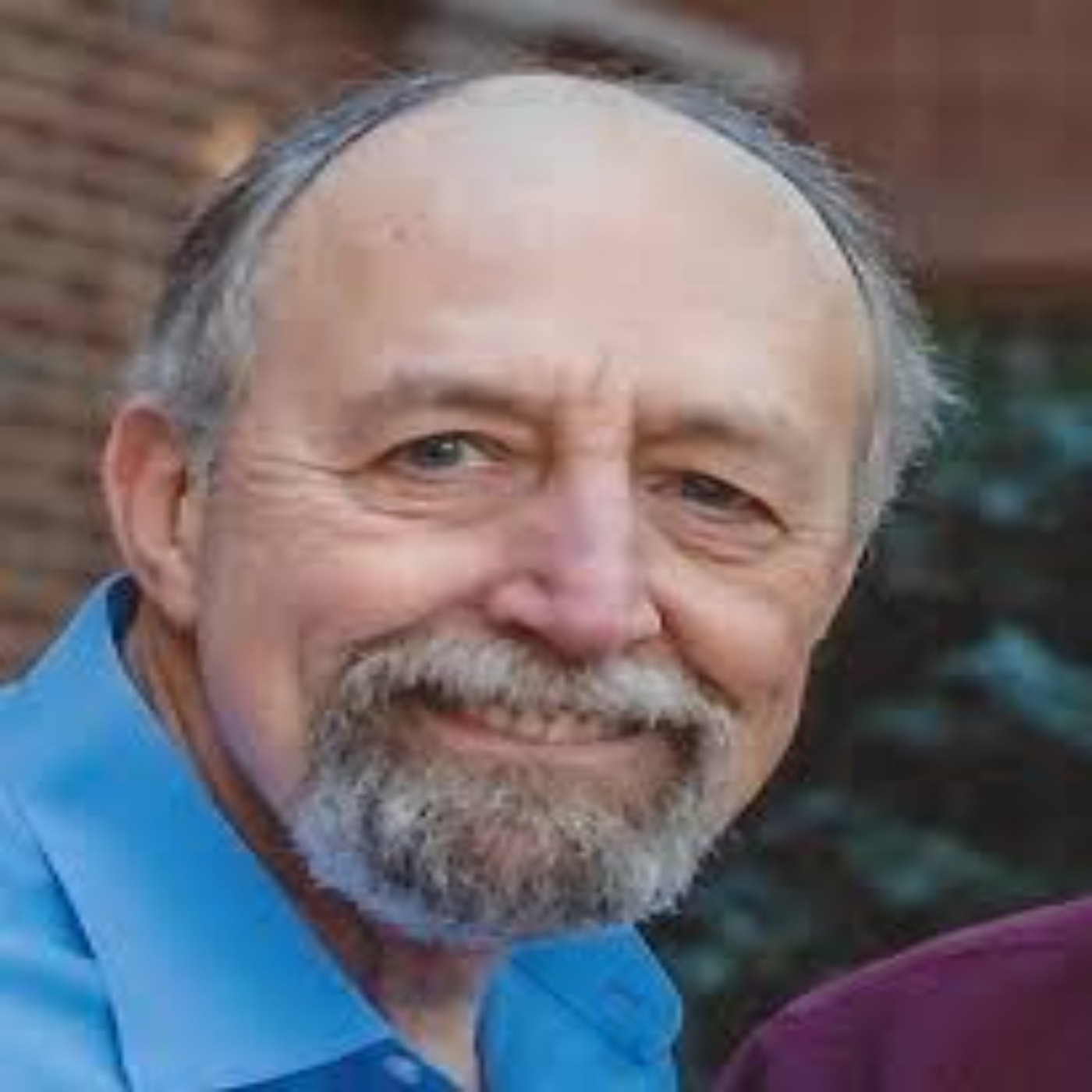
Ron Luce is an American author, poet, and playwright known for his emotionally raw psychological realism and socially conscious storytelling. He holds an M.A. and a Ph.D. in Creative Writing, American Literature, and Rhetoric from Ohio University.
Luce’s work frequently explores themes of trauma, family dynamics, and systemic socioeconomic struggles. He is the author of Pie in the Sky and Other Illusions We Live With, a collection of stories examining societal deceptions and personal grief, and Walking on Nathan’s Grave, a mystery novel centered on a writer uncovering a century-old murder case. His experimental drama Once Upon a Waning Star showcases his distinct play-inspired narrative structure.
Support this podcast at — https://redcircle.com/the-t-r-o-n-podcast/donations
Advertising Inquiries: https://redcircle.com/brands
Privacy & Opt-Out: https://redcircle.com/privacy
0:00 [SPEAKER_01]: from the classroom to book shelves to an acclaimed winning author from the great state of Ohio, Ron Luz. [SPEAKER_01]: Thank you very much, sir, for being on the randomest and nothing but guest. [SPEAKER_00]: Yeah, it's my pleasure. [SPEAKER_00]: Thank you for having me. [SPEAKER_01]: I gotta be honest with you, you know, like I'm a person always enjoys a good story, right? [SPEAKER_01]: And so can you give us some background how you've navigated education, authorship, and the life that you've lived. [SPEAKER_00]: that's a long story. [SPEAKER_00]: I keep a brief. [SPEAKER_00]: I've always been a writer. [SPEAKER_00]: Ever since I was a little kid, I wanted to write things down and I've also a reader. [SPEAKER_00]: So I think those experiences very early in my life caused me to love language and to want to play with language and see what you could do.
0:51 [SPEAKER_00]: really since I was quite young. [SPEAKER_00]: During my earlier years, I tried to write poetry. [SPEAKER_00]: I still write poetry. [SPEAKER_00]: But it wasn't until I reached the point of getting through my education, through my own education, and then teaching, where I had to do a lot of writing, but it was largely for professional journals and those kinds of things. [SPEAKER_00]: So when I finished, [SPEAKER_00]: working as a college professor, I decided to spend my time focusing on what I wanted to write and what I cared about and really pulling a lot of the things together that I've learned throughout my lifetime, get into coherent books.
1:37 [SPEAKER_00]: So I've written a number of books, some non-fiction and some some fiction and I'm just enjoying sharing that with readers now. [SPEAKER_01]: You know, what's always fascinating when I talk to authors is really like, because everybody in their mind thinks they can start a book right and then you actually try to actually put pen to paper and you realize the difficulty because you read so much and you're like, okay, well, I can write like I've tried and then I'm like, I don't know if I could actually do this because, you know, [SPEAKER_01]: It's enjoyable to me or, you know, I could write myself in the story or something in that nature and then you can end up going on what I like to call the tangents where you want to add multiple things all at once, but you do lose track of what you are actually looking to accomplish.
2:22 [SPEAKER_00]: Yes, it's very difficult and I don't think unless you've written something extensive, it really is hard to imagine what it takes to do. [SPEAKER_00]: And I would just simply say that I don't sit down to say I'm going to write a book. [SPEAKER_00]: I sit down and write and if I really like the characters I'm working with or I find the story going some direction or I see some key image that I really love that will motivate me to write and continue writing. [SPEAKER_00]: And once I start writing, there has to be something that holds it all [SPEAKER_00]: And, you know, that's the fun of it.
3:04 [SPEAKER_00]: The real work is in the in the rewrite it, you know, when you, you get the draft out, you get all that stuff like you say the tangents and the, you know, the crazy stuff sometimes and yeah. [SPEAKER_00]: The, you know, and it feels good while you're writing it, but then you come back to and say, OK, I'm going to stick this in somebody's face, you know, I'm going to ask somebody to read this and are they going to be able to read it. [SPEAKER_00]: Is that question, you know, question, if I can't make it meaningful to the reader, what are we about accomplished. [SPEAKER_00]: And so it's a process and it's a difficult process. [SPEAKER_01]: You know, and I think that, you know, there's some parallels to it before we get into the specifics of your book, I'm like doing a podcast, right?
3:47 [SPEAKER_01]: Because you're like, okay, I think I did the interview and then you replay it back and you hear your voice like, wow, that was really terrible. [SPEAKER_01]: You know, that was, you know, I thought I was kind of doing a halfway decent job until it actually was actually played back to me. [SPEAKER_01]: We'll get into the details of your books, but one I was fascinated about just off when I was looking you up is the Millfield mind disaster of 1930, which I'd never heard of. [SPEAKER_01]: You know, can we get into that? [SPEAKER_01]: I mean, I can send myself pretty decently, well, no, about things I never heard of that. [SPEAKER_00]: Oh, really? [SPEAKER_00]: Well, the Millfield mind disaster books that I did is a non-piction work. [SPEAKER_00]: It is focused on the events that happened on November 15, 1930 when Ohio had its largest mine explosion causing the most deaths.
4:34 [SPEAKER_00]: The state has experienced in coal mines and it's it really tells the story of how it happened, why it happened. [SPEAKER_00]: and the efforts that were made to keep it from the public for a long time. [SPEAKER_00]: This is a situation where 82 men died in a mine collapse or are not collapse. [SPEAKER_00]: I'm sorry, explosion. [SPEAKER_00]: And it didn't have to happen. [SPEAKER_00]: It was largely the result of the act of the owners not willing to have modernized equipment, [SPEAKER_00]: And what's really interesting about that particular explosion is this is one of the rare situations where the it wasn't just the workers, the coal miners who [SPEAKER_00]: died, but 10 people who actually represented the company, including the president of the Sunday Creek coal mining company, they were all there for a visit on that day, went down in the mines and so they were 10 of those talks, superintendents, supervisors, engineers, [SPEAKER_00]: All digger in that experience.
5:52 [SPEAKER_00]: So, you know, it got a lot of attention because those people, those [SPEAKER_00]: ten people from the corporate world, we're in there. [SPEAKER_00]: Whereas many explosions that have happened over the centuries actually, but for many explosions just didn't register as big news, because they're just the workers, you know, that kind of an attitude, which still goes on today. [SPEAKER_00]: Right. [SPEAKER_01]: Right. [SPEAKER_01]: So, you know, in the reality of what it is, is that, you know, I think when it does it become, [SPEAKER_01]: Unfortunately, classification when it comes to death is real, you know, and tragedies is real and sometimes some to get more attention than others.
6:32 [SPEAKER_01]: It's unfortunate because at the end of the day, it should still be a tragedy. [SPEAKER_01]: And in the other point to that to a degree is that the profession itself is already dangerous into itself. [SPEAKER_01]: And then, you know, on its best day, right? [SPEAKER_01]: And then you add a layer of, you know, a certain classification down there. [SPEAKER_01]: It's just, it's something I was looking for. [SPEAKER_01]: Right, and then you're adding on top of that that it usually didn't happen just in that one specific event there were multiple things when they do their investigation that lead up to them and that's unfortunate. [SPEAKER_00]: I'm glad you're sharing that story. [SPEAKER_00]: Home mining wasn't something I ever intended would be a big part of my life. [SPEAKER_00]: But when I moved to Ohio, I, because I'm an actor, I was asked to a wonderful play of role in.
7:19 [SPEAKER_00]: in some historical events, right. [SPEAKER_00]: And I had to learn how to portray a major leader in the coal mining industry as an advocate for coal miners, a lot, particularly somebody who [SPEAKER_00]: was trying to put together unions and get workers to join together to stand up against all of the problems. [SPEAKER_00]: So in order to play that role, I had to learn the research. [SPEAKER_00]: You know, the stuff about coal mining and typical of me, you know, I do a lot of research and I really try to understand what I'm presenting.
8:01 [SPEAKER_00]: And so I learned an awful lot. [SPEAKER_00]: If you'd ever told me 20 years ago, I'd write a book about coal mining. [SPEAKER_00]: I just said, what are you talking about? [SPEAKER_00]: I don't know about coal mining. [SPEAKER_01]: Did you go then you didn't go then you're they Lewis on this right where you suddenly start actually like you know living in character the entire time You know I had no desire to go down in a coal mine Okay, he was the pickaxe and you know, he dealt the coal [SPEAKER_01]: Yeah, as about to say, let's, you know, like, there's limits. [SPEAKER_01]: So, oh, let's talk about your other works as well too, because there was walking on Nathan's grave. [SPEAKER_00]: What's that all about? [SPEAKER_00]: Well, walking on Nathan's grave, which actually the the second novel I put out.
8:42 [SPEAKER_00]: And it really is focused on a man who has gone through a lot of trauma in his life. [SPEAKER_00]: And he has to deal with refining himself, finding a way to [SPEAKER_00]: to get through his own self-made problems and the trauma that he faced as a child and all those kinds of things in a rye that are placed where life had meaning for him. [SPEAKER_00]: Where he felt like there was something worth fighting for, living for. [SPEAKER_00]: And it really is a story of redemption, you know, and in some ways it parallels my own life experiences with he has been so upset by life that he falls into drug use alcohol, those kinds of things and he's throwing away a great talent that he has.
9:40 [SPEAKER_00]: because he doesn't know what else to do. [SPEAKER_00]: He's allowed the world to beat him up. [SPEAKER_00]: And he works through a process of getting connected with someone else who is very much interested in a past experience, past history, experienced back in the 1800s, [SPEAKER_00]: a hand for killing a couple of people or perceived to have killed people. [SPEAKER_00]: Those are the court case shows that there was never any real evidence that he did it.
10:22 [SPEAKER_01]: They didn't need a lot of that back then, all they needed was you. [SPEAKER_01]: Absolutely. [SPEAKER_00]: So there's that case going on. [SPEAKER_00]: And then this writer, this main character that I was referring to, he and this police officer who [SPEAKER_00]: feel their way through that story, but also prime that is going on in the police officers like within the police force. [SPEAKER_00]: We got these two going on and going on simultaneously from the 1870s and one in current time. [SPEAKER_00]: they didn't have to negotiate it and they also have to learn how to work with each other and find their way in a world that is very complex and painful.
11:12 [SPEAKER_01]: It's always been fascinated by novels to for me, like personally, that really are a little bit older that are in that 1850s, 1920s. [SPEAKER_01]: Like I'm a sucker for like 1923 and what's that 1884 I think that I'm probably like [SPEAKER_01]: right I just I love like stage coach stuff this this year 1980 yeah yeah no the CBS Paramount shows that were like you know in the westerns and stuff like that but I'm I'm a sucker for stuff where like you know the country was kind of getting new technologies [SPEAKER_01]: Things were done, you know, the sheriff's departments are learning things along the way, you know, to your point when, you know, the person was, you know, executed without a lot of evidence because they're still learning a court system of right and wrong, so to speak, you know, and what, you know, there's not a lot of these people are learning things along the way.
12:01 [SPEAKER_01]: And ultimately, I love capturing errors like that because there's something pure that when technology was in its infancy, people had to do talk and write and walk up and talk to people, things aren't serialized like they are now. [SPEAKER_00]: Right. [SPEAKER_00]: And, you know, that's one of the things that I also appreciate. [SPEAKER_00]: One of my interactions at one, all of my works really deal with those human interactions. [SPEAKER_00]: talking to one another, finding ways to solve problems. [SPEAKER_00]: Very little use of technology, just certainly not into the whole concept of magic and all that sort of stuff. [SPEAKER_00]: I'm interested in how people really [SPEAKER_00]: interact with each other and, you know, get through their lives.
12:46 [SPEAKER_01]: Absolutely. [SPEAKER_01]: And make a difference. [SPEAKER_01]: Absolutely. [SPEAKER_01]: Did you? [SPEAKER_01]: Now, how many other books have you published so far, right? [SPEAKER_01]: Because I saw walking on Nathan's grave, and I saw one of them also your aspects as you want to challenge the reader. [SPEAKER_01]: It's not good enough for them just to, oh, I was entertained. [SPEAKER_01]: It really, you really make a point of emphasis to say, did this, you know, push you to a new level of your own personal level? [SPEAKER_01]: And that's important. [SPEAKER_01]: Yes. [SPEAKER_01]: Thanks for noticing that. [SPEAKER_00]: Yeah, I think I have a very strong sense of literature, literature, or something other than just telling a story. [SPEAKER_00]: I think there are lots of good things out there for entertainment.
13:28 [SPEAKER_00]: That's wonderful. [SPEAKER_00]: I have no problems with people publishing books that are entertaining and make people feel good. [SPEAKER_00]: But I think of literature as something [SPEAKER_00]: I think good literature causes readers to have to react, to reflect on, you know, who am I? [SPEAKER_00]: I'm living on this planet for X number of years. [SPEAKER_00]: What difference do I make? [SPEAKER_00]: For sure. [SPEAKER_00]: What do I want for myself? [SPEAKER_00]: What do I want for humanity in general? [SPEAKER_00]: Right. [SPEAKER_00]: And I think those are the essential questions that make us human.
14:10 [SPEAKER_01]: great and so beautiful. [SPEAKER_00]: I'm very interested in trying to get readers to reflect. [SPEAKER_00]: I think a whole lot of my own life has been involved in looking at who I am, what I've done, what I haven't done, whether I did things well or didn't do things well and constantly trying to say, [SPEAKER_00]: I'm far from perfect believe me, but the idea that if we adopt it that kind of an attitude, if every human being I would dare said, I want to be better.
14:50 [SPEAKER_00]: I want to appreciate other human beings more than I have. [SPEAKER_00]: I want to be open to things that might be strange to me and [SPEAKER_00]: And teach myself how to recognize that the world doesn't operate according to Ron Luce, you know? [SPEAKER_00]: Never put money, not everybody does things and feels things in the same ways. [SPEAKER_01]: And the good part about by doing that in a book is it's non-judgmental, right? [SPEAKER_01]: So like when you start actually, you know, because you can try to self-reflect whatever way people decide to try to do that, you know, that may or may not work. [SPEAKER_01]: Maybe you don't feel like confiding in somebody, but if you're reading a character and you're noticing a flaw, you know, once in a while, you know, [SPEAKER_01]: Man, you know, they're doing something that, you know, I didn't realize that that was a part of my personality, or if you see somebody, you know, acting in a certain behavior, you start sitting back and saying, you know, I kind of do the same kind of things and that I'm uncomfortable seeing or reading about that.
15:46 [SPEAKER_01]: Right. [SPEAKER_01]: Right. [SPEAKER_01]: And then, you know, or you did, or you learn about a different language of different country, a different location, et cetera. [SPEAKER_01]: And you'll say the world is much bigger than the zip code that I live in and this book transport. [SPEAKER_01]: You know, because you can literally autopilot your mind, because you know, in the light changes, you know, saying dogs walk him out and then people's minds start getting stale and then you reach and what are your books, for example, and you're like, man, I didn't even know something happened in 1870 or a coal mine disaster, you know, the life's not so bad. [SPEAKER_01]: You know what I mean? [SPEAKER_00]: Right. [SPEAKER_00]: Well, I think that's kind of the essence of it is, if I've written it well, the reader has to engage it. [SPEAKER_00]: and the reader has to make decisions for himself, for himself, how about what they're going to do with it?
16:31 [SPEAKER_01]: Exactly. [SPEAKER_00]: I write a great deal about the human condition, the issues that we all face, the current sense of hatred toward others who are not what people think of as the mainstream, or the dominant forces, or whatever. [SPEAKER_00]: and the issues of in our society about you know we set we set forth as as Americans these notions that you know we're we're all for freedom, equality, fairness, all those kinds of things but in reality when you look at the reality of those things they're nice ideals but we are way away from those we have not reached those [SPEAKER_01]: There are times where, you know, I think that life is absolutely beautiful, but there are also times where people will find in all walks of life, unfortunately, the inherent joy of watching somebody suffer, right, because, you know, for whatever reasons that they've decided to be and so, you know, it's very sad and so, you know, it's easy to get caught up in the cynicism of people who behave like that.
17:46 [SPEAKER_01]: So what, you know, the beauty about a show like this and then I've tried to do in my little corner of the world, you know, is say, hey, you know, if you have something good and positive to put out into the world, this is the opportunity to do so, you know, if you're an author and entrepreneur, people have aspirations, but sometimes every day life can break them down and so they can only on the flip side, get joy of watching somebody have something bad happen to them. [SPEAKER_00]: right for reasons that we try to find people to hate. [SPEAKER_00]: Yeah, it can get to find people to beat down and make it lesser than us. [SPEAKER_00]: Yeah.
18:26 [SPEAKER_00]: You know, [SPEAKER_01]: Yeah, it definitely can be very, very, very taxing, you know, to think about things like that. [SPEAKER_01]: What do you, and now as far as your, your repertoire of also theater production and also when it comes to your professorship? [SPEAKER_01]: Can we dive into that? [SPEAKER_01]: What did the professorship you said you did before writing? [SPEAKER_01]: And then can we kind of dive into that world? [SPEAKER_01]: Being a teacher or a professor? [SPEAKER_00]: Yes, absolutely. [SPEAKER_00]: Absolutely. [SPEAKER_00]: Well, I talked for a number of years. [SPEAKER_00]: before I retired. [SPEAKER_00]: And I absolutely loved working with students. [SPEAKER_00]: I loved interacting with them.
19:07 [SPEAKER_00]: helping them to question and to challenge themselves to reach their potential. [SPEAKER_00]: And I think too much of education is spoon feeding. [SPEAKER_00]: What I always took the approach that my job is to help that person figure out what the big questions are. [SPEAKER_00]: And then what they think they want to do with all that. [SPEAKER_00]: I taught a lot of writing classes and, you know, when you step into somebody else's creative process, you can destroy them easily. [SPEAKER_00]: If you are mean-skirited, nasty, you know, the old red pen, you know, everything you do is wrong and there's nothing. [SPEAKER_01]: Yeah. [SPEAKER_00]: All that pen, so many teachers still do that stuff.
19:51 [SPEAKER_00]: I always approach it from the standpoint of what do you want to say? [SPEAKER_00]: Why do you want to say it? [SPEAKER_00]: What do you want to say it to? [SPEAKER_00]: What's it going to take to say it to them? [SPEAKER_00]: Well, what are you willing to do to look at yourself and say, I want what I put out there and learn other people to be something I'm proud of and that they will look upon me in a positive and what? [SPEAKER_00]: So it's the underlying thinking that I think [SPEAKER_00]: It just doesn't get promoted as well as I think it could be in many, many cases. [SPEAKER_01]: Well, you know, it's funny. [SPEAKER_01]: I'm a big movie buff, right? [SPEAKER_01]: And I love Mr. Holland's office. [SPEAKER_01]: It's one of the best movies in the 90s, right? [SPEAKER_01]: Like, I don't know if you've ever seen that film. [SPEAKER_01]: It's a fantastic motion picture, right? [SPEAKER_01]: That's really underrated. [SPEAKER_01]: what whiplash gets a lot of like abuse and and because like you want to see the teacher that kind of goes off the head you know off the edge you got JK Simmons beaten up you know the drummer and everything like that.
20:41 [SPEAKER_01]: So I think that to your point like the positivity and the good side and the challenging may sometimes take a back seat to the aggression and the pushing is that people sometimes want to see in a dramatic type of situation in [SPEAKER_01]: Teachings about patients, right, and bringing something out of people that they didn't know they had in them. [SPEAKER_01]: Or scared to the good ones. [SPEAKER_00]: Yes. [UNKNOWN]: Yeah. [SPEAKER_01]: Yeah. [SPEAKER_01]: First of all. [SPEAKER_00]: Unfortunately, I mean, my own experience was that that not all teachers really worked for the good of students. [SPEAKER_00]: It was a job. [SPEAKER_00]: And as far as I'm concerned, those people shouldn't be in the business. [SPEAKER_01]: They shouldn't be, they shouldn't be teaching.
21:22 [SPEAKER_01]: you definitely have a front row seat to that. [SPEAKER_00]: And I think there's a lot of negativity out there toward young people. [SPEAKER_00]: And that's sad. [SPEAKER_00]: I mean, yes, they're young. [SPEAKER_00]: Yes, they don't do everything like [SPEAKER_00]: I might do them, but how are they ever going to learn if all they get is negativity getting essentially beaten up for attempting to do what you're asking them to do? [SPEAKER_00]: It's a mindset, and I think that's the same mindset that plays out in my vision of creating meaningful writing. [SPEAKER_01]: I have to ask you this has an author because it's always fascinating to me, but people write books. [SPEAKER_01]: What do you feel about the use of artificial intelligence now when it comes to authorship?
22:02 [SPEAKER_01]: You know, because you know, the reality about it is that, you know, is it beneficial to authorship? [SPEAKER_01]: Is it kind of, I don't think the grading or is it like, well, I put in the work of writing drafts and now I'm certain somebody can technically write a book in five minutes so to speak. [SPEAKER_01]: So, you know, or is it a tool for you? [SPEAKER_00]: Well, I haven't. [SPEAKER_00]: really read enough materials written in AI except for formletters and, you know, doctors and people throw out there. [SPEAKER_00]: For the most part, it feels very funny to me. [SPEAKER_00]: A machine cannot produce the thought that a human being can and the nuance that our voices have and [SPEAKER_00]: and our gestures and our sense of really portraying underlying messages.
22:54 [SPEAKER_00]: I think it's very good at sorting out kind of key phrases and putting them in complete sentences and those those kinds of structures. [SPEAKER_00]: Yeah, yeah, I mean, picking on grammar, fixing up things like that. [SPEAKER_00]: But to my mind, it's boring reading what I've read, but little I've read of it is just boring. [SPEAKER_00]: It's very, it's kind of like when teachers focus on the idea of grammar punctuation is failing. [SPEAKER_00]: That's writing. [SPEAKER_00]: No, that's not writing. [SPEAKER_00]: That's just the circle's level stuff that's acceptable to the audience.
23:35 [SPEAKER_01]: Right. [SPEAKER_00]: I so far I haven't seen anything from AI that has the depth. [SPEAKER_00]: and the ability to convey the nuance that I think really good literature does. [SPEAKER_01]: It's understandable. [SPEAKER_01]: That's understandable. [SPEAKER_01]: And it's coming from a perspective of somebody who's written several books and knows that if a character has a certain feeling or a person turns their head a certain way, you know, an eyebrow gets raised or you can see some level of emotion come out of somebody. [SPEAKER_01]: It can't mimic that particular subset of behaviors out of human beings, right? [SPEAKER_00]: And that's very important because sometimes you have to sit back and say leather jacket, cigarette, you know, painted paper like those little things right and that has to come from somebody that has to come from a human being who sees those details and and sees that when you when you say something like he pulled out a cigarette and put it to his lips that there's a whole lot going on underneath that.
24:35 [SPEAKER_00]: in many cases. [SPEAKER_00]: So, I just don't, maybe I just don't want to believe she has them right as well as you and being. [SPEAKER_00]: If they can, we're doomed. [SPEAKER_00]: You know, at the point of being a human being, if the machines can do everything that we do better than we do it. [SPEAKER_01]: I love talking to people who produce original work, right? [SPEAKER_01]: And I love people who put their heart and soul in the things, right? [SPEAKER_01]: And so, you know, it's the experience of opening up that paperback, signature of the author inside of it, the forward, right? [SPEAKER_01]: Sharing the reviews, and then knowing that you put pen to paper, and then made those edits after edits, you know, and then you kept yourself laid on the night or you watched.
25:18 [SPEAKER_01]: right or you watch the documentary because there's also another component that people don't really understand if you're writing historical fiction the average person maybe like that was really cool the part the historian is going to be like Ron you watched that because I I'm a professor of history and you know that that typewriter didn't exist in the value like all sure oh yeah [SPEAKER_01]: And there are those people out there. [SPEAKER_00]: Oh, absolutely. [SPEAKER_00]: And I don't think that's a bad thing. [SPEAKER_00]: No, no. [SPEAKER_00]: I think an author has an obligation to make sure that what he or she is saying is accurate. [SPEAKER_00]: I don't mean accurate in terms of the story stories are made up, but, you know, if I throw a computer into 1850, somebody's going to say, wow, we're going to wait, wait, what's going on there?
26:09 [SPEAKER_00]: Yeah, I mean, something with language, languages changing all the time. [SPEAKER_00]: And I hear things now, words that your phrases that young people say and I go, [SPEAKER_00]: And then I throw out something that was common for me when I was, you know, a young person. [SPEAKER_00]: And they're asking, wow, and earth are you talking about? [SPEAKER_00]: Well, that requires you have to help people understand what the time frame is and what fits with that time. [SPEAKER_01]: For the younger listeners out there, if you're talking to somebody older, they did look like you at one point. [SPEAKER_01]: So just so, you know, they didn't. [SPEAKER_01]: And I say that respect for everybody, like, you know, like, you're like, you're like, you're like, yeah, yeah, yeah. [SPEAKER_01]: Yeah, just so people are aware, right?
26:50 [SPEAKER_01]: Like, you're talking to whatever age somebody is, you know, not just Ron on this show. [SPEAKER_01]: You know, they did look like you at one point, right? [SPEAKER_00]: And they didn't, so you know, you had hair. [SPEAKER_01]: I've always asked this because I think that, you know, you certainly don't need me to get your name out there, but for the purpose of this show, what other works have you had to work to be flat around loose? [SPEAKER_00]: Well, my three novels that are currently out, you've mentioned, [SPEAKER_00]: pie in the sky and other illusions we live with once upon a waning star and walking on Nathan's grave. [SPEAKER_00]: I have also written two nonfiction books largely dealing with local history.
27:33 [SPEAKER_00]: The no-field mind disaster. [SPEAKER_00]: Athens County, Ohio. [SPEAKER_00]: And I have written a number of articles, stories, poems, things that have been published, many articles about the art of teaching, and that sort of thing, which are published in professional journals. [SPEAKER_00]: But if anybody wants to see more information about any of my books, [SPEAKER_00]: loose l u c e dot net so w w dot r loose dot net and they can look at any of my books they can look at reviews they can look at anything they want to this there wonderful.
28:20 [SPEAKER_01]: You know, and so I think that the beauty of, you know, I could never AI show, so, you know, I used to clean up the show, but I don't ever want to talk to an AI author, you know, to me, and I, you know, I just come from somebody who's, it breaks technology, but, you know, I don't think that would be a fun experience because it would be, you know, pretty empty calorie school. [SPEAKER_01]: I do. [SPEAKER_01]: It's so unfortunate to be talking to a living breathing often in front of me. [SPEAKER_01]: And so for that, I am eternally grateful. [SPEAKER_01]: And I wish you all the success and the continued success of your novels and looking forward to reading some of them. [SPEAKER_00]: Thank you, Rashad. [SPEAKER_00]: And thank you for what you're doing. [SPEAKER_00]: Yeah, I appreciate it. [SPEAKER_01]: You know what, I was the full disclosure, like being a geek wasn't the coolest thing growing up. [SPEAKER_01]: But somewhere, like when the millennium changed and technology and everybody was like, man, you know, that stuff's kind of cool.
29:03 [SPEAKER_01]: I'm looking at people like you. [SPEAKER_01]: I was ahead of the curve. [SPEAKER_01]: You remember when you laughed at me when I was like 12 or 13 for like an end stuff? [SPEAKER_01]: Now, you know, flipped it on his head a little bit. [SPEAKER_01]: I said, have wonderful, appreciate it. [SPEAKER_01]: Appreciate you, Rod. [SPEAKER_01]: Thank you for your time. [SPEAKER_01]: Thank you. [SPEAKER_01]: Yep.
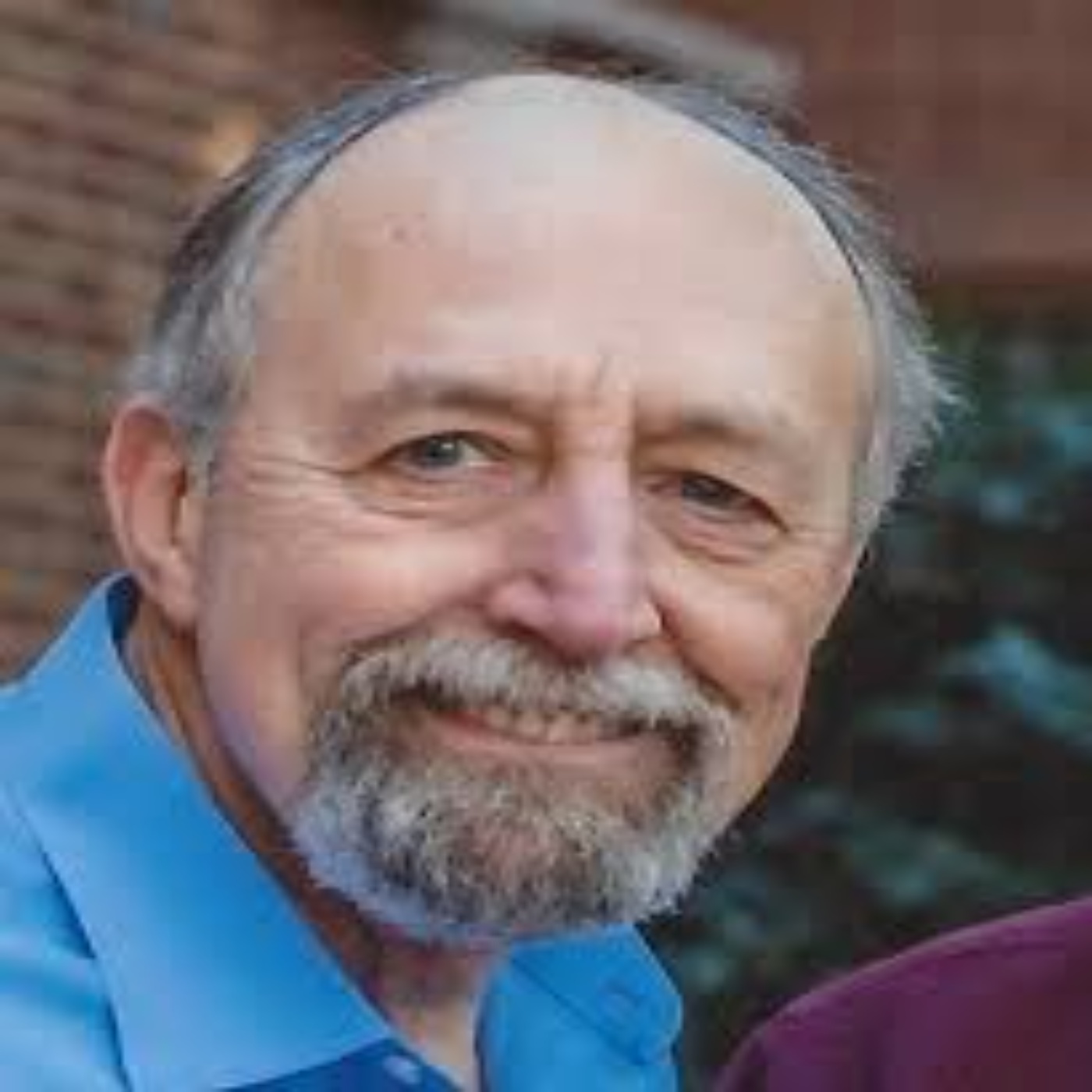
Author, Poet, and Playwright
Ron Luce is an American author, poet, and playwright known for his emotionally raw psychological realism and socially conscious storytelling. He holds an M.A. and a Ph.D. in Creative Writing, American Literature, and Rhetoric from Ohio University.
Luce’s work frequently explores themes of trauma, family dynamics, and systemic socioeconomic struggles. He is the author of Pie in the Sky and Other Illusions We Live With, a collection of stories examining societal deceptions and personal grief, and Walking on Nathan’s Grave, a mystery novel centered on a writer uncovering a century-old murder case. His experimental drama Once Upon a Waning Star showcases his distinct play-inspired narrative structure.