Lead Yourself First: The Secret to Stopping Imposter Syndrome
Welcome back to the podcast companion blog, where we take the deep dives from our audio episodes and expand them into actionable insights you can implement in your career today. If you have ever stared at a blank document, prepped for a high-stakes board meeting, or stepped into a room full of senior executives and thought, "When are they going to realize I have no idea what I'm doing?"—this post is specifically for you.
Imposter syndrome is the invisible tax paid by high-achieving leaders across the globe. We spend years acquiring credentials, managing massive budgets, and driving organizational transformation, yet we remain secretly terrified that we are one bad decision away from being exposed as a fraud. Why does this happen, and how do we break the cycle? The answer doesn't lie in reading another management textbook or seeking another external validation badge. It starts with a radical shift in perspective: learning to lead yourself first. To explore this topic in greater depth, be sure to listen to our accompanying audio discussion in the episode titled Permission Granted: How to Stop Second-Guessing Your Leadership with Michelle Clarkson.
Meet Michelle Clarkson: Two Decades of Corporate Leadership Insight
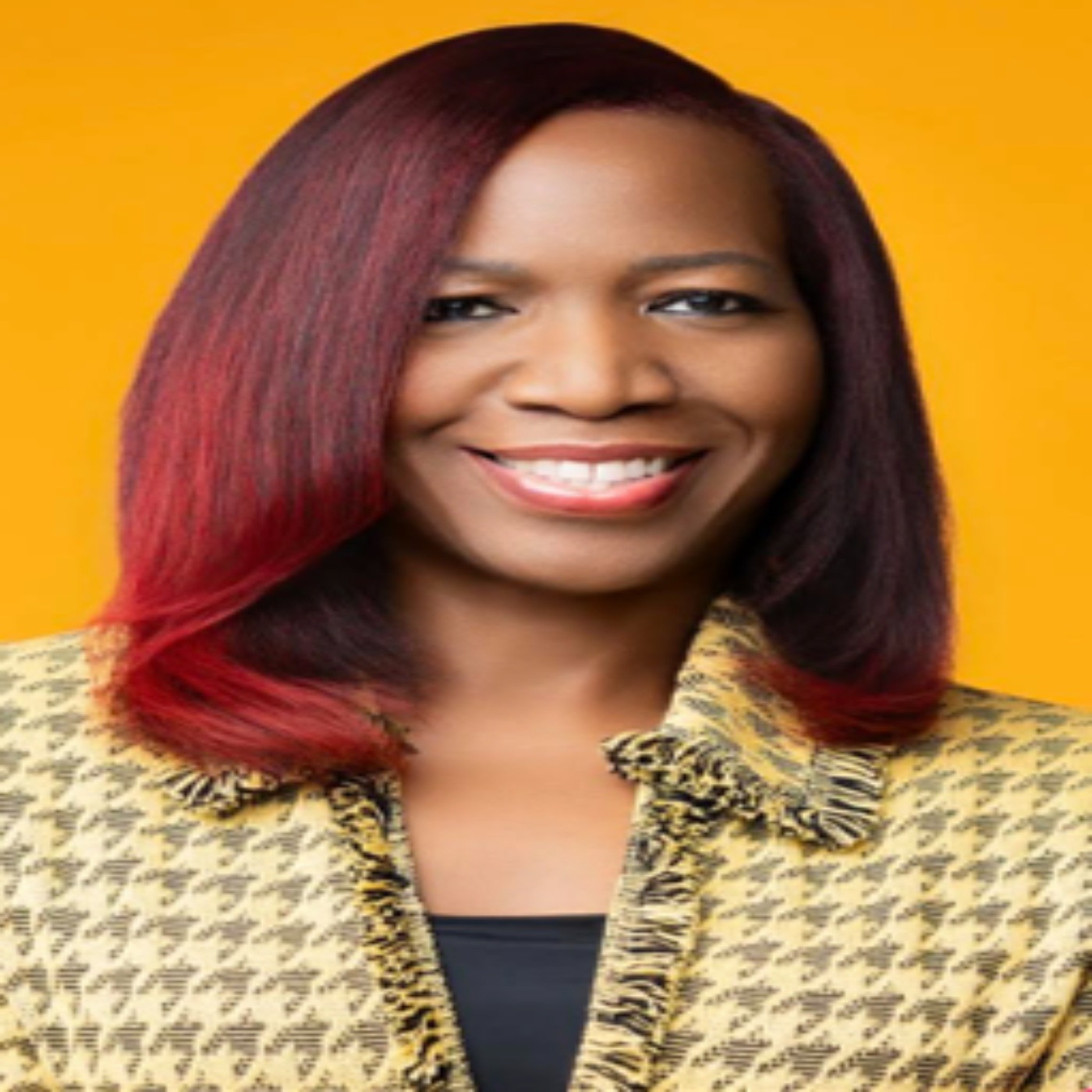
To truly understand the mechanics of self-leadership and overcoming imposter syndrome, we need to look to someone who has navigated the highest levels of the corporate world. Michelle Clarkson is an Executive Leadership Strategist, Professional Speaker, and the Founder and CEO of Meaningful Moments of Power. With more than 25 years of corporate leadership experience—including two decades embedded within Honeywell—Michelle knows what it means to carry heavy organizational responsibilities.
During her tenure at Honeywell, Michelle led large-scale global teams, spearheaded customer experience operations, drove continuous improvement initiatives, and orchestrated massive organizational transformations. She has sat in the rooms where critical strategic decisions are made. But what makes Michelle's perspective so unique is her transition from managing massive corporate systems to developing leaders from the inside out. Today, she works closely with high-achieving professionals—particularly women—who are ready to strengthen their self-trust, sharpen their voice, establish unshakeable boundaries, and elevate their decision-making.
The Root of Imposter Syndrome in High-Achieving Leaders
It is a paradox of modern leadership that the most capable, driven, and successful individuals are often the ones suffering most acutely from imposter syndrome. When you care deeply about your impact, set high standards, and constantly push the boundaries of what you can achieve, the gap between where you are and where you want to be can feel like a chasm.
Many high achievers unconsciously tie their self-worth to external metrics: promotions, titles, public praise, quarterly metrics, and the approval of superiors. When your validation comes exclusively from the outside, you become structurally fragile. Every new challenge feels like a referendum on your worthiness. If a project fails or a stakeholder pushes back, your internal narrative immediately defaults to self-doubt. You begin to second-guess your authority, over-prepare for simple conversations, and dilute your executive presence because you are waiting for someone else to hand you a permission slip to lead.
The core issue is not a lack of competence; it is a deficit of self-trust. We have been conditioned to look outward for validation when the very nature of leadership demands that we look inward for conviction.
The Philosophy of 'Permission Granted': Leading Yourself First
This brings us to the signature philosophy that Michelle Clarkson champions in her work: "Permission Granted: Lead Yourself First." Most aspiring and even seasoned leaders fall into the trap of waiting. They wait for the official title, the mentor's nod of approval, the C-suite's explicit blessing, or the vanishing of all self-doubt before they step fully into their power.
Michelle’s philosophy challenges this passive approach entirely. The premise is simple yet profoundly disruptive: you must stop waiting for external permission. No one is going to walk into your office and hand you a certificate that magically erases your imposter syndrome and declares you ready. You have to grant that permission to yourself.
Leading yourself first means recognizing that how you manage, talk to, and govern your own mind directly impacts everything and everyone you lead. If you do not trust your own voice, your team will sense that hesitation. If you constantly second-guess your executive decisions, your organization will stall out in ambiguity. True leadership is an inside job. When you grant yourself permission to take up space, make mistakes, and trust your instincts, you instantly change the energetic baseline of your leadership.
Building Unshakable Self-Trust and Executive Decision-Making
How do we move from intellectualizing self-trust to actually living it? Building unshakable self-trust requires intentional daily practice. It starts with auditing your decision-making process. How often do you run a decision by five different colleagues not because you need their expertise, but because you are terrified of taking sole ownership of the outcome?
Executive decision-making requires comfort with ambiguity and a willingness to be wrong. When you build self-trust, you stop viewing missteps as evidence of your inadequacy and start viewing them as data points in your leadership journey. You learn to listen to your intuition—that quiet, steady inner voice that high achievers often override with chronic over-analysis.
To strengthen this muscle, Michelle emphasizes the importance of boundaries. Boundaries are not merely defensive walls to keep people out; they are proactive declarations of how you will operate, protect your energy, and direct your focus. When you set firm boundaries, you signal to yourself and others that your time, expertise, and leadership are valuable.
How Internal Self-Leadership Transforms Global Teams
It is easy to view self-leadership as a purely selfish or isolated pursuit, but the opposite is true. Self-leadership is the ultimate catalyst for team transformation. Having spent decades leading large-scale global teams across complex organizational landscapes, Michelle Clarkson understands that a leader's internal state sets the operational weather for the entire department.
Consider the psychological safety of a team whose leader is crippled by imposter syndrome. A leader plagued by self-doubt often swings between micromanagement (out of fear of losing control) and disengagement (out of fear of being exposed). They may react defensively to constructive feedback or shy away from making bold strategic pivots because they are protecting their ego.
Conversely, a leader who has practiced 'Permission Granted' brings a grounded, calm, and visionary presence to their global teams. When you lead yourself with compassion and clarity, you create an environment where your team feels safe to innovate, take risks, and speak truth to power. Your confidence gives them permission to step up as well. Organizational transformation does not trickle down from rigid corporate policies; it radiates outward from the self-aware, grounded leader at the helm.
Practical Steps to Stop Second-Guessing Your Authority
If you are ready to dismantle your internal imposter syndrome and step fully into your executive authority, you need practical, repeatable strategies. Here is how you can begin applying Michelle Clarkson’s framework today:
1. Conduct a Validation Audit
For the next week, pay close attention to when you seek approval from others before taking action or sharing an opinion. Ask yourself: "Am I looking for genuine collaboration here, or am I just looking for someone else to take the blame if this goes sideways?" Catching yourself in the act of outsourcing your authority is the first step toward reclaiming it.
2. Rewrite Your Inner Dialogue
Imposter syndrome thrives in the shadows of harsh self-criticism. When you hear that internal voice whisper that you aren't qualified, pause and deliberately counter it with evidence of your track record, your resilience, and your lived experience. You didn't end up in your position by accident; acknowledge the competence that brought you here.
3. Practice Making Low-Stakes Decisions Decisively
Decision fatigue often fuels second-guessing. Practice making swift, unhesitating decisions on smaller matters throughout your day. Trust your gut instinct without consulting a committee. By building confidence in low-stakes environments, you train your brain to rely on your executive judgment when high-stakes moments arrive.
4. Issue Yourself a Formal Permission Slip
Literally or figuratively, write down what you have been waiting for permission to do. Are you waiting to pitch a bold new initiative? Waiting to establish a firmer boundary around your work hours? Waiting to speak up more assertively in leadership meetings? Write it down, sign your own name at the bottom, and grant yourself the permission you need.
Conclusion: Granting Yourself the Power to Lead
The journey from high-achieving professional to grounded, impactful executive is paved with the courage to stop waiting. Imposter syndrome tells you that you are an imposter, but reality tells a very different story: you are a capable, experienced leader who has earned your seat at the table. The only thing missing is your own internal authorization to lead from a place of authenticity and strength.
Michelle Clarkson’s philosophy of 'Permission Granted' reminds us that we hold the keys to our own confidence. When you stop looking outward for validation and start leading yourself first, your entire professional landscape shifts. You stop second-guessing your authority, you elevate your decision-making, and you create an environment where those you lead can truly thrive.
To dive even deeper into this transformative conversation, hear personal stories from the corporate trenches, and learn more strategies for silencing your inner critic, make sure to listen to our full episode: Permission Granted: How to Stop Second-Guessing Your Leadership with Michelle Clarkson. It's time to stop waiting—grant yourself permission to lead today.
Rewriting the Rules of Wellness: My 105-Pound Journey from CNO to CEO