
 Apple Podcasts
 Spotify
 Amazon Music
 PocketCasts
 iHeartRadio
 Pandora
 Music as Medicine: Sound Healing and Sonic Journeys with Raphael Groten
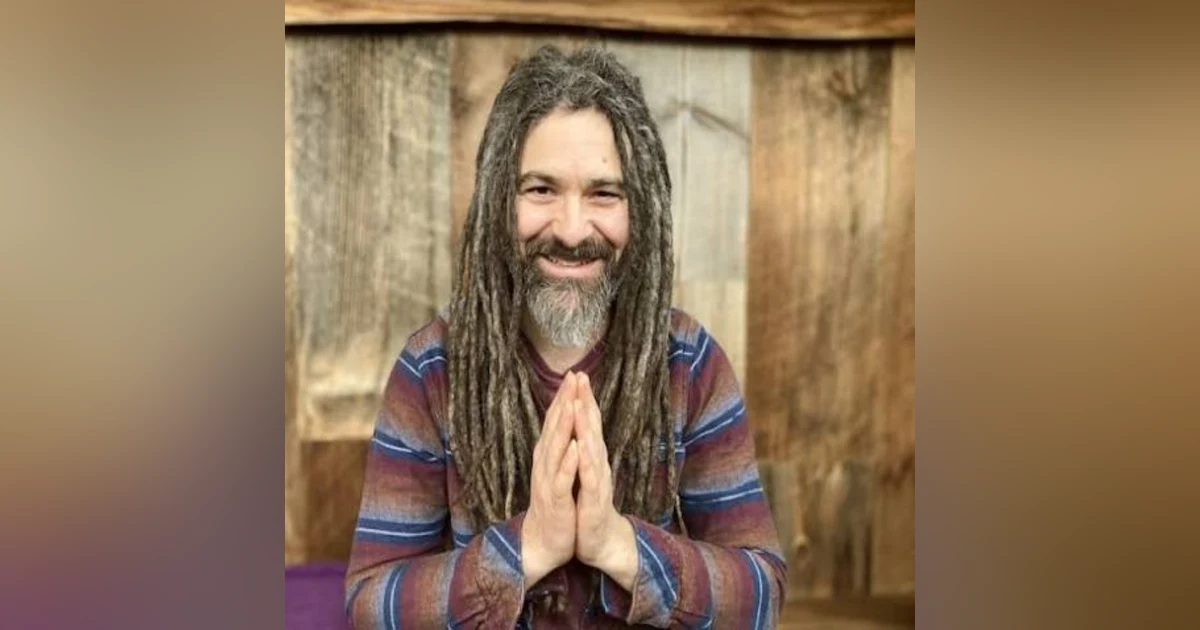
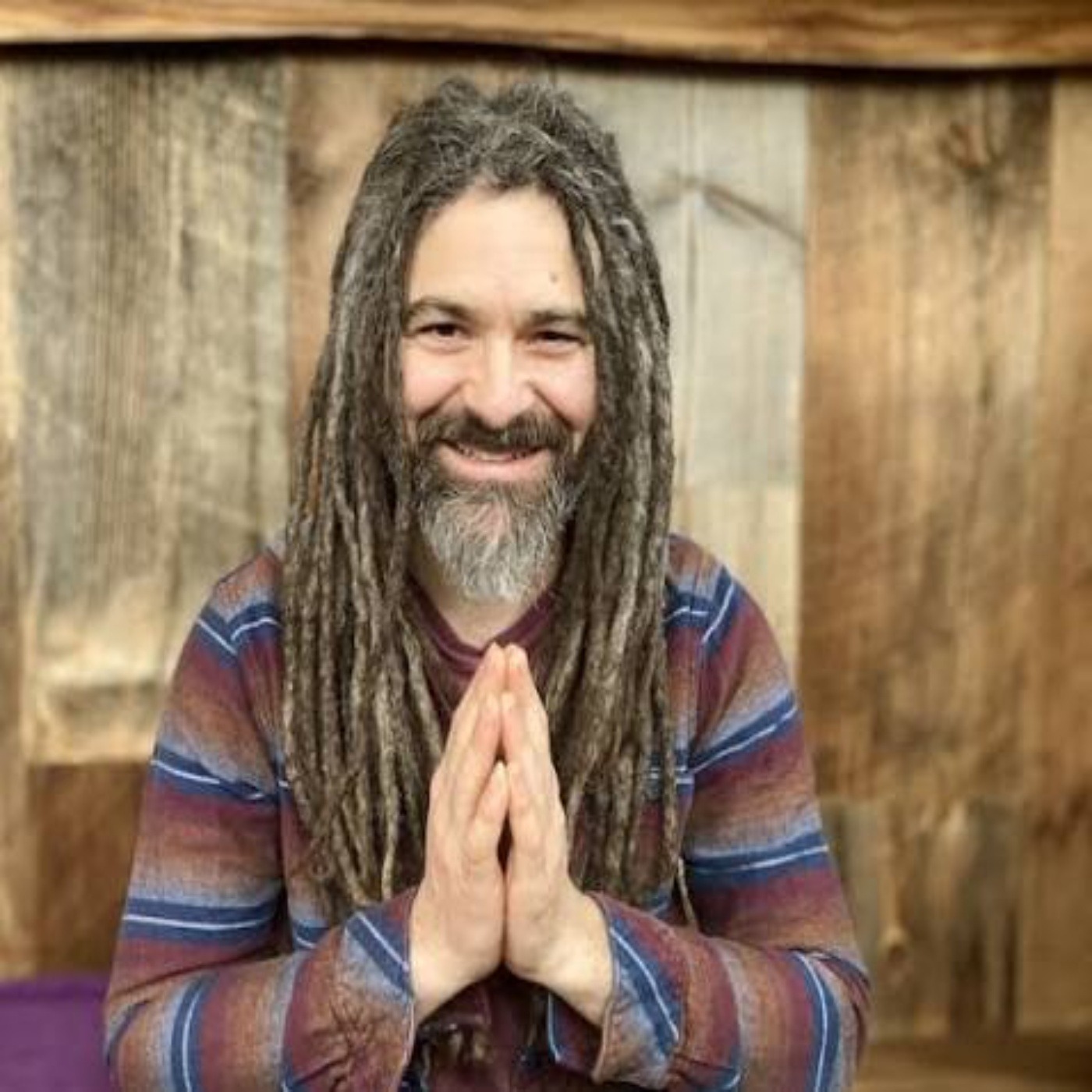
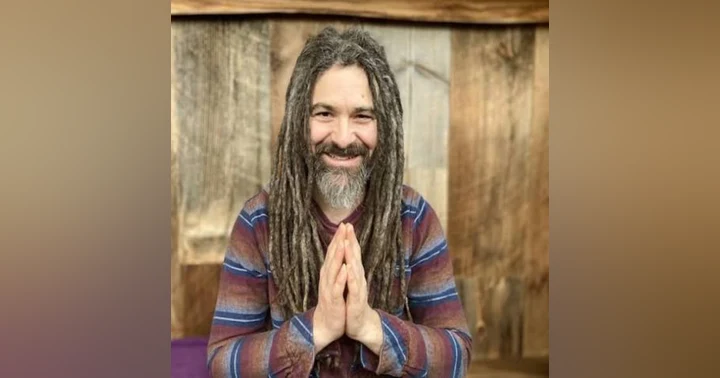
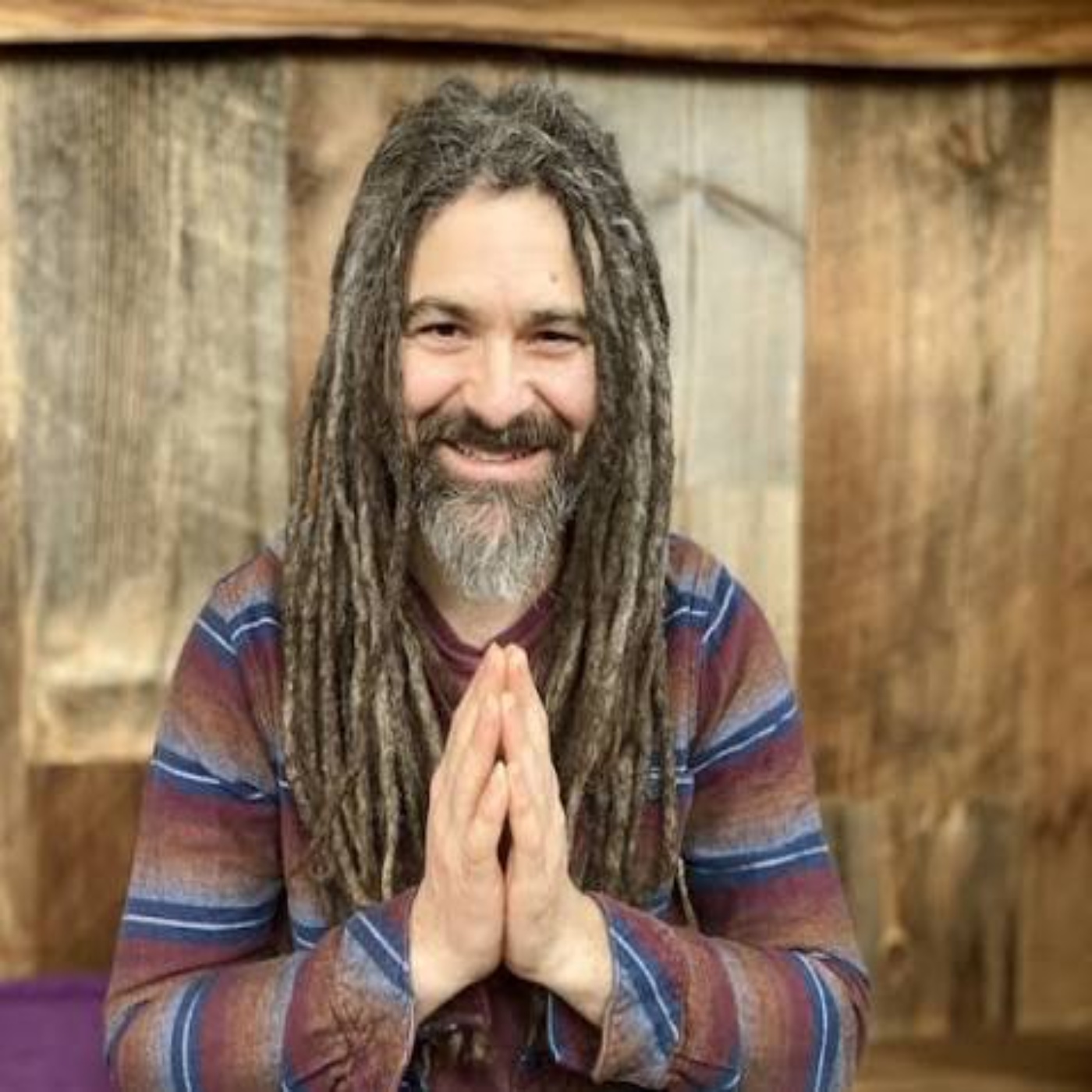
Raphael Groten is an acclaimed Vermont-based multi-instrumentalist, composer, and sound healing artist dedicated to the philosophy of "music as medicine." His genre-defying career spans over three decades, encompassing meditative ambient soundscapes, lively children’s music, and soulful collaborative projects.
His professional recording journey took a pivotal turn when his solo acoustic guitar debut, Journey Home, was produced by Grammy-winning Windham Hill Records founder Will Ackerman. Since then, Raphael has released a diverse catalog of music, including the #1 radio-charting native flute album Great Blue, the "world medicine groove" project Potential, and a deep-funk collaboration with his son under the moniker Leo & the Goat.
As a veteran music educator and sound therapist, Raphael creates from his off-the-grid tiny home on wheels in Vermont. He utilizes global instruments—from acoustic guitars and native flutes to handpans and gongs—to craft intentional audio journeys that reduce stress, inspire self-discovery, and cultivate deep inner peace.
Support this podcast at — https://redcircle.com/the-t-r-o-n-podcast/donations
Advertising Inquiries: https://redcircle.com/brands
Privacy & Opt-Out: https://redcircle.com/privacy
00:01.502 --> 00:03.384
[SPEAKER_00]: the power of music as healing.
00:03.824 --> 00:09.469
[SPEAKER_00]: It's a great tool, but sometimes we overlook it because we're so used to having it in our lives.
00:09.789 --> 00:20.618
[SPEAKER_00]: But we don't realize just how magical listening to an instrument can get you through the toughest times of life, challenges, and everything else that comes with it along the way, accusing the blue beauty of life.
00:20.758 --> 00:23.700
[SPEAKER_00]: And I have today, multi-town to musician, Raphael Grott.
00:23.780 --> 00:24.501
[SPEAKER_00]: Thank you very much.
00:26.062 --> 00:27.243
[SPEAKER_01]: Thanks for having me, Michelle.
00:27.843 --> 00:29.285
[SPEAKER_00]: It's an honor and pleasure today, sir.
00:32.787 --> 00:33.508
[SPEAKER_01]: Never been better.
00:33.988 --> 00:37.831
[SPEAKER_01]: I think it's just beautiful gift and I'm feeling really blessed.
00:38.532 --> 00:41.774
[SPEAKER_00]: You know, it's always good jealous of people who play instruments, right?
00:41.794 --> 00:49.720
[SPEAKER_00]: Because it's the one magical power that like, it doesn't matter how tall you are, it doesn't matter, you know, where you came from.
00:50.080 --> 00:57.826
[SPEAKER_00]: Somebody can speak a completely different language and it's like they should just sync up and play right together with one another.
00:58.087 --> 01:01.269
[SPEAKER_00]: And there's very few things that bring together people better than the beauty of music.
01:04.776 --> 01:06.217
[SPEAKER_01]: background in music.
01:06.297 --> 01:08.598
[SPEAKER_01]: Wow, um, how much time we got?
01:08.638 --> 01:08.938
[SPEAKER_01]: We got 20.
01:09.178 --> 01:10.298
[SPEAKER_01]: Yeah.
01:11.599 --> 01:13.120
[SPEAKER_00]: Well, the condensed version, right?
01:13.140 --> 01:25.865
[SPEAKER_01]: The condensed version, you know, I grew up in a musical family and Kipsy, New York at right outside the city and was surrounded by my father playing harpsichord, a large vinyl
01:32.749 --> 01:58.726
[SPEAKER_01]: I'm very much in the folk tradition brought that into my consciousness early on kind of grew up in Pete Seegerland, the folk music was really revived in the 60s and so my mom came out of that tradition and my father had a sort of jazz and classical and I just was placed in the family where we would sing at family gatherings in the car we were always listening to music
02:00.622 --> 02:03.424
[SPEAKER_01]: developed an early love for music, right?
02:03.504 --> 02:15.054
[SPEAKER_01]: And we would, uh, we would often harmonize and talk about the music, we'd have dinner music or just regular music throughout the day.
02:15.694 --> 02:15.894
[SPEAKER_00]: Right.
02:15.934 --> 02:16.995
[SPEAKER_01]: But well, that grew.
02:17.015 --> 02:18.837
[SPEAKER_01]: I started to want to play.
02:19.597 --> 02:21.499
[SPEAKER_01]: And my first instrument was saxophone.
02:22.099 --> 02:23.180
[SPEAKER_01]: Beautiful and fourth grade.
02:23.380 --> 02:25.782
[SPEAKER_01]: And then I went on to pick up the guitar when I was about 13.
02:27.186 --> 02:32.207
[SPEAKER_01]: This is about 40 years ago that for those of them.
02:32.227 --> 02:33.427
[SPEAKER_01]: I never put the guitar down.
02:33.447 --> 02:37.468
[SPEAKER_01]: I eventually did put the sax down for about 25 years, although I picked it back up.
02:38.289 --> 02:53.292
[SPEAKER_01]: As I go deeper into playing my acoustic guitar and songwriting, and then I got the college, I went into Latin jazz and more jazz studies, world music, after Cuban Brazilian music, started to have bigger bands.
02:53.912 --> 02:54.112
[SPEAKER_00]: Right.
02:57.875 --> 03:00.877
[SPEAKER_01]: And that, forget, put sort of a slow down on everything.
03:01.277 --> 03:03.258
[SPEAKER_01]: But that didn't try acoustic guitar.
03:04.779 --> 03:18.328
[SPEAKER_01]: And really, what hit me the hardest was when my son, my younger son, had a near death accident when he was about six months old.
03:18.728 --> 03:19.488
[SPEAKER_00]: Oh, my goodness.
03:19.869 --> 03:20.529
[SPEAKER_00]: I read about that.
03:20.549 --> 03:22.070
[SPEAKER_00]: I certainly wasn't going to ask about that.
03:22.810 --> 03:25.212
[SPEAKER_01]: Well, I, I went to share it because it's profound.
03:27.898 --> 03:32.461
[SPEAKER_01]: Um, he was taken by a drunk driver under the car, seven tenths of a mile.
03:33.421 --> 03:38.544
[SPEAKER_01]: Oh, my gosh, I know it's, it's, it's shocking.
03:38.864 --> 03:42.626
[SPEAKER_01]: He was in his infant car carry your seat, okay, just sitting on the ground.
03:42.786 --> 03:46.048
[SPEAKER_01]: And for that's been a too much time when I can tell you it was a home.
03:47.569 --> 03:48.930
[SPEAKER_01]: We lost sight of him.
03:49.110 --> 03:51.031
[SPEAKER_01]: We didn't know where he, the car had driven.
03:51.051 --> 03:53.412
[SPEAKER_01]: Oh, my, he's 25 now is healthy.
03:55.680 --> 04:21.537
[SPEAKER_01]: Yes, and scars from the burns that he received, he spent a night in intensive care, and then that night I brought in my guitar, I mean, here's my son, a sport and a half months old, just to see that we didn't know how he was going to do, and I just played the guitar for him, and the first chord, through the morphine throughout anything he opened up his eyes, and he smiled at me.
04:22.861 --> 04:41.096
[SPEAKER_01]: And I knew he was going to be okay, I knew he was going to be okay and I saw that like he'd grown up with me in the guitar and he was comforting Tim and I sat with him and I played well the next day he got his own room and we had a therapeutic
04:53.021 --> 04:57.802
[SPEAKER_01]: We were all there and this Harper started playing and we just started crying.
04:58.342 --> 04:58.742
[SPEAKER_00]: Of course.
04:58.762 --> 05:03.623
[SPEAKER_01]: Of course.
05:05.163 --> 05:07.584
[SPEAKER_00]: And there's no words that need to be spoken, right?
05:07.704 --> 05:10.024
[SPEAKER_00]: It just sort of just comes organically.
05:10.084 --> 05:14.505
[SPEAKER_00]: Obviously it's your son but notwithstanding once you realize the power of what she was doing.
05:14.865 --> 05:16.886
[SPEAKER_00]: And you could pick up the notes right where she was.
05:17.546 --> 05:20.187
[SPEAKER_00]: The room got red without a word being spoken.
05:22.845 --> 05:39.796
[SPEAKER_01]: And that is when I realized the power of music to heal, because I felt sort of through this experience, I myself sort of have a consciousness shift if you will, recognizing the value of life, the sanctity of life, the beauty of life to be value.
05:40.257 --> 05:42.098
[SPEAKER_01]: We never know when it's going to be taken from.
05:42.398 --> 05:45.200
[SPEAKER_00]: Not one, but not one, but and the plant.
05:45.620 --> 05:48.622
[SPEAKER_00]: Yeah, it's always funny when we plan, right, because
05:52.706 --> 05:55.817
[SPEAKER_00]: with the idea that we're going to be there to actually do them.
05:56.423 --> 06:24.282
[SPEAKER_00]: right with the and it's weird because it you all it's the weirdest thing in the world like here you are with your four four and a half month old son the world's ahead of him and then in an instant your world comes crashing down right and if for some reason we seem to forget about that mortality until something bad happens and then two weeks later we're back to our normal everyday selves and it all it's the weirdest dichotomy in the world you live for the moment you plan ahead but knowing that it could always be taken away to give a moment
06:25.718 --> 06:27.900
[SPEAKER_01]: Yeah, and that awareness kind of stuck with me.
06:28.580 --> 06:31.723
[SPEAKER_01]: I didn't slip back into my old self.
06:32.123 --> 06:43.072
[SPEAKER_01]: I was changed that day, since then, I recognize in a different way how important it is to be grateful, of course, yeah, that we have.
06:43.132 --> 06:54.121
[SPEAKER_00]: Of course, of course, you know, so what I find fascinating and first of all, thank goodness your son is doing well from that incident, and obviously living a very fruitful and joyful life.
06:54.814 --> 06:57.756
[SPEAKER_00]: What the, how many instruments to you actually play?
07:00.157 --> 07:02.118
[SPEAKER_01]: I play anything I can get my hands on.
07:02.358 --> 07:02.939
[SPEAKER_00]: That's amazing.
07:03.719 --> 07:05.680
[SPEAKER_01]: I'm not studied in a lot of them.
07:06.000 --> 07:08.121
[SPEAKER_01]: Like I doubt will be piano growing up.
07:08.141 --> 07:10.223
[SPEAKER_01]: But I never studied it.
07:11.083 --> 07:17.286
[SPEAKER_01]: So it's hard and ukulele and cover Kenya, which is sort of a Brazilian ukulele.
07:18.830 --> 07:34.018
[SPEAKER_01]: Other string instruments that I can get my hands on my plates because of my saxophone a background I picked up the native flute 20 something years ago and so on and a lot of percussion I'll play
07:34.878 --> 07:39.181
[SPEAKER_01]: my table if it sounds good in the next to get it for the strum.
07:39.661 --> 07:40.862
[SPEAKER_01]: I'll play myself a way.
07:41.202 --> 07:42.323
[SPEAKER_00]: Yeah, it's okay.
07:43.004 --> 07:44.425
[SPEAKER_01]: Yeah, it's good.
07:44.525 --> 07:44.705
[SPEAKER_01]: Yeah.
07:44.765 --> 07:51.749
[SPEAKER_00]: But you know, and what what advantages and this has come from somebody who does it play instruments but has kids that do.
07:52.330 --> 07:56.933
[SPEAKER_00]: What is it about picking it up at an early age as opposed to trying to learn?
07:56.953 --> 07:57.673
[SPEAKER_00]: Because sometimes
07:58.614 --> 08:01.295
[SPEAKER_00]: your mind is so openly curious as a kid.
08:01.895 --> 08:04.696
[SPEAKER_00]: You can just plow through it or be self taught.
08:05.036 --> 08:06.536
[SPEAKER_00]: So two questions, really.
08:06.576 --> 08:13.738
[SPEAKER_00]: Number one, what is it like being self taught and kind of learning that, okay, I have to do this better or maybe you're on worse critic.
08:14.178 --> 08:17.639
[SPEAKER_00]: And then the second is what age is the best to try to pick up music?
08:19.139 --> 08:21.340
[SPEAKER_01]: Yeah, I see the earlier and the the better.
08:24.143 --> 08:30.888
[SPEAKER_01]: My partner Rebecca, who you can hear, playing the violin on our album Unity, great start and she was four.
08:31.649 --> 08:32.189
[SPEAKER_01]: Wow.
08:32.209 --> 08:36.112
[SPEAKER_01]: So when you start playing at that age, you develop a connection with the instrument.
08:36.132 --> 08:40.295
[SPEAKER_01]: There's so much more pure, almost like learning the language, how to speak.
08:41.216 --> 08:46.500
[SPEAKER_01]: You know, you try to learn the language when we get older, our brains just aren't working and absorbing in the same way.
08:47.165 --> 08:55.950
[SPEAKER_00]: I think we get more self-critical too because then you start looking around you a little bit like to see it, you know, hey, I'm the old of age, certain person playing this.
08:56.631 --> 08:58.932
[SPEAKER_00]: Maybe I shouldn't be in here kind of a deal, right?
08:59.673 --> 09:11.440
[SPEAKER_01]: Yeah, you know, I read a book called The Music Teacher by these players for ballet, who's a wooden victim,
09:12.818 --> 09:18.548
[SPEAKER_01]: And if you, it's cool book that he talks about how when he was young, they would just play.
09:19.930 --> 09:21.793
[SPEAKER_01]: And they would let the kids play with them.
09:22.174 --> 09:25.499
[SPEAKER_01]: And it was childhood allowed to play because that's how we get better.
09:25.519 --> 09:26.020
[SPEAKER_01]: That's how we...
09:26.649 --> 09:50.209
[SPEAKER_01]: That's what we're learning to speak music right right it's really it's really good message to send everyone and it doesn't matter how old we get right why the great teachings I heard was you know someone saying when they're 50 like oh if I pick up the guitar now I'm not going to be any good until I'm like 65 right yeah yeah let go of that critical news and then recognize well you're going to be 65 one day anyway.
09:50.729 --> 09:51.329
[SPEAKER_01]: Right.
09:51.750 --> 09:52.230
[SPEAKER_01]: What happened?
09:52.250 --> 09:55.171
[SPEAKER_01]: You want to spend your time getting there exactly.
09:55.812 --> 10:00.574
[SPEAKER_00]: Yeah, and it's really tough because like I said, you know, you get more conscious.
10:00.594 --> 10:03.335
[SPEAKER_00]: You get more self-critical and then it becomes difficult.
10:03.355 --> 10:05.656
[SPEAKER_00]: Well, I shouldn't be learning this at a certain age.
10:05.676 --> 10:13.740
[SPEAKER_00]: You know, I take, you know, martial arts and it doesn't matter what age you came into the course to teach it as long as you're a willingly learning student as well too.
10:14.996 --> 10:21.819
[SPEAKER_01]: Yes, and also moving that focus from like being the best or being, you know, star to like the right.
10:21.919 --> 10:24.421
[SPEAKER_01]: I enjoy playing the guitar and it really doesn't matter.
10:24.441 --> 10:26.322
[SPEAKER_01]: It's just a great past time.
10:26.602 --> 10:35.846
[SPEAKER_00]: Of course, of course, now you have released eight albums and it looks like you had the you had an album that was number one great blue reach number one of the ZMR world play charts.
10:36.246 --> 10:37.307
[SPEAKER_00]: What was that feeling like.
10:39.026 --> 11:07.246
[SPEAKER_01]: You know, I always put this music out with the sense of I'm just putting it on the world and for me, it's always focused on healing and bringing healing states to people and so the feeling of knowing that enough people are listening to it and playing it that it reached number one on that, you know, small chart is comforting that I'm doing my job.
11:08.500 --> 11:21.110
[SPEAKER_01]: The more people are getting to experience what I see and see the needs of that album that reached it was actually a solo flute album, all native flute that I just wanted.
11:21.790 --> 11:28.376
[SPEAKER_01]: One day in my studio with just the flute and I picked up one, I just played and it was all improvised.
11:29.016 --> 11:33.780
[SPEAKER_01]: So that that that made it to the top was actually surprising.
11:34.560 --> 11:46.467
[SPEAKER_00]: Yeah, I'm going to say this is part of my musical ignorance, but isn't the flu probably or a variation of it that like the oldest musical instrument that's a bit that for my understanding and maybe I'm totally wrong.
11:47.068 --> 11:47.728
[SPEAKER_01]: That's what I think.
11:47.768 --> 11:48.729
[SPEAKER_01]: That's the question.
11:49.229 --> 11:50.670
[SPEAKER_01]: And I don't know.
11:51.130 --> 11:51.931
[SPEAKER_01]: That answer to that.
11:51.971 --> 11:52.911
[SPEAKER_01]: I do research it.
11:53.031 --> 11:57.114
[SPEAKER_01]: I know there's a really old single string instruments.
11:57.574 --> 11:57.814
[SPEAKER_00]: Right.
11:58.054 --> 11:59.535
[SPEAKER_01]: And I've tried that the flu.
12:00.016 --> 12:02.317
[SPEAKER_01]: I mean, it depends what culture we're in.
12:02.417 --> 12:03.498
[SPEAKER_01]: That's that's the thing.
12:04.462 --> 12:05.083
[SPEAKER_01]: a research.
12:05.143 --> 12:06.064
[SPEAKER_01]: I'm interested in that.
12:06.104 --> 12:10.888
[SPEAKER_01]: Like what is really suspected to be the first?
12:10.908 --> 12:11.589
[SPEAKER_01]: Yeah, back to you.
12:12.109 --> 12:17.414
[SPEAKER_00]: Yeah, because, and yeah, like I'm, you know, maybe it's, you know, maybe I was like, maybe the guys are living with a period, so to speak, right?
12:17.434 --> 12:21.578
[SPEAKER_00]: Because, you know, like people have always played something throughout the course of history, right?
12:21.978 --> 12:22.659
[SPEAKER_00]: And so, you know,
12:23.199 --> 12:38.146
[SPEAKER_00]: Where to to your point is an ancient Persian culture is an ancient Chinese culture is a summer So everybody can kind of like that's better instead for the historians because a lot of places can lay claim to who was the first one to you know You know have that prometheus moment kind of a deal, right?
12:39.951 --> 12:44.993
[SPEAKER_00]: So, you know, let's talk about like when you took holistic health courses as well too.
12:45.333 --> 12:47.694
[SPEAKER_00]: So in 1993, you met your first trauma teacher.
12:48.035 --> 12:52.817
[SPEAKER_00]: And then obviously you had the incident that happened nine years later with your son and thank goodness everything's okay.
12:53.277 --> 12:56.438
[SPEAKER_00]: What's the holistic approach like and what was can we get into that a little bit?
12:57.399 --> 12:57.759
[SPEAKER_01]: Sure.
12:58.159 --> 12:58.599
[SPEAKER_01]: Well, in 1993,
13:01.943 --> 13:05.846
[SPEAKER_01]: It was a different sort of landscape of understanding alternative medicine.
13:06.647 --> 13:13.932
[SPEAKER_01]: So I grew up, my father was a radiologist, his doctor, and I grew up in that sort of Western medicine mode.
13:15.714 --> 13:21.598
[SPEAKER_01]: Always curious, though, in the other older ways of medicine.
13:22.118 --> 13:25.761
[SPEAKER_01]: So when I got to school, a friend said, hey, you should take this holistic health class.
13:25.801 --> 13:28.243
[SPEAKER_01]: It's super cool, the class is going to take.
13:30.998 --> 13:49.390
[SPEAKER_01]: And we had different speakers coming throughout the course of the class from, you know, macrobatic chef to a channeler to the Shimano teacher who was on a journey to me, a Patronimal, more atotum, as many people might understand.
13:50.291 --> 13:57.576
[SPEAKER_01]: This course opened my mind to recognize that an acupuncture, this is a
13:59.032 --> 14:01.614
[SPEAKER_01]: This is a science of over 5,000 years, at the puncture.
14:02.034 --> 14:08.179
[SPEAKER_01]: When my father went to an AFI puncture's the first time, he looked at me and he said, good AFI puncture, look at my problems and said, look, I know your doctor, you're gonna ask me how it works.
14:08.199 --> 14:09.459
[SPEAKER_01]: He said, my family's been doing this for 500 years.
14:09.479 --> 14:10.180
[SPEAKER_01]: Don't ask me how it works.
14:10.200 --> 14:20.147
[SPEAKER_01]: Ha ha ha ha ha ha ha ha ha ha ha ha ha ha ha ha ha ha ha ha ha ha ha ha ha ha ha ha ha ha ha ha ha ha ha ha ha ha ha ha ha ha ha ha ha ha ha ha ha ha ha ha ha ha ha ha ha ha ha ha ha ha ha ha ha ha ha ha ha ha ha ha ha ha ha ha ha ha ha ha ha ha ha ha ha ha ha ha ha ha ha ha ha ha ha ha ha ha ha ha ha ha ha ha ha ha ha ha ha ha ha ha ha ha ha ha ha ha
14:20.817 --> 14:35.402
[SPEAKER_00]: Yeah, I think sometimes people, when they hear things like that, because there's, and I'm not knocking modern medicine, God knows I'm not a doctor, but there's something that people's minds are programmed to the conventional, right?
14:35.562 --> 14:44.025
[SPEAKER_00]: And so one of the reasons I made this show is to talk to people like yourselves is that, you know, there's not some, you know, boogeyman about learning
14:48.807 --> 14:48.988
[SPEAKER_00]: Right.
14:49.008 --> 14:50.731
[SPEAKER_00]: We're not in the scientific experiment.
14:50.751 --> 14:59.305
[SPEAKER_00]: We're not, you know, Frankensteining ourselves, but knowing that there are other ways to have a better approach to your own health can't be a negative thing.
15:00.707 --> 15:01.268
[SPEAKER_01]: Absolutely.
15:01.308 --> 15:02.831
[SPEAKER_01]: And I've always been a proponent of.
15:03.255 --> 15:05.296
[SPEAKER_01]: Let's not throw Western medicine out.
15:05.316 --> 15:05.997
[SPEAKER_01]: Let's use it.
15:06.037 --> 15:09.059
[SPEAKER_01]: When we need to get there, we get there.
15:09.179 --> 15:14.222
[SPEAKER_01]: Surgery, certain drugs, when it antibiotics, what a gift.
15:14.282 --> 15:14.482
[SPEAKER_01]: Right.
15:14.822 --> 15:15.482
[SPEAKER_01]: Absolutely.
15:15.943 --> 15:26.249
[SPEAKER_01]: As often as the culture does, I go to a naturopathic doctor who goes through all of the other aspects of medicines before we reach those like, oh,
15:26.728 --> 15:30.069
[SPEAKER_01]: We really got to use the pull out of the big guns.
15:30.609 --> 15:36.210
[SPEAKER_00]: Right, right, exactly, right, because, you know, if you just were to, and at the end of the day, it's your body, right?
15:36.230 --> 15:46.412
[SPEAKER_00]: And so if you're going to say, you're going to cut me open, replace something, you know, it's a modern medicine to be able to, it's a miracle and what they do and what they've accomplished and the skills that they possess.
15:47.112 --> 15:52.613
[SPEAKER_00]: That being said, it's your body to be able to sit back and say, do I really want to actually have that happen to me?
15:52.633 --> 15:55.014
[SPEAKER_00]: I'm not talking about cancer, heart attack, heart surgery.
15:55.414 --> 16:06.120
[SPEAKER_00]: But if there are ways with yoga and physical therapy and proper, like you said, acupuncture to avoid certain deep, long lasting surgeries, that can only be a positive.
16:07.661 --> 16:11.763
[SPEAKER_01]: Indeed, I think we're learning a lot to along the way.
16:11.863 --> 16:14.324
[SPEAKER_01]: It's not just diet and exercise and sleep.
16:14.985 --> 16:18.266
[SPEAKER_01]: We've known that for a long time and if we practice that great, we're going to feel
16:25.488 --> 16:30.611
[SPEAKER_01]: an alternative medicine path is the placebo effect.
16:31.052 --> 16:40.197
[SPEAKER_01]: And I don't mean open up can of worms, but I just love the placebo effect because what it shows us is the power of belief and the power of mine, right?
16:40.878 --> 16:47.402
[SPEAKER_01]: We did, you know, you have to beat the placebo in clinical trials to be approved by the FDA.
16:48.184 --> 16:53.887
[SPEAKER_01]: this is known to be like the most powerful thing and yet it's the power of our mind.
16:54.187 --> 16:56.808
[SPEAKER_01]: There was a doctor who did knee surgeries.
16:56.848 --> 17:07.433
[SPEAKER_01]: He was really famous and he did a blind study where half of his patients he just cut them up and he did the knee surgery and they you know they had a certain
17:07.877 --> 17:18.361
[SPEAKER_01]: percentage of recovery and the other half of this study, he literally just sliced their knee in incision and then started back up and the family's new and you know how they had permission.
17:19.021 --> 17:21.882
[SPEAKER_01]: And these people healed at the same rate.
17:22.203 --> 17:22.603
[SPEAKER_00]: Right.
17:22.723 --> 17:24.163
[SPEAKER_00]: Right.
17:24.664 --> 17:24.964
[SPEAKER_00]: Right.
17:25.264 --> 17:26.844
[SPEAKER_00]: It was the idea of having the precision.
17:28.185 --> 17:31.246
[SPEAKER_01]: And they believed in the doctor and he was very successful doctor.
17:31.466 --> 17:34.467
[SPEAKER_01]: So how can we harness this consciously?
17:34.607 --> 17:36.028
[SPEAKER_01]: This is one of what am I like?
17:37.133 --> 17:42.362
[SPEAKER_01]: Real inspiration, it's like the more we understand that our beliefs.
17:43.104 --> 18:10.081
[SPEAKER_00]: Yes, yes, yes, yes, and you know and the thing is about it is is to circle back to your musical career and to circle back to music as a whole Music can put you in that nice harmonic space as well, too Right, I can't tell you you know, I'm far from elite athlete, but there's something about music where it can make you cry You know, you know, I'm like, you know, I there's a really a really great movie, but it's called the thin red line
18:10.761 --> 18:28.270
[SPEAKER_00]: And it has, I cannot remember for the life of me, the name of the song, but it was like this chanting, I don't want to say religious, but it had religious themes, you know, of like, you know, it was about World War II, they were in the Pacific, but if you ever get a chance to listen to this musical piece, it's like one of those ones where you're like, oh yeah, I'm ready to cry at this moment.
18:28.570 --> 18:33.412
[SPEAKER_00]: Because it just, you know, and it's, you know, even your younger, you kind of ashamed of it, right?
18:33.432 --> 18:37.234
[SPEAKER_00]: But as you're older, you'll be at YouTube, but look at this, it's making me kind of cheer up a little bit.
18:37.795 --> 18:37.875
[SPEAKER_00]: Or,
18:39.321 --> 18:54.856
[SPEAKER_00]: or the other movie, and also I call Circle Back to You, is I don't know if you've ever seen Ethan Hawke movie, Gatica, when he's going to, there's a movie where people are genetically engineered by their parents at a young age because society has deemed natural porn children as flawed.
18:55.356 --> 18:57.759
[SPEAKER_00]: So he was one of the naturally born children.
18:58.339 --> 18:58.579
[SPEAKER_00]: Right?
18:58.639 --> 19:02.900
[SPEAKER_00]: So he's still excelled at his given profession, just by all the obstacles in front of him.
19:02.920 --> 19:06.962
[SPEAKER_00]: Because it's very beautiful by a living piece that plays in that movie.
19:07.362 --> 19:11.783
[SPEAKER_00]: And again, it puts you in that certain mood of, man, this is ready to make you cry.
19:13.044 --> 19:15.724
[SPEAKER_01]: You know, there's, there's all sorts of science behind it.
19:16.105 --> 19:25.508
[SPEAKER_01]: How music affects our brain and how it affects our physiology and whether in the society or, you know, and some songs can make some people cry and others feel related.
19:27.152 --> 19:52.289
[SPEAKER_00]: it's magic it's really it really truly is and so you know I was looking at also did when you moved from New York to Vermont it said that you actually had to learn to slow down a little bit what was that like yeah well you know growing the kipsy it's just it's just a top stop on the Hudson line right now half north of the city so it's a lot of energy in Europe
19:57.524 --> 20:01.988
[SPEAKER_01]: 10, um, the, I don't know.
20:02.108 --> 20:03.129
[SPEAKER_01]: It's hard to explain.
20:03.149 --> 20:04.170
[SPEAKER_01]: You probably experienced this.
20:04.510 --> 20:09.434
[SPEAKER_01]: I don't know how it works, but you cross one border into one state or another, and then it starts to feel a little different.
20:09.855 --> 20:10.215
[SPEAKER_01]: Of course.
20:11.136 --> 20:11.436
[SPEAKER_01]: Of course.
20:11.456 --> 20:15.520
[SPEAKER_01]: I don't know how they did that in Vermont, but somehow.
20:15.880 --> 20:17.782
[SPEAKER_01]: When I got to Vermont, I was a ha,
20:18.483 --> 20:46.035
[SPEAKER_01]: Yeah, and it fits your personality and it fits your, you know, the nature, yes, it's in my personality more so than, and yeah, I grew up in this sort of fast pace, again, it's going to things being productive world and as I started to meet like farmers or sort of feel the general vibe of,
20:46.543 --> 21:14.541
[SPEAKER_01]: The Verma- the Verma- the Verma- the Verma- the Verma- the Verma- the Verma- the Verma- the Verma- the Verma- the Verma- the Verma- the Verma- the Verma- the Verma- the Verma- the Verma- the Verma- the Verma- the Verma- the Verma- the Verma- the Verma- the Verma- the Verma- the Verma- the Verma- the Verma- the Verma- the Verma- the Verma- the Verma- the Verma- the Verma- the Verma- the Verma- the Verma- the Verma- the Verma- the Verma- the Verma- the Verma- the Verma- the Verma- the Verma- the Verma- the Verma- the Verma- the Verma- the Verma- the Verma- the Verma- the Verma- the Verma- the Verma- the Verma
21:16.347 --> 21:19.428
[SPEAKER_01]: I don't feel less productive, but I feel more of that.
21:20.148 --> 21:20.928
[SPEAKER_00]: I understand that.
21:21.008 --> 21:28.450
[SPEAKER_00]: And at the end of the day, sometimes the environment that it will reflect the type of music that you make, right?
21:28.550 --> 21:31.951
[SPEAKER_00]: It will reflect the kind of mood that you are in.
21:32.111 --> 21:41.333
[SPEAKER_00]: And that's not a dish on anywhere in any particular area, but it just can bring out certain things in you that maybe another environment didn't because it matched who you were better.
21:45.873 --> 22:07.177
[SPEAKER_01]: And it's true, when you come, I'm going off on a tangent now, but when you look at the music from the different parts of the world, one fascinating thing I read once is that the music of India versus the music of England versus the music of North America, all focused on different scales as they developed throughout history.
22:07.897 --> 22:10.018
[SPEAKER_01]: And coincidentally or now,
22:11.262 --> 22:15.574
[SPEAKER_01]: those scales are also the scales that the birds of that region sing.
22:16.516 --> 22:17.258
[SPEAKER_00]: Oh my goodness.
22:18.040 --> 22:18.662
[SPEAKER_01]: I know it's like
22:20.148 --> 22:46.039
[SPEAKER_00]: So, wow, I don't know what that really means, whether the early composers were listening to the birds and they're tuning in or whether there's some other sort of frequency that... Yeah, it could be the elevation of where they're at, right, you know, it could be, you know, because depending on the location, depending on what animals are around you, the sounds they make, right, the temperature outside.
22:46.099 --> 22:47.880
[SPEAKER_00]: I mean, these are all things that,
22:48.899 --> 22:51.120
[SPEAKER_00]: musicians would just know, right?
22:51.220 --> 22:59.743
[SPEAKER_00]: Would just be able, like, you guys have, like, that spicy sense of things that the average person just does not, you know, have the luxury of being able to listen to in real time.
22:59.783 --> 23:06.045
[SPEAKER_00]: And it's a really a wonderful gift to be quite honest with you.
23:06.085 --> 23:07.126
[SPEAKER_01]: We all have our gifts.
23:08.026 --> 23:10.947
[SPEAKER_01]: And I believe, I want to send this message out.
23:11.027 --> 23:12.748
[SPEAKER_01]: We all can cultivate the
23:18.722 --> 23:37.273
[SPEAKER_01]: Sitting quietly with the music to enter a meditative state, listening more deeply, maybe, where we just sort of had it on the background for a while, feeling into how it's affecting us throughout our day, and then making those choices to go to the music that help us through
23:42.531 --> 23:51.757
[SPEAKER_00]: What where can people and I've always asked this and I will continue to ask this even if people say I say it a lot of my show They don't need me to find you, but where can people find you?
23:54.098 --> 23:57.260
[SPEAKER_01]: I have a website Raphael Grotten.com.
23:57.320 --> 24:06.466
[SPEAKER_01]: That's RAPH-AEL G-R-O-T-E-N Raphael Grotten.com is the main place where people find me.
24:06.486 --> 24:09.288
[SPEAKER_01]: I made a conscious choice to move away from social media
24:13.693 --> 24:18.817
[SPEAKER_01]: So through my website, you can link to Spotify, Amazon this thing.
24:19.238 --> 24:25.903
[SPEAKER_01]: My band can't page where you can hear all of my music for free before you decide to support me.
24:26.364 --> 24:27.345
[SPEAKER_00]: For sure.
24:27.385 --> 24:29.066
[SPEAKER_00]: That's a nice little tip, right?
24:29.106 --> 24:33.830
[SPEAKER_00]: So you know, that's a nice little segue into the support because we do want people to support you.
24:34.290 --> 24:39.595
[SPEAKER_00]: And you know, even though I don't play instruments and I didn't see a much less background in your, in your, uh,
24:40.248 --> 24:40.668
[SPEAKER_00]: resume.
24:40.728 --> 24:44.809
[SPEAKER_00]: I do find it great that you did Brazilian music because I want to talk about Capura.
24:44.949 --> 24:54.292
[SPEAKER_00]: I've never done Capura, but for people who are unfamiliar with it, it's the martial arts started as a dance from slaves and it's all meant to a worldwide renowned martial art.
24:54.692 --> 25:01.194
[SPEAKER_00]: And so the bridge between what is music versus another culture are really one in the same.
25:01.975 --> 25:03.595
[SPEAKER_01]: I love it.
25:03.715 --> 25:04.035
[SPEAKER_01]: I love it.
25:04.075 --> 25:05.716
[SPEAKER_01]: I actually studied a little Capura.
25:10.137 --> 25:10.417
[SPEAKER_00]: Yeah.
25:10.897 --> 25:11.077
[SPEAKER_01]: Yeah.
25:11.097 --> 25:13.798
[SPEAKER_01]: If you just go and see some videos, the Oh, gosh.
25:14.498 --> 25:18.979
[SPEAKER_01]: And the dance, the martial artist is just so integrated.
25:19.299 --> 25:19.879
[SPEAKER_00]: Unbelievable.
25:20.379 --> 25:24.020
[SPEAKER_01]: You know, it's like it's like the drumming and dancing and after me, there was no separation.
25:24.460 --> 25:24.760
[SPEAKER_01]: Right.
25:24.780 --> 25:27.941
[SPEAKER_01]: You used to give the musicians sitting there and playing for people.
25:27.981 --> 25:29.601
[SPEAKER_01]: They were always interacting.
25:30.081 --> 25:30.321
[SPEAKER_00]: Right.
25:30.341 --> 25:33.782
[SPEAKER_01]: Music is kind of in the background and everyone else was doing their thing.
25:34.182 --> 25:34.402
[SPEAKER_00]: Yeah.
25:34.422 --> 25:34.642
[SPEAKER_01]: Yeah.
25:38.098 --> 25:41.039
[SPEAKER_01]: in the way that it uses the music and the dance.
25:42.199 --> 25:44.480
[SPEAKER_01]: And some of the most impressive.
25:44.600 --> 25:45.800
[SPEAKER_00]: I'm unbelievable.
25:46.240 --> 25:50.741
[SPEAKER_00]: It's gonna ask, you know, you watch those videos and you're just like, oh, and I've never taken it.
25:50.821 --> 25:55.622
[SPEAKER_00]: I'm a type of traditional karate background tech window for those of you to get to and really tie.
25:56.342 --> 26:00.763
[SPEAKER_00]: That might be the most aesthetically beautiful looking thing I've ever seen.
26:01.604 --> 26:07.945
[SPEAKER_01]: It's so cool, because you know, you're not trying to hit each other, you're just doing this dance and you're just trying to stumbling each other up, you know?
26:08.794 --> 26:37.311
[SPEAKER_00]: And the sweeps in the hand, you know, the hand plants and things like that, it's a wonderful thing to watch, but at the end of day, like someone who knows what they're doing can also serve you your own butt, you know, like it's it's nothing it's not a toy within the right in the right person, you know, it's incredible is it's really good, well, I went to Brazil in 2004, actually with my wife teaching man, I brought back the baron down, that's awesome, we don't know it's this like singles drink, it looks like a bow,
26:38.304 --> 26:47.767
[SPEAKER_01]: Yeah, you hit it with a stick and then the board attached to it on my kids album, you can hear that bear and bow on the song.
26:48.447 --> 26:58.490
[SPEAKER_01]: I'm the only me, I think that's the name of it something about that is it's a real I've also known a sombo piece and I bring the bear and bow in there at the end.
26:58.967 --> 27:08.271
[SPEAKER_00]: That's absolutely wonderful and you know, I'm looking forward to supporting music in the way possible and I'm hoping that whatever experience you had on this show was certainly worth your time on the random is something I've missed.
27:09.632 --> 27:12.813
[SPEAKER_01]: Absolutely, it's always a joy to speak about this stuff.
27:13.313 --> 27:13.573
[SPEAKER_00]: Yeah.
27:13.713 --> 27:13.953
[SPEAKER_01]: Great.
27:14.053 --> 27:18.896
[SPEAKER_01]: Well, to be welcomed and spread the word out there, we're working on a rock album.
27:19.296 --> 27:19.716
[SPEAKER_00]: Awesome.
27:20.456 --> 27:21.477
[SPEAKER_01]: Yeah, it's going to be big.
27:21.817 --> 27:24.538
[SPEAKER_01]: So all y'all staying, staying tuned.
27:25.443 --> 27:27.848
[SPEAKER_00]: very much enjoying having you on the show Reffield Groton.
27:27.948 --> 27:28.950
[SPEAKER_00]: Thank you very much for your time.
27:29.911 --> 27:30.653
[SPEAKER_01]: Thank you, Richard.
27:30.713 --> 27:31.334
[SPEAKER_01]: Appreciate it.
27:31.394 --> 27:32.015
[SPEAKER_01]: Have a good day.
27:32.336 --> 27:32.637
[SPEAKER_00]: You two.
Veteran music educator and sound therapist
Raphael Groten is an acclaimed Vermont-based multi-instrumentalist, composer, and sound healing artist dedicated to the philosophy of "music as medicine." His genre-defying career spans over three decades, encompassing meditative ambient soundscapes, lively children’s music, and soulful collaborative projects.
His professional recording journey took a pivotal turn when his solo acoustic guitar debut, Journey Home, was produced by Grammy-winning Windham Hill Records founder Will Ackerman. Since then, Raphael has released a diverse catalog of music, including the #1 radio-charting native flute album Great Blue, the "world medicine groove" project Potential, and a deep-funk collaboration with his son under the moniker Leo & the Goat.
As a veteran music educator and sound therapist, Raphael creates from his off-the-grid tiny home on wheels in Vermont. He utilizes global instruments—from acoustic guitars and native flutes to handpans and gongs—to craft intentional audio journeys that reduce stress, inspire self-discovery, and cultivate deep inner peace.