The Healing Frequency: How Sound and Music Affect Our Nervous System
Welcome back to the podcast companion blog, where we take the deep conversations we have on the air and expand them into immersive written explorations. If you have ever put on your favorite album after a grueling, high-stress day at work and felt your shoulders instantly drop away from your ears, you have already experienced the profound reality of music as medicine. We live in a world that is constantly humming, buzzing, and screaming with ambient noise—traffic, notifications, deadlines, and digital overload. Our nervous systems are perpetually locked in a state of low-grade fight-or-flight, desperately seeking sanctuary. But what if the antidote to our modern malaise has been hiding in plain sight all along? What if the very frequencies we produce with breath, wood, metal, and strings possess the tangible power to re-tune our biology, calm our racing minds, and bring us back into a state of harmonious equilibrium? In this post, we are going to dive deep into the fascinating intersection of acoustic science, ancient philosophy, and modern sound healing, exploring how instruments like native flutes, handpans, and gongs can actively reduce stress and cultivate a lasting sense of inner peace. To truly understand this journey, we recently sat down with an extraordinary artist who has spent the last thirty years dedicating his life to this exact craft. Make sure to check out the related episode, Music as Medicine: Sound Healing and Sonic Journeys with Raphael Groten, to hear these concepts come alive in audio form.
Introduction: The Philosophy of Music as Medicine
The concept of music as medicine is certainly not a new invention of the wellness industry. For thousands of years, indigenous cultures, ancient mystery schools, and traditional healing systems across the globe have understood that sound is a fundamental building block of creation and healing. From the chanting of Tibetan monks and the rhythmic drumming of Native American ceremonies to the vocal toning of ancient Egyptian priests, sound has consistently been utilized as a primary tool to alter consciousness, shift energy, and restore physical and mental health. The philosophy rests on a simple yet profound premise: everything in the universe is in a state of vibration. When we are healthy, our bodies vibrate in a harmonious, coherent frequency. When we experience stress, trauma, emotional blockages, or physical illness, our internal systems fall out of tune, creating dissonance and dis-ease.
Music and intentional sound act as an external tuning fork for the human organism. Through a phenomenon known as entrainment, our physiological rhythms—such as our heart rate, brainwave patterns, and respiratory rate—tend to synchronize with the dominant external frequency in our environment. When we expose ourselves to intentional, healing audio journeys crafted with specific intent, our chaotic internal frequencies begin to entrain with the steady, calming waves of the music. We move away from the frantic, beta-wave state of analytical stress and drop down into the alpha and theta states associated with deep relaxation, meditation, and cellular repair. It is a philosophy that shifts our perspective of music from mere background entertainment to a vital, active nutrient for our mental and spiritual well-being.
Meet Raphael Groten: A Three-Decade Musical Journey
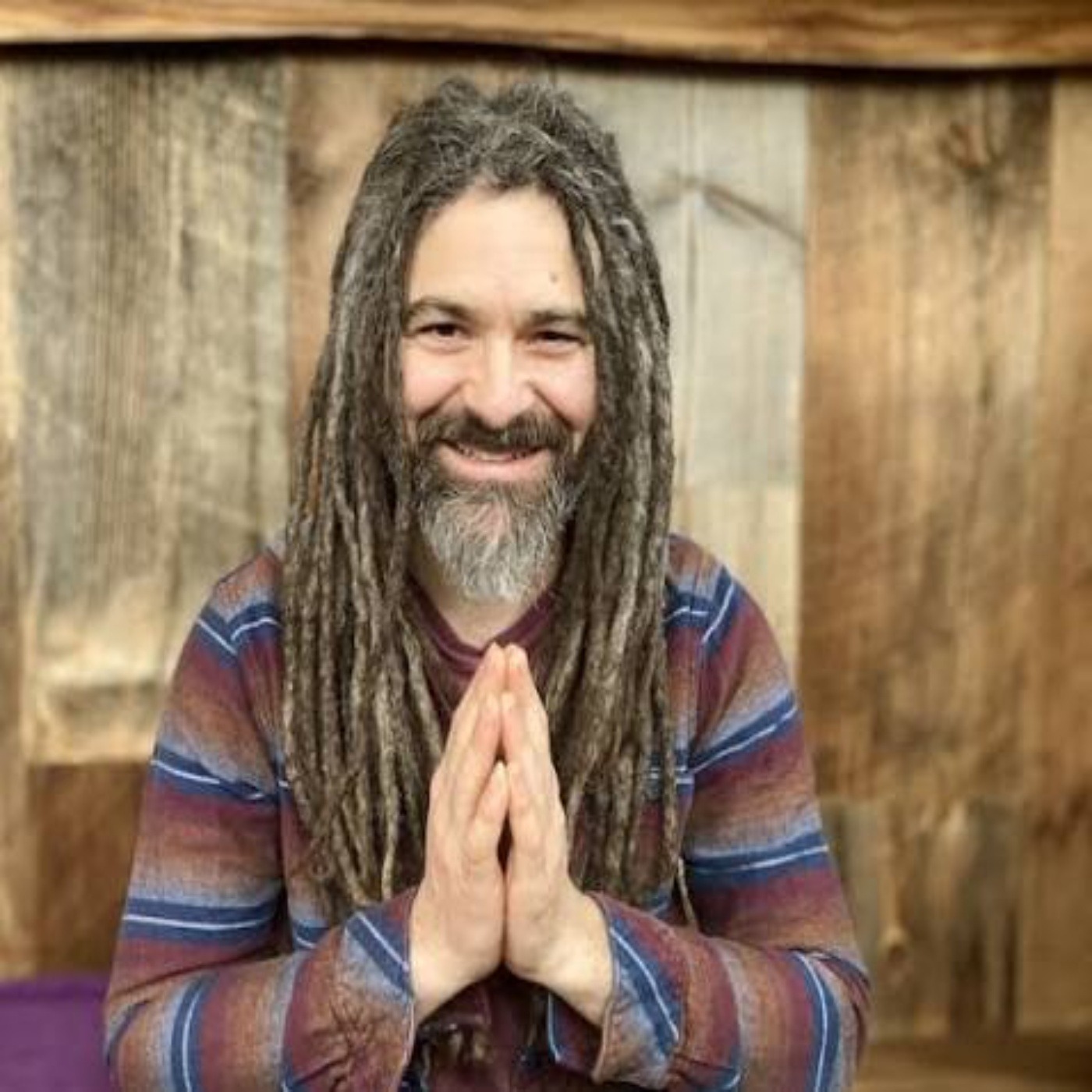
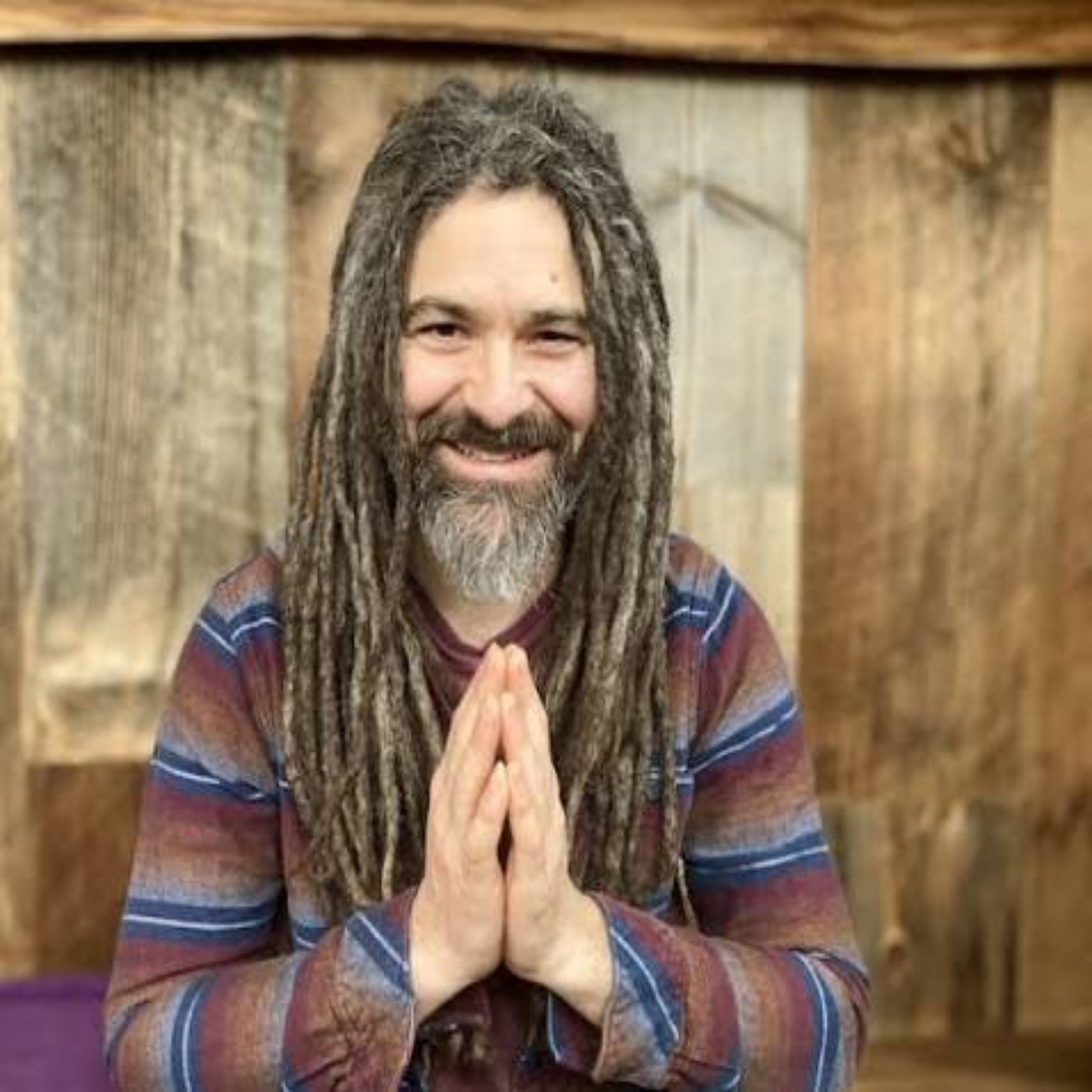
To truly grasp how this philosophy translates into a lifelong vocation, we have to look at artists who have walked the path with unwavering dedication. Recently on the podcast, we had the distinct privilege of exploring these exact themes with Raphael Groten, an acclaimed Vermont-based multi-instrumentalist, composer, and sound healing artist whose career has spanned over three decades. Raphael’s journey through the world of sound is as diverse as it is inspiring. He has navigated genres with ease, creating meditative ambient soundscapes that soothe the soul, lively children's music that ignites the imagination, and soulful collaborative projects that get people moving.
Raphael's professional recording career hit a monumental milestone when his solo acoustic guitar debut, Journey Home, was produced by Will Ackerman, the Grammy-winning founder of the legendary Windham Hill Records. This early validation set the tone for a career defined by acoustic purity and emotional resonance. Over the years, Raphael has continued to expand his sonic footprint, releasing a rich and diverse catalog of music. This includes the number-one radio-charting native flute album Great Blue, the "world medicine groove" project Potential, and even a deep-funk collaboration with his son under the energetic moniker Leo & the Goat.
Beyond his prolific output as a recording artist, Raphael serves as a veteran music educator and sound therapist. He understands that teaching music is not just about showing someone how to hit the right notes or read a sheet of paper; it is about teaching them how to listen—how to truly hear the world around them and use sound as a mirror for the soul. His work bridges the gap between technical mastery and spiritual intuition, proving that music, when approached with reverence and intention, can be a powerful vehicle for personal transformation and healing.
The Science of Sound: How Frequencies Affect the Nervous System
While the spiritual and philosophical aspects of sound healing are deeply moving, it is equally important to examine the hard science behind how frequencies affect our nervous system. How does a wave of acoustic energy traveling through the air actually translate into a feeling of profound peace in the human body? The answer lies in our neurobiology and the intricate mechanisms of our auditory and nervous systems.
When we hear music, sound waves enter the outer ear, travel down the ear canal, and cause the eardrum to vibrate. These vibrations are converted into mechanical movements by the tiny bones of the middle ear and then transformed into electrical impulses by the cochlea in the inner ear. From there, the auditory nerve transmits these signals to the brainstem and up into the auditory cortex, as well as the limbic system—the emotional center of the brain that governs our memory, mood, and stress responses.
This neurological pathway explains why music can bypass our logical defenses and instantly evoke deep emotional memories or physical relaxation. Certain frequencies and tempos can stimulate the vagus nerve, which is the primary driver of the parasympathetic nervous system—our "rest and digest" mode. When the vagus nerve is activated, our heart rate slows down, our blood pressure drops, cortisol levels decrease, and our digestive and immune systems receive the green light to function optimally. Sound effectively acts as a biological remote control, allowing us to manually switch off the chronic stress response of our modern lives and guide our nervous systems back to a state of safety and restoration.
Global Instruments for Inner Peace: Native Flutes, Handpans, and Gongs
One of the most exciting aspects of modern sound healing is the rediscovery and integration of ancient and unique global instruments. While the piano and guitar are wonderful, traditional Western instruments often carry cultural baggage tied to structured performance and perfectionism. In contrast, instruments like native flutes, handpans, and gongs invite us into a completely different relationship with sound—one rooted in improvisation, texture, and meditative presence.
The native flute, for instance, has a breathy, organic quality that immediately connects the listener to the natural world. Because it is played with the breath, it mirrors the fundamental act of life itself. The pentatonic scales traditionally used in native flutes naturally avoid the dissonant intervals found in some Western music, creating an instantly soothing, comforting auditory landscape that quiets an overactive mind. The player breathes their own life force into the wood, and the instrument exhales peace back out into the room.
Then we have the handpan—a mesmerizing, sculptural instrument of steel that produces ethereal, bell-like tones rich in harmonics. When played, the handpan creates a shimmering cascade of sound that envelops the listener in a warm, protective sonic blanket. Its vibrations are not just heard with the ears; they are felt as subtle tactile sensations across the skin and bones. Similarly, the gong works on a massive, whole-body scale. The complex, multi-tonal wash of a symphonic gong produces a chaotic yet harmonious wall of sound that disrupts entrenched mental loops, washes away energetic stagnation, and induces a deeply altered state of consciousness often described as a "sound bath." These global instruments do not just entertain us; they act as sonic portals to deep inner stillness.
Crafting Intentional Audio Journeys from an Off-the-Grid Sanctuary
The environment in which music is created inevitably bleeds into the music itself. In our conversation with Raphael Groten, one of the most fascinating revelations was his living situation and creative sanctuary: an off-the-grid tiny home on wheels nestled in the picturesque landscape of Vermont. Far away from the digital noise, screeching sirens, and hum of electrical grids that define city life, Raphael creates his art immersed in the sounds of nature—rustling leaves, wind through the trees, flowing water, and absolute silence.
This intentional decoupling from modern chaos allows Raphael to channel a purity of intention into his compositions. When an artist creates from a place of genuine connection to nature and self, the resulting audio journeys carry that energetic signature. Crafting an intentional audio journey is much like guiding someone on a meditation walk through a forest. It requires a deep understanding of pacing, emotional cadence, and spaciousness. You cannot simply blast a listener with sound; you must build a container of safety, invite them in with gentle textures, guide them through peaks of emotional release, and gently bring them back down to earth, grounded and renewed.
Raphael utilizes his diverse arsenal of acoustic guitars, native flutes, handpans, and gongs to sculpt these cinematic soundscapes. Each instrument serves a specific emotional and energetic purpose within the journey. By blending acoustic warmth with ambient space, he creates an auditory environment where listeners can pause, catch their breath, and embark on a journey of self-discovery without ever leaving their living rooms or car seats.
Conclusion: Bringing Sound Healing Into Your Daily Life
As we wrap up this exploration of sound, frequency, and the nervous system, it becomes clear that music is far more than a pleasant distraction—it is a profound therapeutic tool that is readily available to every single one of us. You do not need to be a professional multi-instrumentalist or live off-the-grid in a tiny home in Vermont to harness the healing power of sound. Integrating music as medicine into your daily life can be as simple as carving out fifteen minutes in the middle of your frantic workday to put on a meditative ambient track, closing your eyes, and allowing the frequencies to wash over you. It can look like replacing your morning doom-scrolling with the organic, breath-infused melodies of a native flute, or using the resonant tones of a handpan to anchor your evening wind-down routine.
Sound is a direct bridge to our inner sanctuary. When we learn to intentionally curate the vibrations we allow into our minds and bodies, we reclaim our autonomy over our stress levels, our mental health, and our emotional resilience. To take this journey a step further and hear these transformative sonic philosophies straight from the source, I encourage you to listen to our complete conversation with Raphael. Dive into the episode Music as Medicine: Sound Healing and Sonic Journeys with Raphael Groten. Let the music guide you, tune your inner instrument, and remember to bring a little bit of harmony into your everyday world.
From 1960s Classroom Inspiration to Published Author: The Origin Story of 'Jelly Bean'