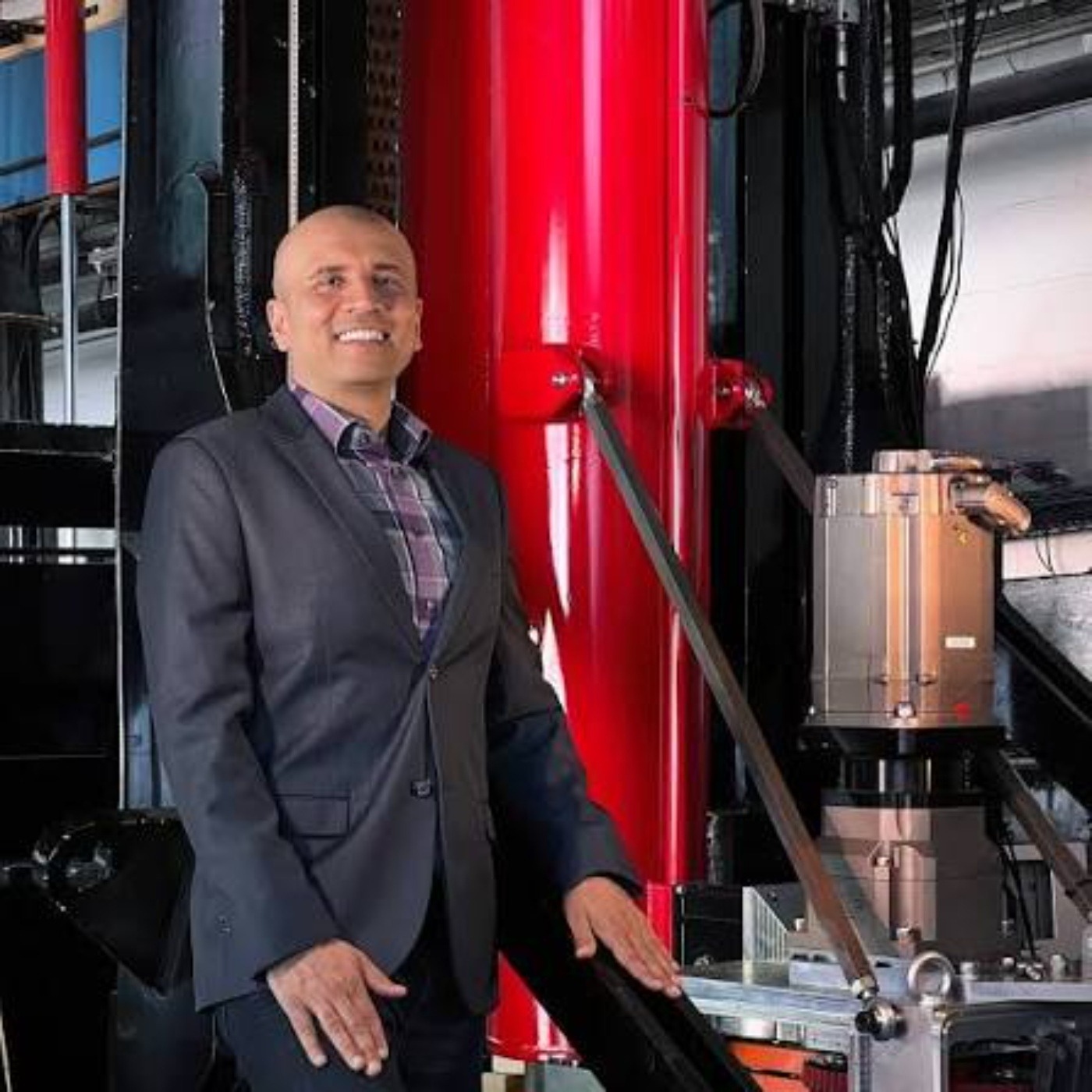
Beyond Hydraulics: How RISE Robotics is Reinventing Heavy Machinery
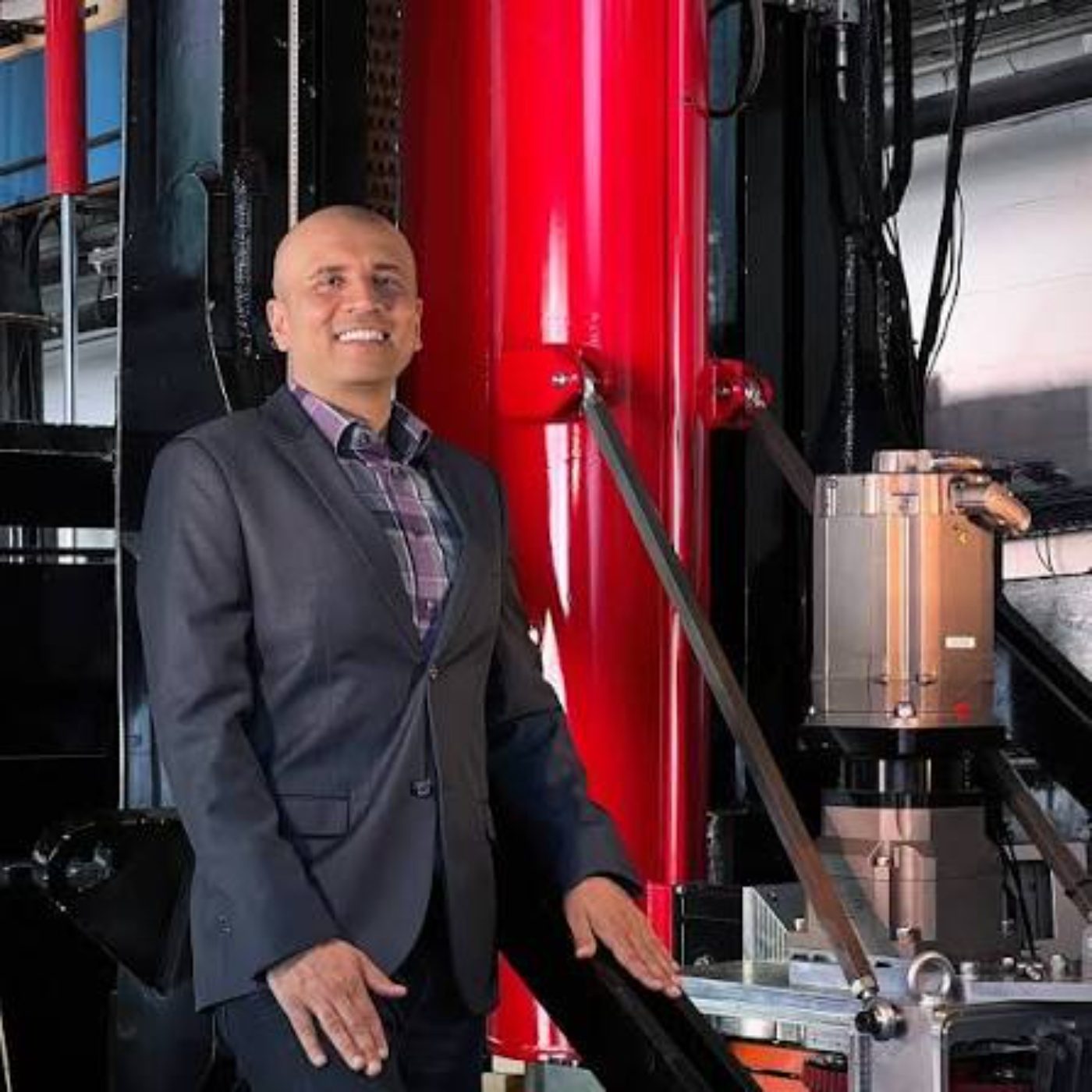
Welcome back to the blog! If you are a regular listener of the podcast, you know we love exploring the intersection of heavy industry, breakthrough engineering, and sustainable technology. In our latest episode, we sat down with a true heavy hitter in the tech world to discuss a topic that is quietly revolutionizing a trillion-dollar industry. If you haven't listened yet, you can check out the conversation in our episode, Beltdraulic Power: Hiten Sonpal’s Trillion-Dollar Bet on Heavy Machinery. Today, we are going to expand on that conversation, diving deep into why the world of heavy machinery is due for a massive, fluid-free disruption.
Introduction: The Trillion-Dollar Heavy Machinery Dilemma
When you picture a construction site, a mining operation, or a massive logistical warehouse, what sounds do you hear? You probably hear the deep, thrumming roar of diesel engines, and you almost certainly picture the slow, powerful, sweeping motions of hydraulic arms lifting tons of earth, rock, and steel. Hydraulics have been the invisible backbone of industrial civilization for nearly a century. They move our cities, build our infrastructure, and power our global supply chains.
However, beneath the surface of this trillion-dollar industry lies a dirty little secret: hydraulics are terribly inefficient, prone to leaks, difficult to electrify, and completely outdated when viewed through the lens of modern sustainability. For decades, engineers accepted this as an inevitable compromise. If you want power, you need fluid. If you want fluid, you need hoses, pumps, valves, and all the inherent energy losses that come with pushing oil through tight spaces at extreme pressures.
Enter Hiten Sonpal and the team at RISE Robotics. They are betting big on a completely new paradigm—one that replaces messy, sluggish fluid power with high-speed, ultra-efficient mechanical technology. In this post, we are going to break down how this innovation works, why it matters, and how it is poised to change the way the world builds everything.
Meet Hiten Sonpal: From iRobot to RISE Robotics
To understand the magnitude of what RISE Robotics is trying to accomplish, you have to look at the pedigree of the people leading the charge. Hiten Sonpal, the CEO of RISE Robotics, is not your average corporate executive. He brings over two decades of experience scaling commercial automation, deep-tech hardware, and robotic systems into the fold.
Before taking the helm at RISE, Sonpal spent sixteen foundational years at iRobot. During his tenure, he operated across both the defense and consumer sectors. On the military side, he managed the deployment of tactical robots directly into active combat zones—situations where reliability isn't just a business metric, but a matter of life and death. On the consumer side, he led product lines that shipped over nine million units globally and generated an astounding upward of two billion dollars in revenue.
His resume doesn't stop there. Sonpal also served as the President of Electric Sheep Robotics and the CEO of Mowbot, driving operational scale and hardware deployment across the automated landscaping industry. When a leader with that kind of operational battle-testing decides to focus his energy on heavy machinery, the industry tends to pay attention. Sonpal’s career has been defined by one overarching theme: taking advanced, complex engineering research and successfully bridging the gap to massive commercial deployment.
The Problem with Traditional Hydraulics
Why is Sonpal focusing so intensely on heavy machinery? To put it simply, traditional hydraulics are a massive bottleneck in the global transition toward sustainable, electrified industrial practices.
Think about how a hydraulic system works. An internal combustion engine turns a pump, which pressurizes hydraulic fluid. That fluid travels through a labyrinth of hoses and valves to a cylinder, which then pushes a load. Every single step of that energy transfer involves friction, heat generation, and pressure drops. In fact, standard hydraulic systems can lose a staggering amount of energy simply converting mechanical power to fluid power, and then back to mechanical power.
Furthermore, hydraulic systems are heavy, complex, and notoriously maintenance-heavy. Hoses burst, seals degrade, and toxic fluid leaks into the environment. When you look at the electrification of heavy machinery—replacing diesel engines with giant battery packs—hydraulics present an even bigger hurdle. Batteries are heavy, and running inefficient hydraulic pumps drains those batteries at an alarming rate, drastically reducing the operational run-time of electric excavators, loaders, and tractors.
The industry has tried to optimize hydraulics for decades, but you can only polish a leaky pipe so much. What was needed was a complete reinvention of linear motion itself.
What is Beltdraulic Technology?
This is where RISE Robotics steps in with a proprietary innovation known as Beltdraulic™ technology. Instead of trying to make fluid power better, RISE decided to eliminate the fluid entirely.
The Mechanical Alternative
Beltdraulic technology is a fluid-free, mechanical alternative to hydraulics. It utilizes advanced materials and specialized mechanical components—specifically, high-strength, flexible structural belts capable of handling immense tension and load—to deliver linear motion with unprecedented speed and precision.
By replacing hydraulic cylinders, pumps, and valves with an electromechanical belt-drive system, RISE Robotics has engineered a solution that looks and acts like a hydraulic actuator, but operates with the speed and efficiency of digital automation. There is no oil to leak, no filters to change, and no pressure drops to bleed off your battery life.
Unprecedented Efficiency and Zero Emissions
The performance metrics of Beltdraulic technology read almost like science fiction when compared to traditional hydraulic systems. Because it removes the energy losses associated with fluid dynamics, RISE’s technology boasts efficiency gains that completely rewrite the rulebook for heavy machinery.
The Efficiency Multiplier
We are talking about systems that are up to twice as efficient as their hydraulic counterparts. In the world of battery-electric heavy machinery, doubling efficiency doesn't just mean saving a little bit of electricity—it means cutting the required battery capacity in half, drastically reducing upfront vehicle costs, and making all-day electric operations a commercial reality for the first time.
In addition to massive efficiency gains, Beltdraulic technology enables zero-emission operations without sacrificing the raw, brute-force power that heavy industries demand. Construction sites and mining operations can finally transition away from diesel-guzzling monsters without worrying about whether their electric equipment will make it through a single shift.
Real-World Applications and Defense Contracts
It is one thing to design a brilliant piece of technology in a laboratory, but it is entirely another to deploy it in the harsh, unforgiving environments where heavy machinery operates. Under Hiten Sonpal’s leadership, RISE Robotics has successfully moved past the theory stage and into rigorous commercial and military deployment.
The company has secured high-stakes defense contracts with the U.S. Army and Air Force. Military applications demand absolute toughness, dust resistance, extreme temperature tolerance, and fail-safe reliability. The fact that branches of the United States Armed Forces are partnering with RISE to evaluate and integrate Beltdraulic technology speaks volumes about its ruggedness and tactical superiority.
Beyond defense, RISE has made significant inroads into the oil and gas sector, along with achieving multi-million-dollar revenue milestones. These aren't just pilot programs or proof-of-concept demos; these are real customers deploying real hardware to solve expensive, mission-critical problems in the field.
The Future of Sustainable Heavy Machinery
As we look toward the horizon, the pressure on heavy industries to decarbonize is mounting rapidly. Regulators are tightening emissions standards, corporations are setting aggressive net-zero targets, and operators are demanding lower operating costs.
Electric motors, advanced software, and smart sensors have transformed light vehicles and manufacturing plants, but heavy machinery has remained a stubborn holdout due to the limitations of hydraulics. By providing a drop-in mechanical replacement that unlocks extreme efficiency, eliminates maintenance headaches, and enables true electrification, RISE Robotics is removing the final barrier to a sustainable industrial future.
The ripple effects of this technology will be felt across multiple sectors. From agriculture and construction to logistics and defense, the days of leaky, inefficient hydraulic fluid are numbered. We are stepping into an era of intelligent, efficient, fluid-free heavy machinery.
Conclusion: Betting Big on a Fluid-Free Future
To wrap things up, the heavy machinery industry is undergoing its biggest transformation in a century. For too long, we accepted the inefficiencies of traditional hydraulics as an unchangeable law of engineering physics. But through visionary leadership, relentless engineering, and a refusal to accept the status quo, companies like RISE Robotics are proving that there is a better way.
Hiten Sonpal and his team are not just building a better actuator; they are laying the mechanical foundation for the future of clean industrial automation. If you want to dive even deeper into this fascinating topic, hear Hiten’s personal insights on scaling deep-tech, and learn more about how Beltdraulic power is shaking up the status quo, make sure you listen to our full conversation over at the podcast. You can stream the episode right now by visiting Beltdraulic Power: Hiten Sonpal’s Trillion-Dollar Bet on Heavy Machinery.
Thank you for reading, and as always, keep pushing the boundaries of what is possible!

From 1960s Classroom Inspiration to Published Author: The Origin Story of 'Jelly Bean'