
 Apple Podcasts
 Spotify
 Amazon Music
 PocketCasts
 iHeartRadio
 Pandora
 How to Reinvent Your Career at Any Stage of Life | Dr. David Petrovay

Send us Fan Mail Dr. David Petrovay is a career counselor, coach, and author with over 20 years of experience helping individuals navigate meaningful career and life transitions. His work spans schools, nonprofits, adult career centers, and private practice, where he supports people in discovering purpose, direction, and fulfillment in their professional lives. Before entering the field of career coaching, Dr. Petrovay spent 34 years working in various roles within schools for the blind acros...
Dr. David Petrovay is a career counselor, coach, and author with over 20 years of experience helping individuals navigate meaningful career and life transitions. His work spans schools, nonprofits, adult career centers, and private practice, where he supports people in discovering purpose, direction, and fulfillment in their professional lives.
Before entering the field of career coaching, Dr. Petrovay spent 34 years working in various roles within schools for the blind across the United States, an experience that deeply shaped his perspective on resilience, adaptability, and human potential.
He is the author of three books focused on career change, journaling, and personal transformation. Dr. Petrovay is a strong believer that life is shaped by the choices we make, and he brings that philosophy into every conversation, helping others rewrite their stories and move forward with intention.
Relax, Rebalance, and Recharge NaturallyRFT devices help the body relax, rebalance, and activate its natural recovery processes.
Disclaimer: This post contains affiliate links. If you make a purchase, I may receive a commission at no extra cost to you.
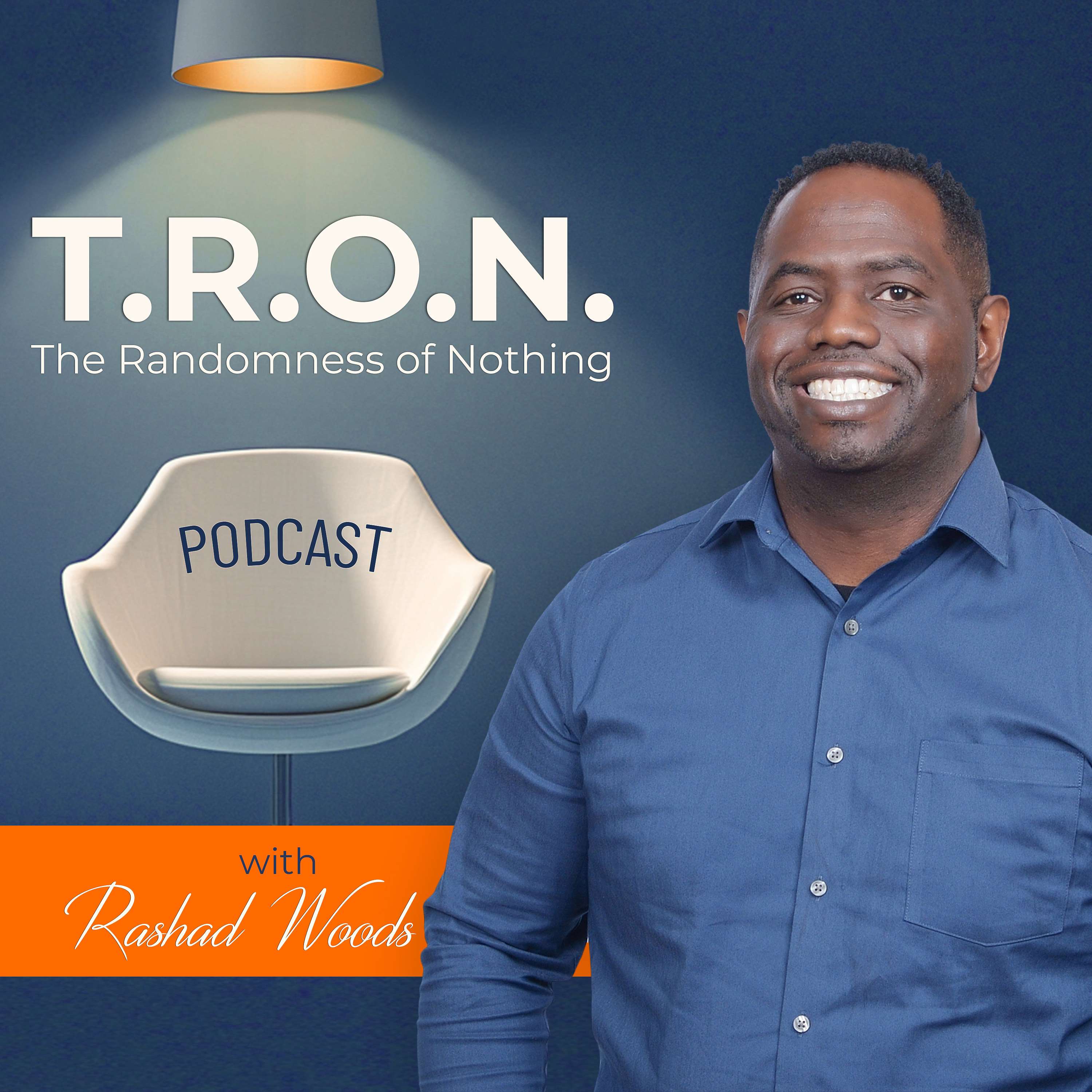
Listeners of the Randomness of Nothing podcast, this is your host, Rashad. As always, I like to bring people from great walks of life, very good professionals, and people who are willing to share their stories of success and the paths they took to help other people. And sometimes they find it within themselves before they help others. Dr. David Petrave is a living example of that. From Bend, Oregon, he's now a life career coach. He's been on seven different continents, and he's a living testament proof of living your best life when you just put the right foot forward. Thank you for being a guest.
SPEAKER_00Well, thank you for having me, Rashad. I look forward to this.
SPEAKER_02You know, I think you know your message resonates with people because at one point you wanted to be a pianist or an actor, right? And so everybody kind of you know, everybody kind of has those, you know, Hollywood or Broadway dreams, but you know, for a lot of people that doesn't work itself out. But too often people, you know, leave things on the table, so to speak. So what made you, you know, really like say, I'm gonna live my best life and move forward in you know this direction?
SPEAKER_00Oh boy, you know, it took a lot of years to come up with that decision of living my best life. Um, I think that, you know, just in choice of career paths, when I look back on it, even though I did it for 34 years, it was what I was supposed to do, but I don't think it was what I was meant to do. And so I think it began there, and it really wasn't until I was in my 40s or 50s that I realized, you know what, I need to take charge of my own life. Right. Right and stop living what other people thought I should be and do. Right.
SPEAKER_03Yes.
SPEAKER_00And so I know for many people that is an issue for them. Yeah, trying to live out someone else's best life, not their own.
SPEAKER_02I think what happens is, and we talked right before the call starts, is we both had Midwestern roots. And right, unless you come, and I'm not dissing people who come from from money or or or you know come from wealthy opportunities, that's a good thing because people should have generational wealth set up for their children. But if you come from typical working class roots, right, sometimes you only know what you see. And the only thing you know is is okay, after high school or after post-secondary education, I have to do this particular function to get by, survive, and have the 2.5 nuclear family, etc., etc. And it's very hard to look past that. And so it's really easy to fall into the the habit and the pattern that you know around you, and then that leads to other things, depression, you know, lost opportunities, and then also your inner circle doesn't have, may not be the people that you can reach out to to reach that next level, right? Because you don't have that luxury of being able to tap somebody in the shoulder. How did you get to this point? So even after even in your more mid forties and fifties, that was amazing that you did that.
SPEAKER_00Well, I think that you know, one of the things that I heard, I don't know if it's actually true, but it's a belief that people have, Rashad, is that if you want to take a look at what your life is like today, look at the five closest people to you.
SPEAKER_01Okay. I've heard about that. I've heard that.
SPEAKER_00Yeah, because um you want to see where they are educationally, financially, just all of those different aspects of their lives. And when I was starting out, you're right. Um, the people that I had to surround myself with, given the circumstances, were a reflection of what I could expect looking at those five people. Now, luckily, I did go to a private school for high school, it was a parochial school, and that's where I started to be exposed to students who were heading off to college because in my family that was not what we did. Right. But growing up in Pittsburgh, what you did was you headed to the steel mill. Right. And think about what that future would have been like for me. I could have done that work, but you know, would I have been happy in it? I doubt it. Yeah. And so having that first exposure to others who had the same career trajectory was the start of that.
SPEAKER_03Right.
SPEAKER_00And then actually heading off to a university. Again, there were not too many people in my family who did that. And unlike a number of the other ones, I continued in my education earning two master's degrees. One wasn't enough, and then going on for going on for a PhD. So that really put me outside of the normal set of experiences for my background. Because I looked at it at Rashad and I thought, well, we were middle class. Well, when I studied the structure of the class system in this country, I wasn't middle class. Yeah, I was upper lower.
SPEAKER_03Yeah, yeah.
SPEAKER_00Yeah. My dad was um a postal employee, he delivered mail. My mother was what they referred to as a housewife at the time. Yeah, they both had high school educations. My dad worked one job his whole life, and that was their reference point. Yeah, yeah.
SPEAKER_02And so, you know, and and I'm sorry to interrupt, but it's you know, and and here's the thing that's not a bad thing, right? Like, so you know, having that background shaped your mindset of, man, this may not really be for me, right? So, you know, and it's tough because it, you know, it gets the point. I hope this message resonates with people and we don't offend anybody, but there's something that eventually clicks where you can kind of start seeing the choo-choo train coming down the track, so to speak, and you're like, I I kind of know where this is gonna lead to, and I don't know if this is for me.
SPEAKER_00Right. That's a train that I don't want to get on. Yes. So I'll let that one pass by and wait for the next one.
SPEAKER_03Yes.
SPEAKER_00And I think that's what happened for me was uh in waiting for that next train, it was one that eventually fit me much better.
SPEAKER_03Right, right.
SPEAKER_00And so when it came time to choose that career trajectory, um it wasn't unusual for people who didn't have a college background or come from wealth to go into familiar jobs, like being a teacher. Right. I knew what it was like to be a teacher because I observed them for how many years before I went into that line of work, and I thought, well, I can do that, and I did it. Right, and I did it for 34 years. Beautiful. Now, what was different for me though was um I went into special education, so I worked with the blind for 34 34 years, and um, how did I get into that? When it was time to graduate, back then it was 1970. The choices for men were you either went into the military because they had just had the lottery with the draft, and I was a low number, so I knew where I was headed. If I didn't do that, then there might have been other jobs that I could enter that would have I don't know, would not necessarily give me a deferment, but um would have been about life service, I suppose. So I went, I remember getting that letter from the department from the uh department of special ed at the university saying, Hey, we're looking for teachers. There was a teacher shortage back then. Yeah, so I went in and I interviewed with the head of every section of that department.
SPEAKER_01Wonderful.
SPEAKER_00When I find when I finally got to the last one, it was working with the blind and visually impaired, and I said, I could do that. Not that I had a great passion for it, but it was I could do that. And I wonder how many of your listeners go into work with I could do that. It may not be my true life's calling, but uh, I could do it. And so I pursued that and I did it on various levels. I started out as a teacher in the classroom, and then I went on and I did a career development specialist. Oh wow, okay, which is very similar to what I do now. Yes, right.
SPEAKER_01Yes, yes.
SPEAKER_00And then the other one was they had an opening for what they called um a lead teacher, which was like a vice principal. So I interviewed and was accepted into that position and did that for a number of years. That was administration. And when I look back on on that, and you say, Oh, you know, is there a decision I wish I had made differently? It would have been I would not have gone into administration. Right.
SPEAKER_01Right, not for you.
SPEAKER_00No, I mean, I I that was not for me, it was too much about herding cats for me.
SPEAKER_02Getting people together, right, molding the person with multiple personalities and getting people on board who didn't want to be on board. 80% of it is just motivating grown people to actually like come on.
SPEAKER_00Right. And I said I loved working with the students. It was the adults that were giving me headaches. Isn't that crazy? And that was the main yeah, that was the main reason why I left it after 34 years. I said, I don't want to have to deal with one more underachieving teacher who has no desire to better themselves. And so that was the point at which I said, I asked myself, they didn't say it, what do I do next? And that's your you know, the randomness of nothing. It's like, okay, now what do I do? Yeah, and I and there I was. I was um let me see, I would have been in my early 50s. Yeah, so I wasn't ready to stop working, I was just ready to stop working in that field. And so then what I decided was I'm gonna do something that I love, absolutely, which is the work I do now. Right.
SPEAKER_02And we're gonna dive into that work, obviously. And for people who are listening, you know, and this is not a slight, this is a this is a big props to you. He decided at at an age in 50 that he was gonna pivot, which means that you don't have to be I'm 43. And for anybody who's listening, that's not the beginning. That's that's a nice little crossroads in life to really evaluate whatever you want to evaluate. And I think that more important your athletic career is gone. Like, you know, if you're sitting back and saying, you know, you're suddenly gonna play an MLB, I hate to break it to you. That's a that that's not gonna happen. Said all that, right?
unknownRight.
SPEAKER_02You're honest with yourself and you start reaching out to the right people and you start having those real like bullet points of I need to do this, you can pivot. And it takes a different mindset in talking to coaches like yourself. So when you decided to create your company and you select you, because you already had the seeds that were already there from your profession in teaching, you know, and the coaching, when did you say I'm all in on this?
SPEAKER_00Oh well, let's see. Uh after I completed my years in the schools, with the what next was and where is that going to happen? So, what I did was conduct what we call informational interviews. I reached out to people who were doing the kind of work that I thought I might be interested in doing, Rashad. And I asked them, How did you get into this? What advice would you have for someone who's considering making a career change or you know, in terms of occupation? And I did five of those. And my it's always the last question. And for your viewers, if ever you're going to do an informational interview, always end with the same question, which is who do you know who I might speak to to get more information about this? You're now building a network, okay? And so because they were all doing the same type of work, it wasn't difficult for them to refer me to someone else. Right. And I said, Would you be willing to make a virtual introduction to that person for me? And they did. And the fifth person I talked to said after that conversation, you know, we'd love to have someone like you working for us. Unfortunately, we're not hiring right now. But remember, I still asked that question, do you know of anyone else? So two weeks later, I receive a phone call from her saying, We have a job opening. Would you be would you want to apply for it? And I did. And it was working with adults with disabilities. So there was that transition, okay, from what I had been doing similarly, to moving into the next spot. Not random in nature, obviously. I lasted for about four months.
SPEAKER_01Oh, wow.
SPEAKER_00Because what I learned was that company was not necessarily interested in innovation, you know, creative ideas. It was like, no, we hired you to do this, so just do what we tell you.
SPEAKER_05Yeah.
SPEAKER_00And so after about four months, I had to have knee surgery, and I thought, oh, this is a perfect excuse. So I when I was finished with it, I said, you know, standing would be really difficult for me, so I'm just going to resign. They were not happy, but then it was the next opportunity. So I went and I did uh I joined a group of job seekers in the area. And as a result of that, I had the opportunity to do some volunteer work where I was able to start practicing my career counseling skills on a volunteer basis. And I thought, you know, I like this and I'm good at this. Yeah. And so what came next was a job offer. They said, you know, we'd like for you to consider applying for a regular position here, which I did. And so I worked for them for a year and a half, during which time I was completing my doctorate.
SPEAKER_01Oh, wow.
SPEAKER_00Okay. Oh wow. And the other problem I ran into, and you was like, why did you decide to go into your own business? It's a somewhat of a long story that explains it. When I finished, I was saying to them, you know, my the clients that I'm speaking to are telling me about a common problem that they have to address in their job search. And here's some ideas I have for how we could do that. Again, what I get is that's not why we hired you. So I thought they're only going to let me go so far in this. And what I learned was for me, and I think this is something that all of your listeners should consider, okay, what's important to me? Part of it was creative expression. Now I had that in the classroom. Okay, I was good at that. But here they didn't want creative expression, they simply wanted you to do the job that they hired you to do. Now, I'm not wouldn't be surprised that those ideas I shared with them weren't given to someone else in the organization for them to enjoy. So at that point, I said, you know what? I now have a PhD. What's next? Right. And that's where I decided I need to go into business for myself.
SPEAKER_02Yeah. It was the next stage of evolution.
SPEAKER_00And I'm not accountable to it.
SPEAKER_02It was the next, yeah, it was the next stage of evolution. Because really the real the reality about it was is that you were running into walls. And so you what you were running into was, you know, you know, and this isn't a diss to anything because they there's structures and there's certain confines and things that operate in, right? So at some point there's it's like this is the rules, these are the guidelines, this is what we've proven to be successful inside of our organization. And, you know, that's not for everybody, right? And it's like, you know, it's almost like, hey, you know, if if you are going on a date and you like certain things, you can't make that person like the certain things you like. There has to be a mutual interest in the things that you both like. And at some point you made that decision to say, well, I'm going to pursue these things to get the full breadth and depth of what I'm pursuing, because I don't, I there's a limit to what people are willing to listen to what I have to say.
SPEAKER_00Right. And I think what's important that a lot of people don't consider in choosing where they work, not necessarily what they do, but where they do it, is what does that culture look like? I think if you have a series of questions that you've prepared in advance in terms of what works for you, it will help you in making that decision about whether that would be a good fit for you. And again, having sometimes you have to learn the hard way, which is that randomness of nothing.
SPEAKER_05Right.
SPEAKER_00And it's like, well, when you start when you start out, you really have nothing.
SPEAKER_02Yeah, yeah, and it's funny because I created this show because you know, like I'm I'm of the ilk that if you ask me to, you know, fix a car or make dinner, it's like good luck, right? Like this that's not up my alley, but I'm the guy that's always curious about things. Like I read I watch documentaries. I've told this to numerous people, you know, people who knew me growing up will say this. Uh I know random facts. I I know, you know, I'll watch documentaries, I might have said that already, but I just always research things to see how they operate and function. So I never had like one particular thing that I stuck myself on when it came to my interest. I could watch a full documentary on just how cakes are made, and I'm not exactly the biggest pastry person in the world, but I love the cake making process, right? You know, all the way from ancient times to the most recent elegant situation. But it's about processing curiosity. And I think people are starved for information like that when it comes to you know people like yourself. And I say that respectfully because there's this mentality that as long as you played by the rules, things would work themselves out.
SPEAKER_00Well, they will for someone else.
SPEAKER_02Right, right.
SPEAKER_00And and and you brought up a good point, which is you love to watch documentaries. I'm similar in that I'm fascinated by things like architecture, how they put up skyscrapers, like the ones that they're building, like the Burj Khalif. I mean, I could watch that for hours. Now, does that mean I want to go into construction? No, it's just the creativity and the innovations that man has cre you know, has come up with in order for a 140-story building to go up. And there's that, and then it's like, how do people do cakes? Like you said, how do they serve 5,000 people on a ship? Okay, so uh you know, like you, it's a fascination I have with processes and um like with architecture. I love to watch multi-story buildings go up like the Burj Khalif. And how do they do that? And then it could be something as simple as how do they prepare 5,000 meals on a cruise ship? You know, and again, it's how they do that that is what it's all about.
SPEAKER_03Right.
SPEAKER_00So does that mean that I yeah, it doesn't mean that I'd be excited about doing it myself, it's just that process. And I'm glad someone can do it. It's not me. Like you say, fixing a car or making a meal, that's just not me. But it's um what I take from that, which is what's the fascination here? Yes, and if it's how do they do that, then it gets transferred to well, how do people make the decisions about the work they do? What's that process like for them?
SPEAKER_03Right.
SPEAKER_00And my job is to guide them through that process, right?
SPEAKER_02And and the wonderful part about that is that I'm sure you know when people finally open up to themselves, right? So they have this certain button demeanor that they have to have, you know, in their professional life, and then they start to talk to you, and then the quote unquote real Tim comes out, right? And then he tells you how passionate, or she tells you how passionate they are about certain things, and you know, they got their MBA and they have all these accolades and these wonderful degrees, and they're unhappy, right? And they're sitting, you know, because they felt like if only I would have pursued what I loved, or if only I would have actually done something that didn't involve me, you know, that I I truly pursued my passion. And I think that's hard because people equate that with, I'm gonna be a starving artist, so to speak, if I pursue my passion, right? How do they make a living off of that?
SPEAKER_00Well, and what I say to them is all right, you can look at it from that point of view, and then you and then I would say to them, so who do you know who is a multimillionaire doing household tasks? Martha Stewart. Okay, right. I mean, what she's doing is no different than many homemakers do on a daily basis. Yeah, she just figured out how to market that.
SPEAKER_01Without question. Without question.
SPEAKER_00And then the other one is who do you know who is she's a billionaire, okay, who makes a living talking to people?
SPEAKER_03Oprah.
SPEAKER_00Oprah, right. So, okay, these are what we call everyday skills, right? Where if you said to someone, do you think you could make money talking to people? No. No. So what they've done is create what we call self-limiting beliefs. They've limited themselves in what their future could be. So my job is to challenge those and say, What would it take? What would it take for you to achieve that if that's truly what you wanted?
SPEAKER_03Yeah, yeah.
SPEAKER_00And so, yeah, it it's really about opening up, open your opening your mind up to possibilities.
SPEAKER_02You know, and when I when I do this show and I I hear so many, you know, beautiful stories of so many different up, you know, people who have taken the chances on themselves, the the same message resonates where they sit back and they say, I've never been happier, right? They've never actually been happier about what they're doing. And and there's almost like this serenity kind of feeling they have about themselves, right? Like everything, you know, if you've ever played sports and then finally, you know, they they say to the athlete the game slowed down for them, so to speak, right? And then they can see plays happen before they happen because they weren't just going play by play, but they were like they mastered the playbook, so to speak. And so now they're like, yeah, they know when that wide receiver is gonna be there. They can hit the ball long before the pitcher threw it, right? They're walking away after the jump shot because they know they practice it a thousand times. So there's a certain calmness that these people have about themselves because they went through the tough times and they finally found their voice, so to speak.
SPEAKER_00Right. And for me, when I first started out in my own business. Rashad, I can look back, and there were months where I had one client for the whole month. Okay. And then it was a question of how committed am I to being successful with this? Obviously, that commitment was there because I'm still doing what I do. I still have certain goals. And it's very interesting. Lately, I'm connecting with people who I haven't approached them with, hey, can you help me reach these goals? In our conversation, it just flows, which is not about randomness. So yesterday I was on a call with someone and he said, fill out this form, 31 questions, and we'll see what it tells us about you. So he took that information, fed it into a program that he has, and he came up with, okay, if you're going to do workshops, here's the script for what that workshop is going to be. So with AI, it generates everything that you need. And here's here are here's your elevator pitch. Here's your press release. And then it's all done for you. So there I was with that. And two weeks before, I was on a call with a woman where she was giving me the blueprint, but she wasn't giving me the construction materials. So I took what she gave me and fed it into this questionnaire. He gave me the construction materials. Nice.
SPEAKER_03So there it is.
SPEAKER_00See, if I think once you set your mind to achieving something, whatever you want to call it, the universe, yeah, randomness, whatever, it's going to it's going to deliver on what you need for that to happen. You just have you have to believe that that's what occurs in life.
SPEAKER_02You really do. And so, you know, I looked at your you know stellar coaching career, and you see you've gone to universities, you've gone to nonprofits, you go to businesses, you know, you uh you pretty much, you know, trim, you know, have dove yourself into multiple different industries, and and I but I think your message resonates the same. You have to bring out the the you for me to help you, right? And it has to be authentic. It can't, it's not something that can't be manufactured, so to speak, right? Because there's nothing that's going to at some point, and I can speak you know with conviction about this, the reason I think I've done okay on this podcast, I'll never say I do great, is because I'm passionate about wanting to know what people want to do. I'm passionate about process like you are. I'm passionate about curiosity and things like that. Because you're going to have to work on this when nobody's around. You're going to have to work on this when you're tired, when you've done two or three interviews a day, when you've had two or three clients and you're on your, you know, you're you're you're burning the candle on both ends. That's when you're gonna know whether or not you're passionate about something or not.
SPEAKER_00Well, when you just mentioned the fact that you thought that you were good and but not great, yeah. So you have to define what great would look like, Rashad. Right.
SPEAKER_01Absolutely.
SPEAKER_00And are you willing to put in what it takes to move from good to great?
SPEAKER_01Without question. Without question.
SPEAKER_00That's up to you. I don't think anyone can decide for you what that path needs to be.
SPEAKER_01Right.
SPEAKER_00When you'll know when you achieve it. I think for most of us, we're we are lifelong learners, and we're always looking for ways to improve uh our skills, our experience, everything that goes along with that, because at my age, I'm still learning.
SPEAKER_04Absolutely.
SPEAKER_00And I'll be honest, I'm 77. Okay, and I am not I'm not done learning yet. And so with this new plan, okay, the construction materials that I've received, my job is to use those to build what that next layer of my occupation will look like.
SPEAKER_02Yeah. I think what people have to understand is that it's okay to break the rules, right? So I think that there's an inflection point that's come across with a lot of people, particularly in the last 10 years, because there was this mentality that for a long time that permeated that if you didn't go to college or did a g didn't get a degree, somehow that was you were deemed as less than or less worthy, or not, you know, dignified in society to do certain things. I think because of how number one, how much cost college has been versus what people saw as the return on that investment, they started to think outside the box a little bit, right? And so now, you know, you do have people in that second stage of life or you know, who or you know, recent college or high school graduates that are like, yeah, I kind of saw what my grandparents and my parents and my uncles went through, and I I don't know if I want to put myself through that kind of situation. It's a testament to human character and characteristics and and and achievement that you ultimately have to be at home in your own thoughts and you have to question am I willing to go through the fire pit to get you know what I'm passionate about to the world? Right. And and then number two is you have to make sure that you measure your own level of success unto itself, even though you only had one client, you knew when you stuck enough with that one client, good things were going to happen to you.
SPEAKER_00Right. And it's believing in yourself, yes, and also surrounding yourself with people who believe in you. Without question, without question. You can do this, you can absolutely do this, you have what it takes. And so for me, you know, I just kept my nose to the grindstone, and I thought, okay, I'm gonna keep building this. And um most of my clients right now come to me through referrals, beautiful, but this new construction plan has a whole new way of reaching out to ideal clients and have them benefit from my services. So again, it's anything's possible.
SPEAKER_03Right.
SPEAKER_00You know, do I want to be the Oprah Win-free of career coaches? Um I don't think that's in my on my radar to do that. I want to be good at what I do and I want to help people, but I don't have to be the oh, everyone needs to be a Dr. David Petrave. No, I'm I'm like everyone else, I'm unique. What I offer is going to be different from other people, right? And that's a good thing, just like with you. You know, I've been yeah, I've been on podcasts over 40 of them so far. Wonderful, and I see commonalities among what I see as successful podcasters, and part of it is the ability to relate.
SPEAKER_03Yes.
SPEAKER_00And I've done a few where that didn't happen. This is not one of them.
SPEAKER_02I appreciate that. I appreciate that.
SPEAKER_00But I think that um again, if what you do make as someone said this once, if what you do makes a difference in one life, you're a success. Without question, without question.
SPEAKER_02And you know, I think it's a I think people are yearning for that because oftentimes, you know, there's very flashy images that present themselves on Instagram, social media, YouTube, and people get enticed by, oh, well, you know, all I have to do is sell t-shirts on on this on this shopping platform, and then in six months it'll all work itself out. Well, that that that what you have to understand is you may not be good for selling t-shirts. You may not be good for selling, you know, that's if if you're not passionate about that, you're gonna not follow up, and then that's just an image that gets you enticed to click. It really boils down to sometimes it's funny, what you're good at can be staring you in the face. It can literally be staring you in the face. You can try to dive into this, you can try to dive into that, and then all of a sudden, you know, you know, one day, like kind of with this podcast, I was like, why don't you ask people what they do for a living and how they did it? Because I'm always fascinated. I'm always fascinated about it. Why don't I try to do that and see how it works itself out? And then all of a sudden you look up and you know, you know, it you know, uh some some change later, you know, you got a hundred thousand downloads on Spotify, a hundred thousand views on YouTube, and you're like, you know what? It was staring me in my face for years that I just never thought about it, never occurred to me to do it.
SPEAKER_00Right. And so you and I are very similar in where we come from, which is as a child, I always wondered what made people tick.
SPEAKER_02Yes.
SPEAKER_00And so here I am finding out what makes people tick, just like you do. And we just turned it into an occupation.
SPEAKER_02Yeah, and and then what you do is if you come from a pure place with no agenda, you find people have good conversations to have with you, right? Because at the end of the day, you know, people just want to be happy and feel fulfilled and feel listened to, right? And I think if you can accomplish those three things, I think that you know it makes for a very good experience, and then ultimately you do get people who listen or who get coaching from you, and then they're like, okay, I feel comfortable, Dr. David. I feel comfortable talking to Rashad. That's not to say you're gonna knock it out of the ballpark every single time, but you can leave knowing that, hey, it maybe it just wasn't a good fit, but it wasn't because I did something to this person, so to speak.
SPEAKER_00There are going to be times and I run into them, and I'm sure you do too, where you're listening to someone and what their needs are, and you ask yourself, oh, am I capable of addressing their needs?
SPEAKER_01That's not question.
SPEAKER_00And that's a that's a valid question to ask. Without question. And what I what I have found was every time I've been able not necessarily to hit it out of the ballpark, but I've been able to answer and address those needs.
SPEAKER_04Yeah.
SPEAKER_00And I think that tells me I'm right where I'm supposed to be, right, and um I'm very clear in terms of who I best serve and who I don't serve. So I'm in the middle. Um, I don't work with CEOs because I've never had that experience.
SPEAKER_03Right.
SPEAKER_00And I don't work with people who are blue-collar, not because I look down on them, but it's not where my experience is going to best serve them.
SPEAKER_03Right.
SPEAKER_00So I talk to, you know, mid-level professionals, which is where I've been.
SPEAKER_03Right.
SPEAKER_00And so I can identify with pretty much anything they're going through because I've been there.
SPEAKER_02Right. You're just right. It's it's the relatability, right? So, like you, you know, it's the relatability. And you know, you don't want to, you know, hey, we start doing the the the the the consultation call, and then 15 minutes into it, you're like, this is not really gonna be a good fit because there's something that you're you're seeking that I can't answer. And it's mutually beneficial for both of us for you to find somebody that could that can best assist in that endeavor. And that's and that's just realistic, right? Like it that's how life evolves and teaches itself. I'm always curious, and I always ask this of all of my guests, you know, not because they need me, but because for the purpose of the show, where can people find Dr. David Petrave?
SPEAKER_00So I do have a website, it's David Petrave Coaching.com.
unknownYeah.
SPEAKER_00And it's the best way to get to know what I do. Um, I also post a daily blog for people. Yes, and so that's about raising people's emotional levels, okay, giving them hope, right? Um, giving them you know inspirate inspiration and transformation.
SPEAKER_03Right.
SPEAKER_00So um it it talks about the books that I have published, and I'm in the process of publishing two more that I'm co-authoring with someone, and all of that information is there. Uh, they can also look at podcasts I've done, they can look at webinars that I've done, and so it gives them a taste for how I perform.
SPEAKER_04Right.
SPEAKER_00And uh it's a it's a great resource for people, and you can book a session.
SPEAKER_02That's that's amazing, and it's wonderful. And you know, I always believe that, you know, you know, I've heard this quote many times, you know, Vera Wang didn't start her drill her uh luxury line until in her 40s. Colonel Sanders didn't start KFC until he was in his 50s. There are a multitude of stories of people who, once they got post-35, post-40, post-50, that found their voice and their passion and and what they were really, you know, truly wanting to pursue in life. So for people who are listening who are in those respective age brackets, younger or older, um, it's a it's still a stage in life, and it it's all about your passion. And if there's there's there's not an ending, so to speak. You're not too old, is what I'll say.
SPEAKER_00Right. I think you're too old when, like you were saying, um, I'm not going to try out for a major league baseball team at this point in my life. Okay.
SPEAKER_03Right.
SPEAKER_00They they wouldn't have me. I wouldn't, if I hit a home run, I'd be lucky if I could get to first base.
SPEAKER_03Right, right.
SPEAKER_00Someone run the bases for me. But be realistic, you know, know what your limitations are.
SPEAKER_01Absolutely.
SPEAKER_00And if they are ones that are self-imposed, you need to take a good hard look at those.
SPEAKER_03Yes.
SPEAKER_00But if they're ones where you say, you know, the reality is this is not something that is on my radar right now. So I'm going to pivot, like you said.
SPEAKER_04Right.
SPEAKER_00And this is what I can do. It's really, Rashad, about knowing who you are. And I think when people get into their 40s and 50s, they have a much clearer picture of who that individual is.
SPEAKER_02Right. Because, you know, if you 20s go by fast, you know, and you know, the 20s go by really fast. And to your point, now you have those quiet moments where, you know, whether you have children, whether you don't, and you're sitting back and saying, Did I what did I leave on the table? What did I leave on the table? What did I who what that person that was trying to mentor me or trying to give me good advice, did I blow them off? And and and now you start to sit back and say, What's what could I do to make sure that my voice is heard in whatever endeavor I choose see fit. So with that being said, I really appreciate your time, Dr. David Petrabe. And you know, for you to get up on West Coast time and get a chance to talk to me, I'm very honored because I don't know if I could have made the time that you did.
SPEAKER_00Well, this definitely was worth it. Sharing my story hopefully will give people hope that they are not stuck in what they do. And by the way, that's what the next two books are about. Right. How to get out of being stuck. So those will be launched in August. So your clients can look for those. And it's a I do I do process in my books. So here are steps that you can take to move from where you were to where you want to be. It's wonderful.
SPEAKER_02And thank you very much for joining us on the randomness of nothing. Your life didn't happen randomly, it happened because of choice and decisions. So I want to thank you personally for your time on the show.
SPEAKER_00Oh, you're quite welcome, Rashad. And all the best to you. You too, David.
SPEAKER_02Dr. David.

Agent of Change, Life Coach
Dr. David Petrovay is a career counselor, coach, and author with over 20 years of experience helping individuals navigate meaningful career and life transitions. His work spans schools, nonprofits, adult career centers, and private practice, where he supports people in discovering purpose, direction, and fulfillment in their professional lives.
Before entering the field of career coaching, Dr. Petrovay spent 34 years working in various roles within schools for the blind across the United States, an experience that deeply shaped his perspective on resilience, adaptability, and human potential.
He is the author of three books focused on career change, journaling, and personal transformation. Dr. Petrovay is a strong believer that life is shaped by the choices we make, and he brings that philosophy into every conversation, helping others rewrite their stories and move forward with intention.


