
 Apple Podcasts
 Spotify
 Amazon Music
 PocketCasts
 iHeartRadio
 Pandora
 Why Most E-Commerce Brands Fail to Master Their Numbers & Grow Fast- Cem Atik

Send us Fan Mail Cem Atik is the Founder of Harucon Ventures, where he scales companies from $1–5M to $25–50M in revenue by taking equity and fully operating their marketing—no retainers, no advisory layer, just direct structural involvement. He has worked with 70+ brands across e-commerce, SaaS, and local services, contributing to over €2B in cumulative revenue impact, and was named one of LinkedIn’s Top 25 PPC professionals in 2025 and 2026. Cem’s core belief is that most companies don’t fa...
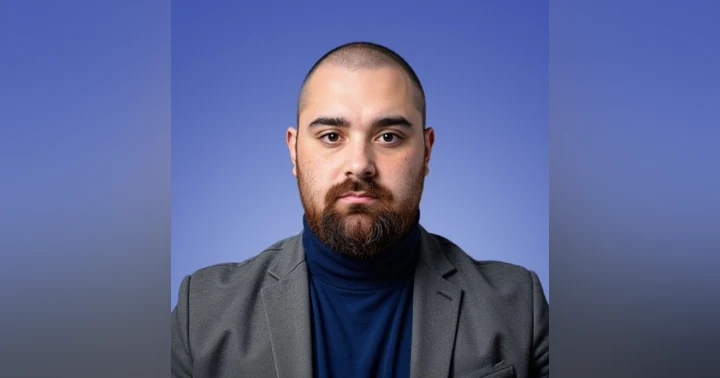
Cem Atik is the Founder of Harucon Ventures, where he scales companies from $1–5M to $25–50M in revenue by taking equity and fully operating their marketing—no retainers, no advisory layer, just direct structural involvement.
He has worked with 70+ brands across e-commerce, SaaS, and local services, contributing to over €2B in cumulative revenue impact, and was named one of LinkedIn’s Top 25 PPC professionals in 2025 and 2026.
Cem’s core belief is that most companies don’t fail because growth slows—they fail because growth was never economically controlled. His work focuses on turning marketing into a profit control system, helping companies scale revenue without sacrificing profitability or stability.
Known for his operator-first approach, Cem works from inside businesses, aligning incentives and building for long-term, exit-ready growth.
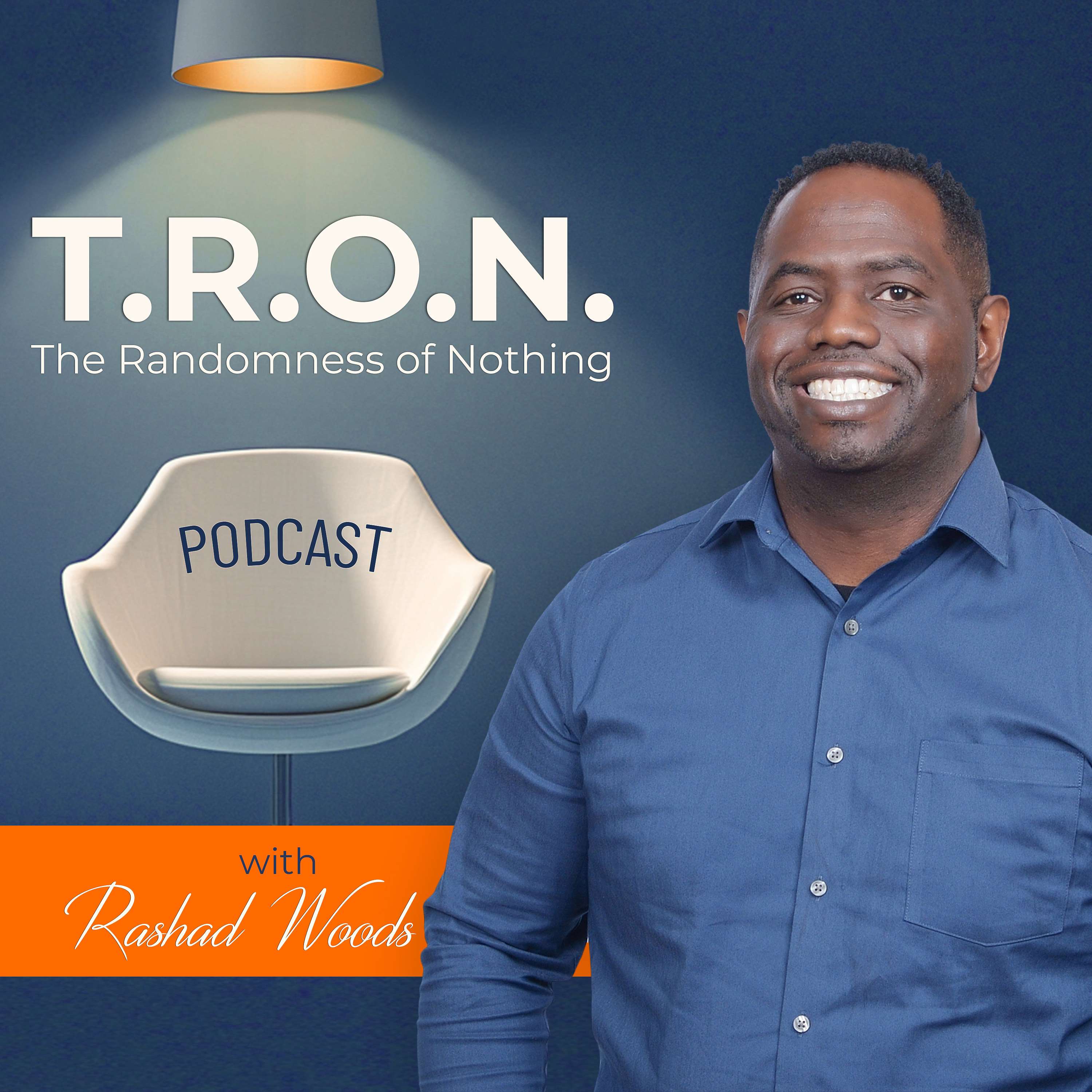
Listeners of the Randomness of Nothing podcast, I've always been intrigued by intriguing careers, people, paths of life, success, and all that comes in between it and the hard work that's done when people aren't looking. This man does that. He's grown businesses, companies using uh software service, and now he helps brands scale when they've hit their peak and they need to know what's next. Mr. Sam Ottic, how are you, sir?
SPEAKER_00I'm doing fine, Roshad. Thank you for coming and thank you for the invite.
SPEAKER_02I think it's always fascinating because you know, just because you've built something successful, you have to now sustain it and you have to grow. And that's where companies get caught up a little bit when they kind of get their foot in the door and get the first taste of success. Is that accurate?
SPEAKER_01I would say pretty much. Um I I see a lot of people, and I just uh was able to support a lot of businesses which are going through this process. And maybe it sounds weird, but sometimes I'm really surprised about how uh yeah, how basic people or how how yeah, how basic they start in the beginning and they just go through their process and uh trying to raise their businesses, and yeah, it's it's it's always different. I I I I would agree, but honestly, uh to be completely honest, I saw so many people which I would literally say, like, hey, I feel really don't understand how you go through this process and you are still profitable or even successful. It's it's a mix of both, I would say.
SPEAKER_02What do you think? You know, what do you think trips people up? So, first of all, you work with e-commerce brands that they grow fast but are harder to grow and run. So you have a unique uh method where you actually take over like the marketing services called Heracon Ventures. Uh so how do you what's that method like when it comes to that particular process in your business?
SPEAKER_01Um it's it's really simple. Maybe, maybe sounds great, but um, I mean, the first thing that we usually do is trying to get a clear overview about the unit economics and the numbers, because you cannot even imagine how many brands they're doing, yeah, seven figures, eight figures, and they didn't have even control about what is coming in and what is coming out. Yeah. They say, like, hey, we are super profitable, and they ask, like, okay, how how how how much is your cost of uh goods sold from from your revenue? And they say, like, uh, let me check. And and there is the problem, right? So people are not aware of all of their numbers. If I ask you about your cost of goods sold, your transaction costs, your cost for fulfillment and logistics, yeah, your your your overhead. As a business owner, you in in my in my perfect world for sure, you just need to tell me, okay, that's that's that much percent. That is that much percent. But but actually, in in my last eight years, that never happened.
SPEAKER_02Do you think it's because people you know have a blind spot to what they're actually, or don't they they don't know what they don't know, or do they tend to gravitate towards what they're good at, or is it scary for them to start diving into that information? Have you what have you found out?
SPEAKER_01I think I think no one is teaching them, and no one's just uh yeah, give them this sense of understandment in this point because what people see is okay, I pay for a product, let us say $25 and I'm selling it for $100. Yeah, but yeah, that's not everything. That okay, this is giving me one information. My sale is 100%, and my my cost of goods sold is 25. Um and and they don't care about the other stuff, they they don't uh yeah, just calculate all these numbers. But I mean, the the only thing that is not lying usually in business is numbers, right? Correct. And yeah, they totally under underestimate how important they are, yeah. Because no one is teaching them, yeah. I mean, if I if I just uh yeah, go back to my childhood, they also don't tell tell me how to avoid taxes, right? And it's basically the same.
SPEAKER_02Right, right. And so, you know, it is let's let's dive into your background a bit. Like what got you into this entrepreneurial path? What made you sit back and say, people don't know this, and this is a blind spot to businesses, and I'm gonna carve out this unique niche?
SPEAKER_01Um, I mean, I was pretty much a usual uh standard guy. I study chemical engineering, figured out that this is not something that I just want to stay in. Um, I get more and more familiar with selling and buying stuff, and also yeah, doing the marketing for that in my in my early 20s. And um, yeah, starting to work on usual agencies and saw uh saw how um how boring and how um yeah bad this work is actually because look here, and usually an agency, if they don't have an affinity to just really grow you because they are yeah, they they don't profit from your growth, yeah. They usually only manage your account or usually only manage the channel that they are looking uh that they're working on. So and and that that was something that which makes me really angry because I can't uh I have three brothers and we are four child uh childs, and um I have a really rough childhood, yeah. So we was just counting every penny, and for me it's it's it's I mean it's it's totally a hundred percent uh yeah secure decision in my mind to say, like, hey, I manage all the money that I get for if it's from a client, it's from myself, yeah, with the best possible on the best possible way I can, yeah.
SPEAKER_00Right.
SPEAKER_01And they didn't was doing that, right? So they say, like, okay, we just need to put so many time in it, so spend only 30 minutes an hour, uh for 30 minutes a week, sorry. And um, because because we just want to keep the the row as as high as possible because only manage that can't be don't scale them, and right that's something that I really hate over the years, right?
SPEAKER_02And yeah, and it's also because people are generally looking for solutions to their business problems, right? They came to you to actually get an understanding of you know their their missing point. And if it just becomes I'm just charging a fee and we're having our 30-minute call, you know, you're looking at it and saying, Okay, where's the value add for that business owner? Or do you ever have tough conversations with people who think they know everything, though? Because now you came to them for a re they came to you for a reason to scale, and now you have to tell them why they're not scaling, and they have to be open and receptive to what you're telling them.
SPEAKER_01It's happening pretty pretty frequently, but I find a way to just really avoid talking with people with a big ego because ego in business is killing. Yeah. So if it if you're getting emotional or your ego is too big, you will always lose. Yeah. So um, and that's why before we're just working with someone together, as example, or even even if I can't have uh can can do that, I just really check out first of all how is the wipe, how is the culture in the company. That's really important for me because to be honest, uh I have the privilege that I can work with people which I would like to work together, yeah. So I can choose with uh yeah, who is who's my partner or who's my client? Yeah, right. So and that is something that I really use because in these days you just need to be act a bit like a surgeon. You cannot help everyone, right? Yeah, and you don't need to help everyone. Right.
SPEAKER_02Right. What's your onboarding process like when you're bringing on a client? Do they typically reach out to you? Do you typically reach out to them? And you know, irregardless of how bad happens, what's the onboarding process like?
SPEAKER_01It's it's it's pretty simple. Um, usually after after uh a meeting like yeah, we where where we just get a bit more information about the business, uh, we just make an audit. Yeah, we look in on the performance channels, we are checking the retentions, we're checking the unit economics. Yeah, for me, the most important things are the unit economics. I just need to see if there is a possibility to grow this brand. Is the mar uh are the margins are good enough to do that? Because when you just grow a brand, yeah, there's a lot a lot of factors which are important. Everyone is talking about ROAS, but actually I don't care about ROAS much. Yeah, what is more important for me is how many customers are re-proachizing? Yeah, how how big are the cohorts after 12 months? That means uh if I if I if someone buys something in January, next year, January, how much how how many times he's uh repurchising products, right? So these informations having have much more uh yeah value for me. So I check these things out. We make we make a really detailed audit about their performance, also about their retention game, yeah, retention email and WhatsApp for sure or SMS. Um and once I get the numbers uh yeah sorted out and see the whole picture, I usually say, okay, I can move forward with you guys, or no, we will not, because even if I just are a little bit skeptical and I don't know exactly if I can just add value to this project, I usually stop because we try to always um yeah make the packages or or the pricing we were working with uh pretty performance oriented. So I don't charge like huge uh retail retail uh retainers with my team. We're usually charging a uh a small retainer plus a performance percentage on the value we generate. And yeah, that is only working for sure when I can generate value.
SPEAKER_02Do you find any particular e-commerce brands um that you tend to work with or other particular industries that are better fit for your services?
SPEAKER_01Yeah, definitely. Uh everything is consumable, if you're just starting with supplements, beauty, uh snacks, yeah. Everything that you just can consume basically, or that you just need to rebuy a lot, yeah, it's much easier to scale because you have this uh repurchasing uh repurchase effect over a long run, right? If when you buy a razor, you you uh you uh you uh you need plates, right? And that's pretty much the same thing.
SPEAKER_02Right. Do you do you have to find out somebody's differentiation strategy? Because I asked this because in business things are easily duplicated, right? So set you know, whether it's you know, getting usually the first to market gets like the the the the the best return. Like Netflix was the first into streaming, and even though they've had competitors in that space, nobody's ever been able to topple Netflix, even Disney is still a second, a very far distant second or third when it comes to them in the streaming wars because Netflix is so ingrained in the streaming experience right now. So, how do you get people that's like I'll do the same thing somebody else is doing because again, you know, it's duplicated. What's their own measurement of success? And do you have to stop people and say there's already dominant players in this field?
SPEAKER_01I mean, that's actually pretty simple. For sure. There is uh a certain time, especially in the beginnings, where you can copy other people to build a foundation, build the do the groundwork. But e-commerce is living from feeling uncomfortable and testing things that other people are not testing. So just think about Kobe. Kobe was the worst in his league with 12, with 14, he was the best one, yeah, because he understands that the basics are the most important thing to learn. So if you are just really good in the basics and and combine this with a B testing, everything that is coming to your mind, which makes sense, yeah, and is based on a psychology, yeah, you are always ahead of your competition. I mean, just just think about Netflix or even Red uh or even Red Bull. I mean, Red Bull everything is thinking about the uh about about the beverage, but Red Bull is actually a marketing company. Yeah, I see.
SPEAKER_02And they're doing nothing else. That is very true. That is very true. And now they sponsor racing and other events as well, too.
SPEAKER_01Yeah, how many how many videos or clips you see where they're just talking about their uh their energy drink? Yeah, they're always talking about the lifestyle, about about culture, about the feeling. Yeah, yeah. They they they sell outcomes and feelings, not the product. That's pretty much the best thing that you can do.
SPEAKER_02Yeah, yeah, because you know, at the end of the day, uh, people can consume thousands, if not millions, of beverages, but it's it they they've tied that drink specifically to an experience unto itself. That's really unique. So that's how your differentiation strategy right there.
SPEAKER_01Yeah, pretty pretty much the same with Liquid Def. Yeah, they give people a feeling, an outcome, yeah, to be different, to be bold, and that's the thing. So when you just want to set yourself apart, you just always need to test or do something that no one is expecting, yeah, for generating a wow effect. As an example, we had a brand we are working together with. No one was doing TikTok shock shop in Europe. And I tell them, like, hey, TikTok shop, the start was rough, but I but I told them like do it, right? Do it and keep it right now. They're doing 400k to GMV on a on a monthly basis.
SPEAKER_02Wow, yeah.
SPEAKER_01So yeah, so uh for sure. We just also give them a few guidelines and I have a few contacts that was helping them to build all of this stuff, yeah. But because a channel is not starting well or is not starting good, that doesn't mean that this start that this channel is not working for every industry, right? They had a product which is really cheap. Uh in Europe, TikTok is used by a lot of kids. Yeah, they have a product that is working for really young people for the Gen Z. Yeah. And I say, like, if you don't do TikTok, you guys are stupid. And they did, and it worked.
SPEAKER_02Right. Well, it's funny because you know, there's the there's the resistance of what you don't know, right? So if you're of a certain age, you don't see the value add because that may not be how you did business before. And I think everybody kind of woke up and realized, like, there are billions of people using this platform that are under the age of 18 or under the age of 21, and you're like, you cannot ignore that particular domain or space because you're missing a large check and segment of potential customers. And it's also because they are very tech savvy, they do also get you know, if if that audience doesn't buy products that aren't on social media, they just don't. So you have to meet them where they are at.
SPEAKER_01Uh that's one point for sure. But I let us talk a second about the tax savvy thing. If I give my phone right now to someone who is 15 years old, yeah, just try to remember yourself. Yeah, just try to remember yourself. Was you tax savvy at least 5% like you he is right now? No, never, not even close. I I didn't even use a mobile phone when I was 15. Neither did I. Yeah, neither did I. That's the thing.
SPEAKER_02It was like a big deal to have like a home video game system, right? Like that was like the big deal.
SPEAKER_01Yeah, just imagine Nintendo 64 in our time. Gosh, uh, one one front has it, and everyone was there always, yeah. The whole time it was all chilling on the same space. Absolutely.
SPEAKER_02Seven people surrounding and one television. Yeah, it was crazy. Like, you know, it was it was a big deal for a kid to have an N64. That is so funny. Oh my gosh, I remember that system.
SPEAKER_01Definitely that's hilarious. When I remember my first, when I remember my first PC, it was the IBM, my dad bring it from work. Yeah, yeah. And it was everything was on text base. I was not able to play Age of Empires in it, right? I just I I just yeah, just sit for it like 20 minutes, 30 minutes a day, type a few things, and that's it. That was my whole uh whole evening program, yeah.
SPEAKER_02Yeah, that's exactly. And so, but you know what the funny part is that was ahead of its time with what you knew, right? Now it you know it's it's funny because now it's evolved so quickly and they know so much, like the world will pass you by, and they're much smarter than people give them credit for. They really are.
SPEAKER_01I mean, just imagine, yeah. Uh, when when I was young, or even a few uh years earlier, uh, when you have a question in your mind, you were asking your dad, uh, someone who is has much more experience than you. Not you not today, you ask Claude. Yes, yeah. If I have an issue with my wife, I'm asking Claude. Yeah. So sounds weird, but it but that's actually a thing. Yeah. Last uh, I mean, I'm a pretty uh pretty pretty logical and rational piece uh person. My uh my wife is emotional, yeah. So sometimes she just says some stuff, I don't understand it. I ask Claude, and Claude is explaining it to me. The good language, I understand. It's totally crazy.
SPEAKER_02Isn't that kind of weird? Like, you're like, man, how come this AI system is answering all my questions? Like, that's hilarious. It's actually scary. It is very scary. I saw you follow the hero formula, which is hook, engage, resolve, offer. I saw that you know, that you were can you dive into that, please, and give some expansion on what that means?
SPEAKER_01Yeah, sure. Um, you can do the best ads, the best advertising in this world if your offer, if your landing page, if the customer journey behind that, yeah, is not working, or is it if it if it's not easy and easy to digest for your audience, you will always lose. That's that's something that I realize. I mean, especially when you're just doing meta ads or Google Ads or yeah, the uh the whole ads uh game, right? You just need to offer a funnel, something that is working. You're starting with uh with with a great landing page, with a great experience, yeah, and with a great offer. So you are now a cold customer, you don't know who I am, why you should buy. You need a reason to buy that. So there's two things, yeah, how you just can do that. First of all, let us say push push marketing. So you are on Instagram and you see a video and you get instrument, uh interested and curious. Yeah, then you check the website out and say, okay, that's a great no-brainer deal. I just need to buy, right? Second thing is intent. Yeah, if you're just looking on Google Ads, it's poll marketing. So that means that someone is typing in, like, I uh I just want to buy tires, as an example, in Idaho. Yeah, so he's he's just getting redirect to a website for someone who is selling tires in Idaho, right?
SPEAKER_02Right, right, right.
SPEAKER_01So the intention is there. And then the last thing that I just need to do is to convince him about that I sell the best products for the best price. Right. So how I do that, I show re I show reviews, I show customer experience, I show a pr special price, yeah. I maybe give some gifts together, yeah. So we we call this value gift stacking, so that you're just buying a pair of tires and you also get some extras, yeah, for free. But actually they are not for free, but yeah, that that's pretty much the the thing, right?
SPEAKER_02Right, right, right.
SPEAKER_01And yeah, that's pretty much how this is working. Your offer, everything is beginning on your offer, yeah. And yeah, the rest you just need to compile together, otherwise it's not working.
SPEAKER_02Gotcha. And so is that something you see that that business owners just don't see? Because you know, sometimes they're really great inventors, they're really great creators, but they're not great, great on that end of the of the spectrum. You know, everybody has their strengths and weaknesses. Do you find out that because you have that strategy, they almost can can fill that blind spot, so to speak, that you know that they can get residual or consistent income from their product and service?
SPEAKER_01So um, most brands we are working with, they already have a really good foundation, they're doing 100-200k a month, right? Wow. So the system, the groundwork is already done. So um, what happens is is uh because the groundwork is done, that doesn't mean that you uh reach your maximum limit.
SPEAKER_00Yeah, right.
SPEAKER_01There's there's a bunch of things which could be interesting. First of all, some some people are selling products which are not longer really good in trend or didn't even grow with their audience. Let us think about Chilla Jit. Yeah, Chilajit was a huge product a couple of years before. Now the trend is uh yeah going down and going down even more and more because people are still knowing that Chilla Jit is great, yeah, but the interest is losing. Yeah, not so many people on social media talking about that. That's one thing.
SPEAKER_02Okay.
SPEAKER_01The second thing is uh a lot of people are don't uh realize that testing on your website and they're getting emotional about their products for sure because that's their baby, yeah. So um, we just need to sell it on this way, that website, this colors, yeah. Um, and I totally understand that you just need to stay in your corporate ID, right? But that doesn't mean that you just cannot replace elements on your website, which could be generate much more value, right? As an example, you see a website, there is uh like 4.8 reviews, 5,000 reviews, yeah. That's one thing, or you'll see trust pilot, yeah, which is showing your 5,000 reviews and there is a 4.8. That's another thing. Trust pilot has a name in the industry, and everyone knows if someone has trust pilot reviews, they are much more like to be real instead of own reviews that you just have in your source. Gotcha, gotcha. Small things like that.
SPEAKER_02Yeah, and that can go a long way to resonate with a more consistent buying and more consistent consumer base when they see that attached to it, because unfortunately, people use chatbots or use art or use other methods to boost their either reviews andor their their likes and things of that nature, and they use less than ethical standards to actually grow their business, and so that that makes a lot of sense. And those are the type of things that sometimes you're not thinking about when you're trying to scale, you know. Exactly. That's that's a really amazing outlook. How large is your team?
SPEAKER_01Uh, we have 11 people in our team.
SPEAKER_02That's wonderful. That's wonderful.
SPEAKER_01Yes, so I mean, it's it's the same a thing that is really underestimated and no one cares about in industry, but getting more and more it's conversion rate. Yeah, so if you have two percent conversion rate, you get a certain amount, doesn't matter how much traffic you have. Like let us say hundredk click 100 uh visitors a month, 2% conversion rate, 100k clicks a month and 3% conversion rate is 100% more orders without without without increasing the marketing space. Yeah, right. So everyone try to fix their marketing, yeah, or or maybe maybe just do better ads and more ads, and that's important, right? But sometimes it's really your system or your customer journey that is keeping you, yeah, um, yeah, behind all your competitors. Right. Because your website is not converting as it should be.
SPEAKER_02Right. And they're just basically you just need to refine your approach as opposed to, you know, you're sitting back and saying, you don't have to increase your costs, let's convert more people that came here, right? So, you know, one thing that always fascinates me about companies, I don't know how it is in Europe when it comes to Netflix. It's always it's always fascinating to me when companies are like either they're not growing, so the one thing way they grow is they charge the current customers more. And so it goes from being $7.99 a month to $8.99 a month to $12.99 a month, to now if you want ad-free, it goes up to $26 a month, right? I don't know how it is in Europe, but Netflix suddenly got incrementally more expensive, but they're saying they're adding these little bells and whistles. So even though you're in more of the consumer base, like the consumption base, like you know, beverages, things that are purchased over again, how do people respond to price increases in your business or your customers when you tell them you need to charge the customer more?
SPEAKER_01So that actually depends. So when you just also uh make your offer more exciting, or let us say people getting more credits or yeah, getting more out of the same, they are usually fine with decent price increases increasements. Um, if you increase the price without doing anything like Netflix, you just need to have a monopoly, otherwise, this wouldn't work. Right.
SPEAKER_02Then people learn they can't live without it, right? You know, or it's perceived to be able to live without it.
SPEAKER_01I mean, it's it's I mean, could you live without without Netflix or even even Disney in these days? I looking so many uh uh documentary. Oh my gosh. Oh my gosh. You know. I mean, everything about animals, I'm just watching everything. Isn't it crazy?
SPEAKER_02Isn't it? It is it's tough because you know, and then now it used to be where Netflix for those guys was the distributor. Then they became the competitor, and then they pulled their stuff off the platform as a result. And then what was available in one you know ecosystem now is spread out amongst the very many. So 10 years ago, you're like, I just needed Netflix, and then all these other companies were sitting back and saying, Man, I need to make money off of my own IP as opposed to paying them a licensing fee and they keep it all to themselves. But to your point, when they pulled it, you needed to go somewhere else for that same stuff that you were watching on there before. And so people were willing to pay for four and five streaming services to get that same feel of what they had in one place. Exactly. It's crazy, you know.
SPEAKER_01I mean, let me let me give you a small example. Oh, did you did you know the phenomenon that when you are just seeing a BK, yeah, or Burger King, that always a McDonald's is not far ahead?
SPEAKER_02Absolutely.
SPEAKER_01Do you do you know why this is? Because they're stealing, they they're stealing and uh and and choice from there. If there's only one a McDonald's or a Burger King, you're thinking like, oh, okay, if there's one, yeah, from from from these two, you're thinking like, oh, should I eat something? Yeah, yeah.
SPEAKER_02Yeah.
SPEAKER_01If there are both, you say, like, where are eats today?
SPEAKER_02Yeah, yes.
SPEAKER_01And that's the thing. Yeah, it's it's pretty much the same. You don't think about like, oh, I need Netflix or I need display. Hmm, which kind of shows I'm more interested in, and and that exact exactly happens, yeah. Right.
SPEAKER_02And then the other thing that happens too is that if you see the line long enough, you know, it's almost like it's the spillover effect. Well, I really wanted McDonald's, but there's 20 cars that are in front of me. Burger King or Wendy's or the other fast food joint has seven, six cars in front of it. I can still get a burger and fry and a and a soft drink. I'll go here, even if it wasn't my preference to begin with. And they that's how their revenue got generated. Hey, I'm cool being a number two because I'm still getting something from these customers, in addition to my my current loyalty consumer base. Yeah, that's that's that's crazy how that works. Um, real is there anything we haven't discussed that you want to talk about before? You know, I know your time is valuable.
SPEAKER_00Thank you for that.
SPEAKER_01Uh actually, I don't think there is much so far. Uh not something that I don't that I just have in mind. We should also talk about. Maybe maybe one last thing. Uh, you you know, after understanding all of these marketing hacks in my young time, did you uh could you imagine what I do when I see a queue? I disappear. I turn my back on, sit in my car, and go to another location.
SPEAKER_02You know, I think I would love to have a follow-up, number two, about this, because I think, especially in the crowded space of e-commerce growth and a lot of people who are transitioning to that entrepreneurial set mindset that you conquered early in life, I think uh a half an hour doesn't do justice to what you have to offer for Heracon Ventures in your and your global reach and the assistance that you provide entrepreneurs.
SPEAKER_01Sure. I mean, since like two weeks, I didn't even sleep, to be honest, because I'm so deep in Claude. Yeah. Just trying to trying to clone myself, yeah. Just uh having having having a polyamor relationship with my wife, Claude, and I. Yeah. So she's pretty upset, but but I but I but I she uh but I think she will stay.
SPEAKER_02Oh my gosh, that's awesome. Sam Aric, thank you very much for being on the Randomness of Nothing. For people who are listening, I hope you subscribe. There's more to come from great guests such as him. I really appreciate your time, sir. Thank you so much for your time, Rachette.
SPEAKER_01And I was happy to be here.
SPEAKER_02I forgot to ask, where can people find you?
SPEAKER_01Um on LinkedIn. Just type in my name and you will find me. I'm just pretty, let us say, uh active on LinkedIn.
SPEAKER_02And for the people who are listening and not watching, it's Sam is with C E M, Auttic, A T I K. Thank you, sir.
SPEAKER_00Thank you so much. Bye bye. Take care.
SPEAKER_02Bye.

Serial Entrepreneur, E-Commerce Savant
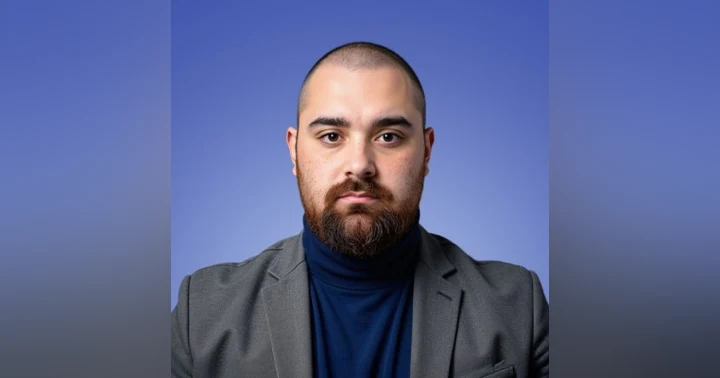
Cem Atik is the Founder of Harucon Ventures, where he scales companies from $1–5M to $25–50M in revenue by taking equity and fully operating their marketing—no retainers, no advisory layer, just direct structural involvement.
He has worked with 70+ brands across e-commerce, SaaS, and local services, contributing to over €2B in cumulative revenue impact, and was named one of LinkedIn’s Top 25 PPC professionals in 2025 and 2026.
Cem’s core belief is that most companies don’t fail because growth slows—they fail because growth was never economically controlled. His work focuses on turning marketing into a profit control system, helping companies scale revenue without sacrificing profitability or stability.
Known for his operator-first approach, Cem works from inside businesses, aligning incentives and building for long-term, exit-ready growth