Moving From 'Me' to 'WE': Breaking the Cycle of Individualism

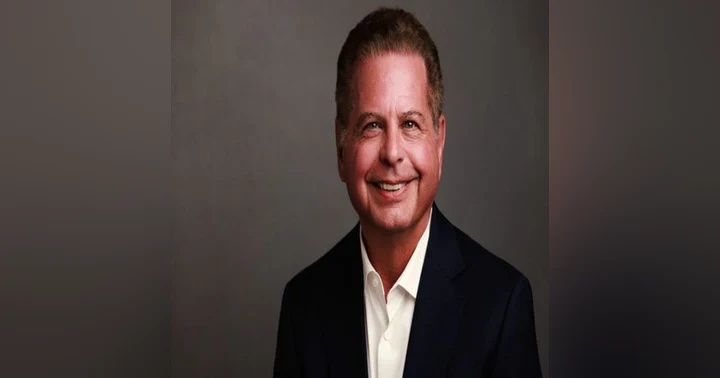
In our latest podcast episode, Transforming Toxic Cultures Into High-Performing Teams, we sat down with leadership expert Kyle McDowell to dissect the corrosive nature of ego-driven corporate environments. If you have been feeling the weight of a disconnected workplace, this discussion is for you. In this post, we expand on those ideas, exploring how shifting from a focus on the individual to a focus on the collective is not just a moral preference, but a business necessity. By moving from "Me" to "WE," leaders can dissolve toxic apathy and pave the way for true excellence.
The Trap of Individualism: Why 'Me' Fails Modern Organizations
Modern corporate life is often gamified in a way that rewards individual achievement above all else. From performance reviews that pit colleagues against one another to compensation structures based on isolated KPIs, the message sent to employees is clear: your success is your own, and your peers are, at best, distractions, and at worst, competitors. This is the "Me" trap. When an organization centers on the individual, it creates silos of information, hoarding of resources, and a palpable lack of trust.
The danger of the "Me" mindset is that it is inherently fragile. When employees are solely focused on their own professional trajectory, they lose sight of the broader mission. They become transactional in their relationships, asking "What is in it for me?" before contributing to a project. This creates a ceiling for growth. A team is only as strong as its weakest link, but in a "Me" culture, the "weak" are often discarded rather than supported. This fragmentation leads to burnout, high turnover, and the slow erosion of innovation. Individualism stifles the kind of radical collaboration that produces industry-disrupting ideas.
Defining the Shift: What 'WE' Actually Means in Practice
Transitioning to a "WE" culture is not about erasing the individual or demanding self-abnegation. It is about aligning individual ambition with the health of the entire organism. When we speak of "WE," we are talking about a mindset of collective ownership. In a "WE" culture, the success of a colleague is celebrated as a personal victory. It is the understanding that when the team wins, the individual wins by proxy. This shift requires a deep sense of psychological safety where employees feel empowered to admit mistakes without fear of retribution, knowing that the collective has their back.
Practicing "WE" means changing the vocabulary of the workplace. It involves replacing "I did this" with "We achieved this." It requires leaders to prioritize the long-term sustainability of the team over the short-term gains of a singular star performer. True "WE" culture creates a feedback loop of reinforcement where the group becomes self-policing, not through surveillance, but through a shared commitment to excellence that no one wants to jeopardize.
The Cost of Toxic Apathy: Identifying Signs of a Fractured Culture
Toxic apathy is the silent killer of organizational growth. Unlike overt conflict, apathy is insidious; it often manifests as employees simply "checking out." You know you are facing a culture of toxic apathy when you see the "not my job" syndrome—where tasks fall through the cracks because no one feels a sense of responsibility beyond their rigid job description. It is the sight of talented people watching a teammate struggle and doing nothing to help because they aren't "tasked" with that project.
Other warning signs include a culture of blame. When a project fails, the focus shifts immediately to finding a scapegoat rather than analyzing the systemic breakdown. If your meetings are filled with silence because people fear speaking up, or if the "water cooler" talk is exclusively negative, you are dealing with a fractured culture. This environment drains the energy of your high performers, who eventually leave to find somewhere their contributions are actually valued, leaving behind only those who have mastered the art of doing the bare minimum.
Accountability as the Foundation for Collective Success
Accountability is often mistaken for punishment, but in a high-performing "WE" culture, it is actually the highest form of respect. When you hold someone accountable, you are telling them, "I believe you are capable of meeting this standard, and I value your contribution enough to ensure it is at its best." Without accountability, there is no trust. If a leader ignores poor performance or toxic behavior, they are essentially telling the rest of the team that those behaviors are acceptable.
Collective accountability means that every member of the team feels a responsibility to uphold the standard. It creates a culture where peer-to-peer feedback is not only allowed but expected. It moves the burden of performance management off the shoulders of the leader and distributes it across the team. When every person is invested in the success of the group, they become natural guardians of that success. This creates a standard of excellence that is far more durable than any policy manual or HR directive.
Actionable Principles to Move from Me to WE
Moving from "Me" to "WE" requires intentionality and consistent application of core principles. First, focus on transparency. When everyone has visibility into the organization’s goals and challenges, they feel included in the decision-making process. Second, reward behaviors that support the team, not just results. A star salesperson who destroys the morale of their teammates is a net negative; reward the person who boosts the performance of those around them.
Third, institutionalize mentorship. Make it clear that a senior role requires the successful development of a junior teammate. Finally, celebrate collective wins loudly and often. Ensure that the accolades for a successful project are distributed widely. By focusing on these principles, you begin to dismantle the ego-driven barriers that characterize "Me" culture and replace them with the scaffolding of a collaborative, high-performance environment.
The Leader’s Role in Sustaining a Culture of Excellence
The leader is the architect of the culture. You cannot delegate the creation of a "WE" mindset. As a leader, you must embody the behaviors you want to see. This means being the first to admit your own mistakes, the first to offer help, and the first to acknowledge when someone else on the team has done a great job. It requires a level of humility that is rare in modern executive roles.
Sustaining this culture requires vigilance. You must be willing to have the difficult conversations with those who are unwilling to adapt. Toxic, "Me"-focused individuals can poison a team, and as a leader, you have a responsibility to the rest of your employees to ensure that the culture of the collective is protected. Leading toward "WE" is an ongoing process of coaching, reinforcing values, and setting an example that collective excellence is the only acceptable standard.
Final Thoughts: Building High-Performing Teams through Shared Ownership
Shifting from "Me" to "WE" is the most challenging, yet rewarding, transformation a leader can lead. It is about creating a space where the individual thrives because the team is flourishing. We have explored why individualism is a trap, how apathy destroys culture, and why accountability is the bedrock of success. As Kyle McDowell emphasizes in our episode, this journey is not an overnight success; it is a commitment to a new way of working and living.
If you are ready to start this journey in your own organization, I highly encourage you to listen to our full discussion with Kyle McDowell, Transforming Toxic Cultures Into High-Performing Teams. The insights shared there serve as a practical companion to the principles discussed here, providing the roadmap you need to build a team that is not just productive, but truly unified. Remember, the strength of the pack is the wolf, and the strength of the wolf is the pack. Start building your "WE" today.

Rewriting the Rules of Wellness: My 105-Pound Journey from CNO to CEO