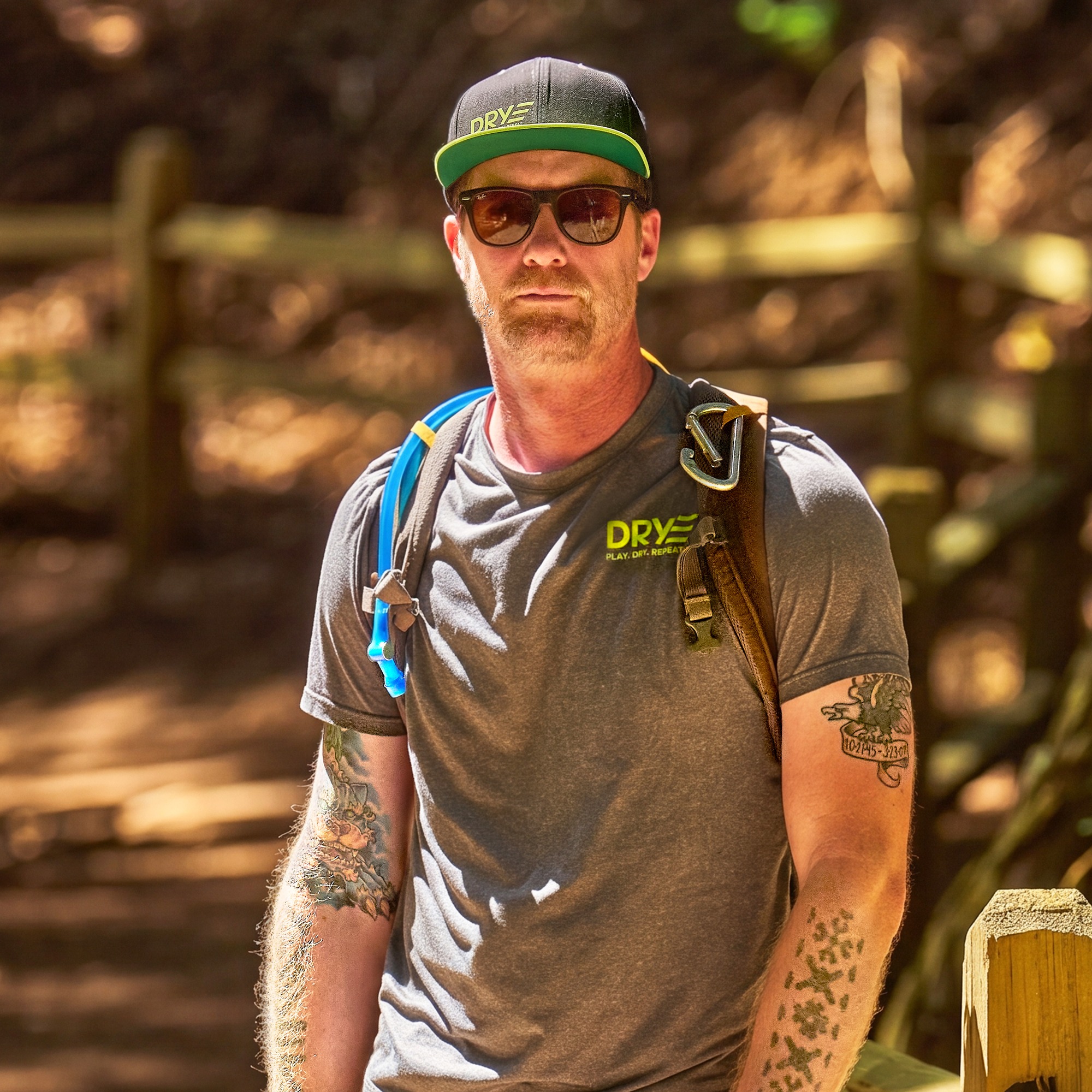
From Frustration to Innovation: The Origin Story of the DRYE Fan
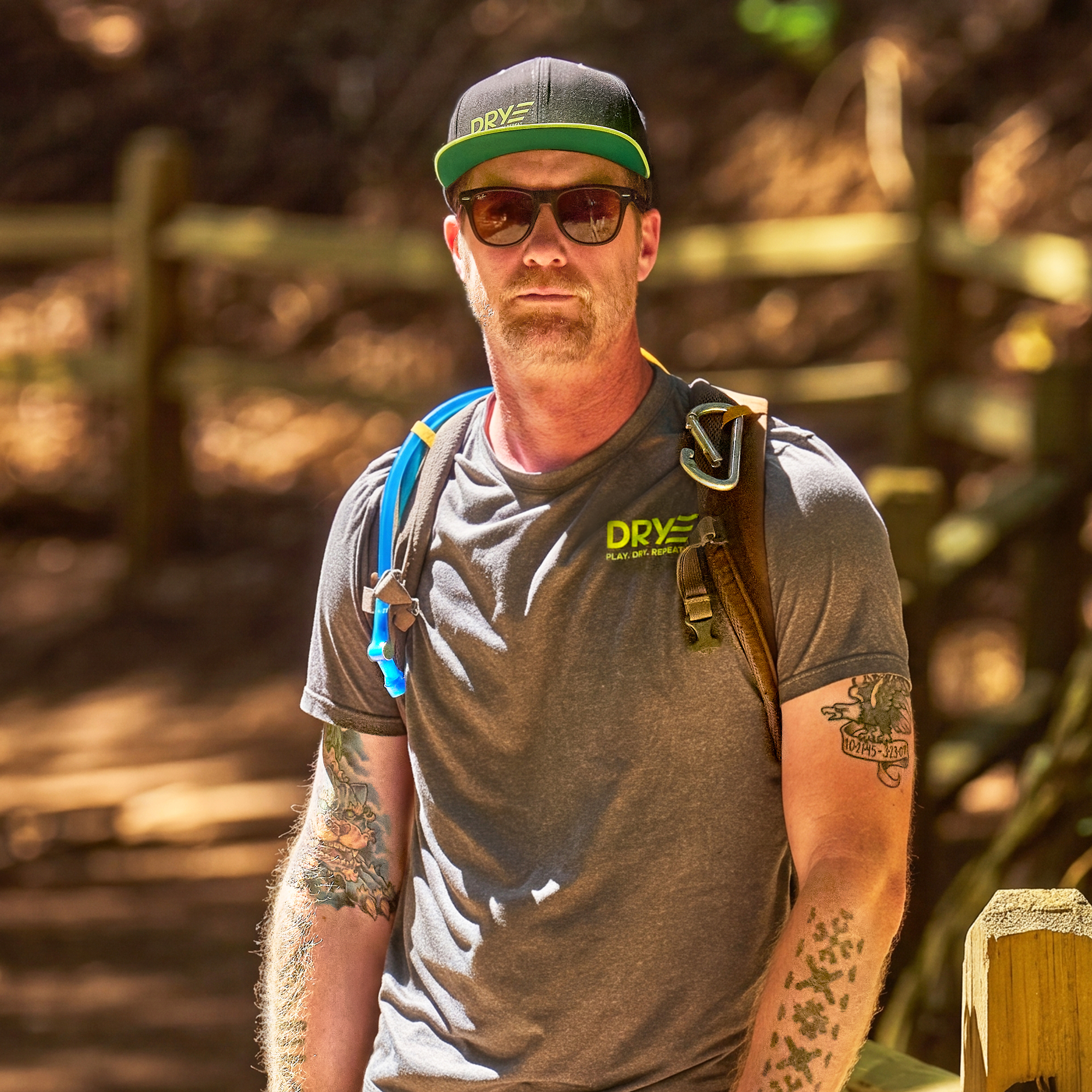
We have all been there. You finish a long hike, a grueling bike ride, or a session at the gym, and you toss your gear into a pile. But there is that one piece of equipment that looms over you with a sense of dread: the hydration bladder. You know it is sitting there, damp and dark, becoming a breeding ground for mold and bacteria if you do not clean and dry it perfectly. It is a universal annoyance for outdoor enthusiasts, yet for most of us, it is just a chore we endure. For Peter Williams, however, that annoyance became the catalyst for a breakthrough.
In this post, we are diving deep into the origin story of the DRYE Fan, a tool that has fundamentally changed how adventurers maintain their gear. This journey is more than just about a product; it is a masterclass in identifying a gap in the market and having the audacity to bridge it yourself. Whether you are a weekend warrior or a professional athlete, the struggle to keep gear sanitary is real, and hearing the story behind how this problem was solved is truly inspiring. If you want to hear the full conversation about this journey, check out our latest episode, Banish the Bacteria: How Peter Williams Engineered the End of Moldy Gear.
The Hydration Problem: Why Typical Gear Maintenance Fails
The hydration bladder is a marvel of modern outdoor engineering. It allows us to carry liters of water on our backs with ease, providing hydration without needing to stop and fumble with bottles. However, the design that makes them so efficient—flexible, enclosed, and airtight—is exactly what makes them a nightmare to maintain. Once water gets trapped inside, there is no natural way for air to circulate.
Most hikers and cyclists have tried the "hacks." We have all seen the paper towels stuffed inside, the wooden spoons propping open the reservoir, or the bizarre balancing acts involving kitchen utensils draped over the sink. None of these solutions work effectively. They are either time-consuming, prone to harboring even more bacteria if the paper towels aren't perfectly clean, or simply ineffective at reaching the corners where moisture pools. This failure of design meant that most people were essentially drinking from less-than-sanitary reservoirs, simply because the effort required to properly dry them was too high. The status quo was broken, and it was a problem begging for a professional-grade solution.
From DIY Hacks to Engineering: The Birth of the DRYE Fan
Peter Williams did not set out to become a product inventor in the hydration space. He was an adventurer who was tired of his own gear failing him. Like many, he started with those same DIY hacks mentioned above, but his background—one rooted in creative problem-solving and professional design—would not let him settle for the "good enough" approach of propping a bag open with a spoon.
The development of the DRYE Fan started with the realization that active drying was the only way to combat the issues of a moist environment. If passive air wasn't working, he needed to force air into the reservoir. This led to the prototyping phase. It wasn't about making something beautiful at first; it was about function. Through iteration, testing, and refining, the DRYE Fan took shape. It is a patent-pending system designed specifically to deliver a high-volume, consistent flow of air into the deepest recesses of the bladder. By cutting drying time by 95%, it doesn't just dry the gear; it prevents the environmental conditions that allow mold to bloom in the first place.
The Philosophy of Design: Solving Your Own Problems
One of the most powerful tenets of entrepreneurship is the "scratch your own itch" philosophy. When you are the user, you are the most critical judge of your product. You know exactly when it fails, why it fails, and how it could be better. Peter Williams applied this philosophy rigorously to the DRYE Fan. He wasn't building a product for a focus group; he was building it for himself, and by extension, for everyone who shared his passion for outdoor exploration.
This approach to design cuts through the noise of traditional market research. When you solve your own problem, you don't need to guess if there is a market for it; you are proof that the market exists. The innovation comes from the intimacy of the user experience. You aren't just designing a gadget; you are designing a life-hack that restores sanity to your routine. This philosophy is at the core of the work Peter does at his agency, Luna Park Creative LLC, where the goal is always to create meaningful connections through design that is grounded in reality.
Leveraging Experience: How Peter Williams Applied a Background in Media to Product Development
It might seem like a leap from media production and photography to hardware engineering, but the two disciplines share a fundamental core: storytelling and process management. Throughout his career, which includes collaborations with giants like Airbnb, Samsung, and Amazon, Peter Williams learned how to communicate the "why" behind a project. Whether you are framing a shot for a publication like Thrasher Magazine or designing a functional fan for a hydration bladder, you are solving a puzzle of visual and physical architecture.
His experience in digital media taught him how to bring stories to life, and he applied that same narrative-driven approach to product development. The DRYE Fan wasn't just a physical object; it was the "hero" of a story about cleaner, easier, and more sustainable adventures. His background in creative strategy allowed him to see the product not as a static item on a shelf, but as a component of an active, outdoor lifestyle. That perspective shift is often the difference between a product that is technically functional and a product that people actually love to use.
Impact and Reach: Making Life Easier for Hikers, Cyclists, and Military Personnel
The reach of the DRYE Fan has gone far beyond the personal hiking trips where it began. The product has found a home in the kits of professional cyclists, ultra-marathoners, and even military personnel who rely on their gear in extreme environments where hygiene is non-negotiable. In high-stakes situations, the ability to maintain gear quickly and effectively is a matter of health and operational efficiency.
By removing the friction of maintenance, the DRYE Fan has effectively made it easier for people to stay healthy. This impact is what drives innovation in the outdoor industry. We are seeing a move away from disposable, low-quality gear toward systems that are designed to last, provided they are maintained. The DRYE Fan acts as an extension of the life of the hydration bladder, proving that small, focused innovations can have a massive impact on the durability and longevity of our most essential equipment.
Conclusion: Why Innovation Requires Challenging the Status Quo
The story of the DRYE Fan is a reminder that innovation is not always about inventing something entirely new. Often, it is about taking an existing problem—one that we have grown accustomed to ignoring—and daring to challenge the status quo. Peter Williams turned a simple, recurring frustration into a product that serves thousands of adventurers. His journey demonstrates that you do not need to be a career engineer to build a solution; you just need to be observant, persistent, and willing to put in the work to refine your idea until it functions perfectly.
As we wrap up this look into how a simple annoyance sparked a business, I encourage you to think about the "hacks" you currently use in your own life. What are you forcing yourself to deal with because you think there is no other way? Maybe you are the next innovator waiting to solve a problem you don't even realize you are an expert in yet. For more insights on this journey and to hear Peter’s own words on the engineering process, be sure to listen to our full episode, Banish the Bacteria: How Peter Williams Engineered the End of Moldy Gear. It is a fantastic conversation about the intersection of creativity, grit, and the great outdoors.

Rewriting the Rules of Wellness: My 105-Pound Journey from CNO to CEO