Uncovering the Hidden Habits Sabotaging Your Leadership

Have you ever felt like you are working harder than ever, yet your team’s results seem to have plateaued? You follow the best practices, you implement the latest management frameworks, and you show up every day with the intent to inspire. Yet, there remains a persistent friction in your organization—a disconnect between your vision and the daily reality of your operations. This is the leadership plateau, and more often than not, the culprit is not an external market force or a lack of talent in your ranks. Instead, it is the invisible, unconscious behavioral patterns that you, as a leader, bring to the table.
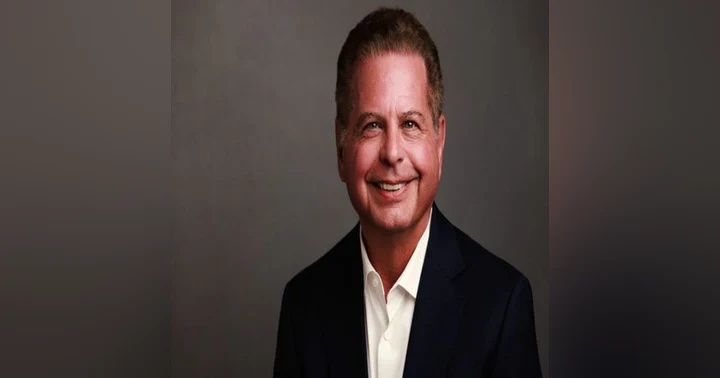
In our latest podcast episode, Hidden Habits, Better Profits: Executive Coaching with Debbie Longo, we dive deep into the psychology of high performance. Debbie Longo, an expert Executive Behavioral Coach, reveals that our leadership style is rarely just a collection of learned skills; it is a manifestation of deeply ingrained habits that we often aren't even aware we possess. This blog post expands on our conversation, offering a guide to identifying these "hidden habits" and understanding how they dictate the success or failure of your company culture.
The silent impact of unconscious behavioral patterns on business
We often think of leadership as an objective set of actions: making decisions, delegating tasks, and setting strategic goals. However, psychology tells us that human behavior is rarely objective. It is influenced by cognitive biases, past experiences, and internal narratives. When you are under pressure, you don’t always "lead"; you react. Those reactions are the products of your behavioral blueprint.
If you have an unconscious habit of micromanaging because you struggle with trust, your team will inherently learn to stop taking initiative. They will wait for your input, not because they are incapable, but because they have learned that their independent actions are subject to your scrutiny. You might view this as "maintaining quality control," but your employees experience it as a lack of autonomy. This is how a hidden behavioral pattern directly impacts productivity and stifles innovation. The silent impact is corrosive; it creates a culture of dependency and burnout, which eventually trickles down to your financial bottom line.
How to identify your hidden leadership habits
Identifying your own unconscious patterns is the most difficult stage of leadership development because your ego is designed to protect you from seeing your own shortcomings. To peel back these layers, you need to shift from a mode of "doing" to a mode of "observing."
The "Trigger" Log
Start by keeping a log of situations where you felt frustrated, defensive, or impatient. Don’t look at what your team did; look at what you felt. If a project was delayed and your immediate reaction was to jump in and take over, ask yourself why. Was it truly necessary for the project’s success, or was it an emotional need to feel in control? These reactive moments are your greatest sources of data.
Soliciting Radical Candor
Your team often sees your behavioral patterns much more clearly than you do. However, they may be conditioned to avoid giving you honest feedback. You must create a "psychologically safe" space where your direct reports feel empowered to point out when your behavior is hindering progress. Ask questions like, "What is one thing I do that makes your job harder than it needs to be?" Then, listen without defending yourself. If you get defensive, you are demonstrating the very habit that is sabotaging your effectiveness.
The link between mindset, culture, and profitability
Many executives treat "culture" as a soft metric—something to worry about once the quarterly financial goals are met. But the reality, as discussed with Debbie Longo, is that culture is the leading indicator of profit. If your leadership habits create an environment of fear, ambiguity, or resentment, your staff turnover will increase, employee engagement will plummet, and your creative output will dwindle.
When a leader shifts their mindset from "I need to fix this process" to "I need to evolve my behavior to empower this team," the cultural shift is immediate. When people feel trusted, supported, and psychologically safe, they take risks. They solve problems instead of hiding them. They advocate for the company. This isn't just "nice" management; it is a high-performance business strategy. Every behavioral tweak you make cascades through your organization, reducing friction and increasing the velocity at which your company can move toward its goals.
Actionable strategies for shifting your behavioral blueprint
Once you have identified a habit that is holding you back—such as the tendency to interrupt, the habit of over-committing, or the need to be the smartest person in the room—you need a strategy to disrupt it. You cannot simply "stop" a habit; you must replace it with a more productive behavioral pattern.
1. Create Micro-Interventions
If you know you have a habit of talking too much during meetings, set a micro-intervention: count to three before you speak, or make it a rule that you cannot be the first person to voice an opinion on a new topic. Small, physical interruptions to your routine force your brain to switch from an unconscious state to a conscious one.
2. Practice Reflective Pause
The space between a stimulus and your response is where your power lies. When a high-stakes email lands in your inbox that makes your heart rate spike, force yourself to walk away from your desk for five minutes. This "reflective pause" allows the emotional center of your brain to settle, enabling your logical center to take the lead. You will find that your responses become more strategic, measured, and effective.
3. Hire an Executive Coach
As we explored in our episode, sometimes the blind spot is too large to see alone. An objective, third-party observer like an executive coach acts as a mirror, reflecting your behaviors back to you in a way that is non-judgmental but incredibly insightful. Investing in yourself is the highest ROI activity you can engage in as a leader.
Conclusion: Embracing self-awareness for long-term growth
Leadership is not a destination; it is a constant process of refinement. The plateau you are currently hitting is not a signal that you have reached the end of your potential, but rather a nudge that your current behavioral toolkit is no longer sufficient for the level of success you are aiming for. By uncovering your hidden habits, challenging your own narratives, and committing to intentional growth, you can transform not just your team, but your entire organization.
Self-awareness is the bridge between good management and extraordinary leadership. It requires courage to look inward, but the rewards—in terms of culture, performance, and personal fulfillment—are immeasurable. I highly encourage you to listen to our full conversation on Hidden Habits, Better Profits: Executive Coaching with Debbie Longo for more insights into how you can start your own journey toward behavioral excellence. Remember, the most profitable investment you will ever make is the one you make in yourself.
Resources and further learning
For those looking to deepen their understanding of behavioral leadership, I highly recommend connecting with Debbie Longo. You can follow her work through her website at debbielongo.com, tune into her insightful podcasts, The Internal Shift Show and The Behavioral Profit Show, or connect with her on LinkedIn. Starting your journey to self-awareness is the first step toward building the business culture you’ve always envisioned.

Rewriting the Rules of Wellness: My 105-Pound Journey from CNO to CEO